Documentary or Landscape? Establishing an Appropriate Narrative
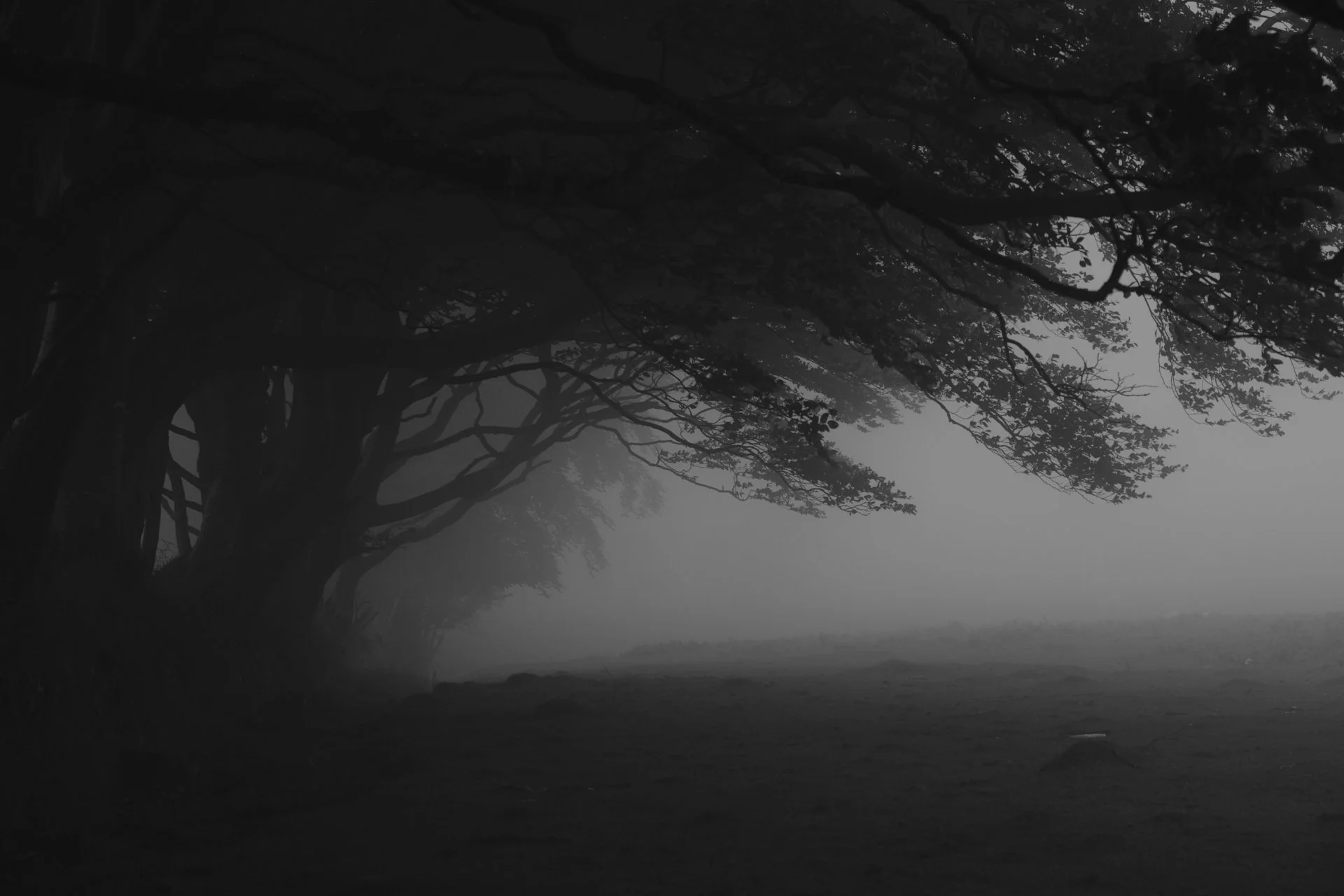
Princetown, Dystopia. 2025
Photography is all about storytelling. Since the birth of the medium it has been used as an alternative to writing and text to great success, now becoming the primary method of depicting a plot. However it’s important to know when to blend from fiction and non-fiction, as is the same with traditional storybooks.
Documentary photography captures real-life events, people, and environments to create a truthful and lasting record of history. Unlike staged photography, it focuses on authenticity and observation to document ongoing issues or everyday life without manipulation, with the intent to raise awareness, inspire empathy, and preserve reality. It often uses a series of images to build a narrative around an ongoing issue or a subject's life with this observational approach relying on witnessing and documenting events rather than orchestrating them. Early documentary photography photography documented events such as the Crimean and Civil Wars before turning its focus towards people in the late 19th Century.
Landscape photography focuses on capturing outdoor scenes, which can include natural elements like mountains and oceans, or man-made structures within a landscape. The main elements for a good landscape photo are compelling light, a clear main subject, and thoughtful composition, which often includes leading lines and foreground elements to add depth.
I like to think that my photography is a mix of both. I’m a creative that works in the landscape rather than identifying myself as a landscape specific photographer, navigating Dartmoor with a mindset that this is my office rather than being in the confines of a studio. However, the documentary element is of the landscape itself. Dartmoor’s landscape is radically changing and has changed with it being used as a military training area over the decades. Although the narrative is fictional, the landscape itself exists in real time and the documentation of it should be accurate as that is what the project requires. The use of a Fujifilm Black & White filter could serve an argument as to why it shouldn’t be classified as documentary photography but it is a depiction of a real place and the images in years to come can be looked back on as a moment in time at this location.
