The Power In Not Knowing
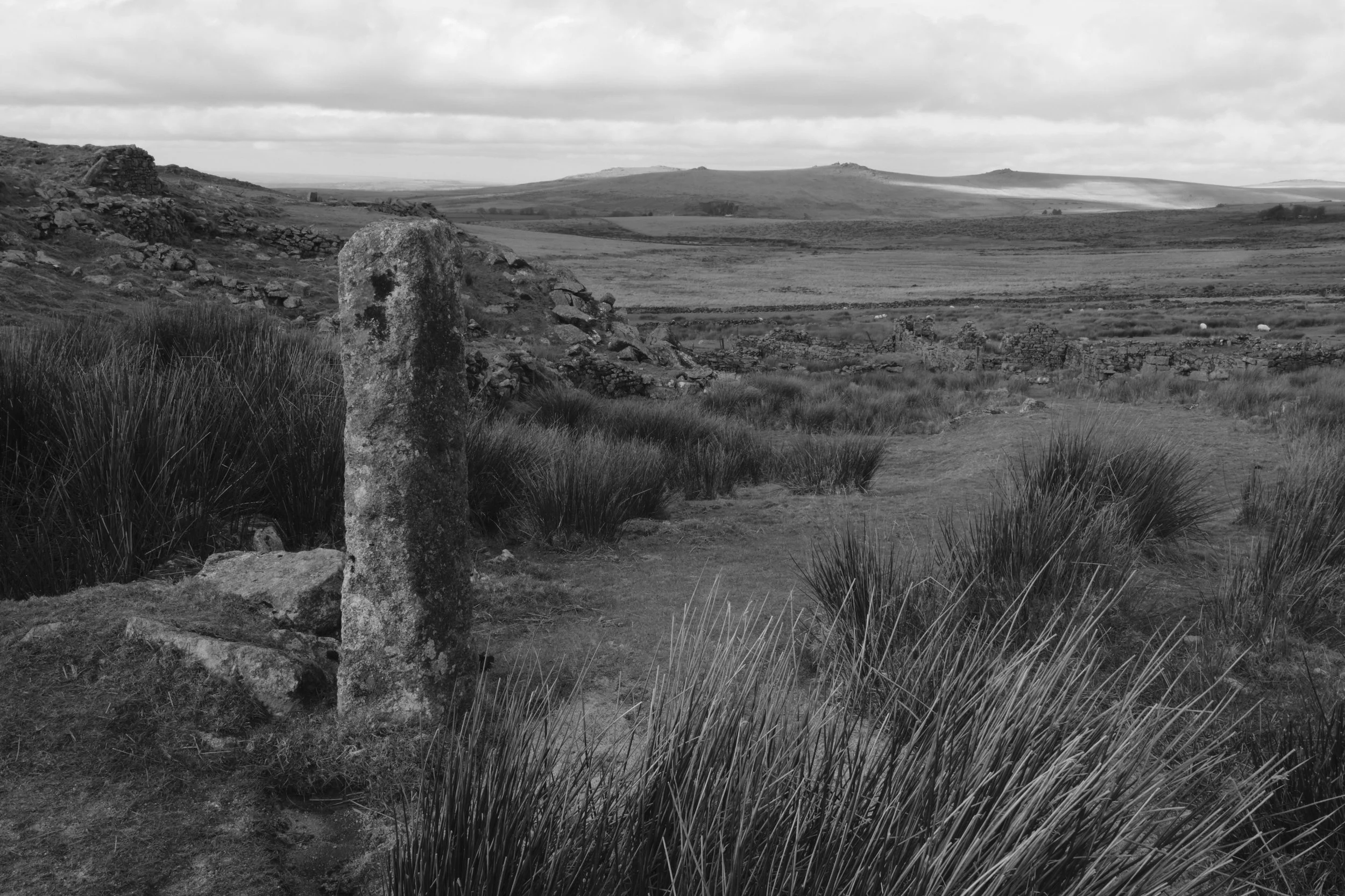
Foggintor Quarry, Dystopia. 2025
Not knowing what to do can sometimes feel like a burden. Wandering into a situation can be viewed as bumbling in with no plan. Elizabeth Fisher and Rebecca Fortnum argue otherwise in their publication On Not Knowing How Artists Think.
They argue that knowing, in photographic terms, can limit creativity. Having a plan can feel like you have to stick to it, being stubborn when it comes to diverting away from the original plan. There is no guarantee of completing a project without a plan but there is more leeway for spontaneity with reactionary photography, especially on location where external factors to a plan such as emotion and conditions come into play. They say that not knowing opens up the potential to learn and gain new knowledge better than theoretical based research can - we can never know everything and the pursuit of knowledge will always be ongoing. Is our constant need for knowledge necessary though or can things be left open to interpretation?
I am of the belief that art should start debate rather than answer questions. It should be left open to interpretation and make the audience engage with it in unique thought and perspective. When you follow a plan, you are answering questions and are limiting yourself. That’s why it’s of the utmost importance to preserve the right to play and experiment. I shouldn’t have to plan in extensive detail what I’m going to photograph or why I need to do particular things on location as this puts too much pressure on me. I should relax and reconnect with the world around me in relation to the emotion I feel. Deliberate rebellion to planning is a form of not knowing as going against the rules enters us into the realms of the unknown and if we do get lost then it helps us find things we can use that we’d never be aware of if we weren’t lost in the first place.
