Why Should I Conform To Post-Production When I Can Create An Imagined World In The Real World?!
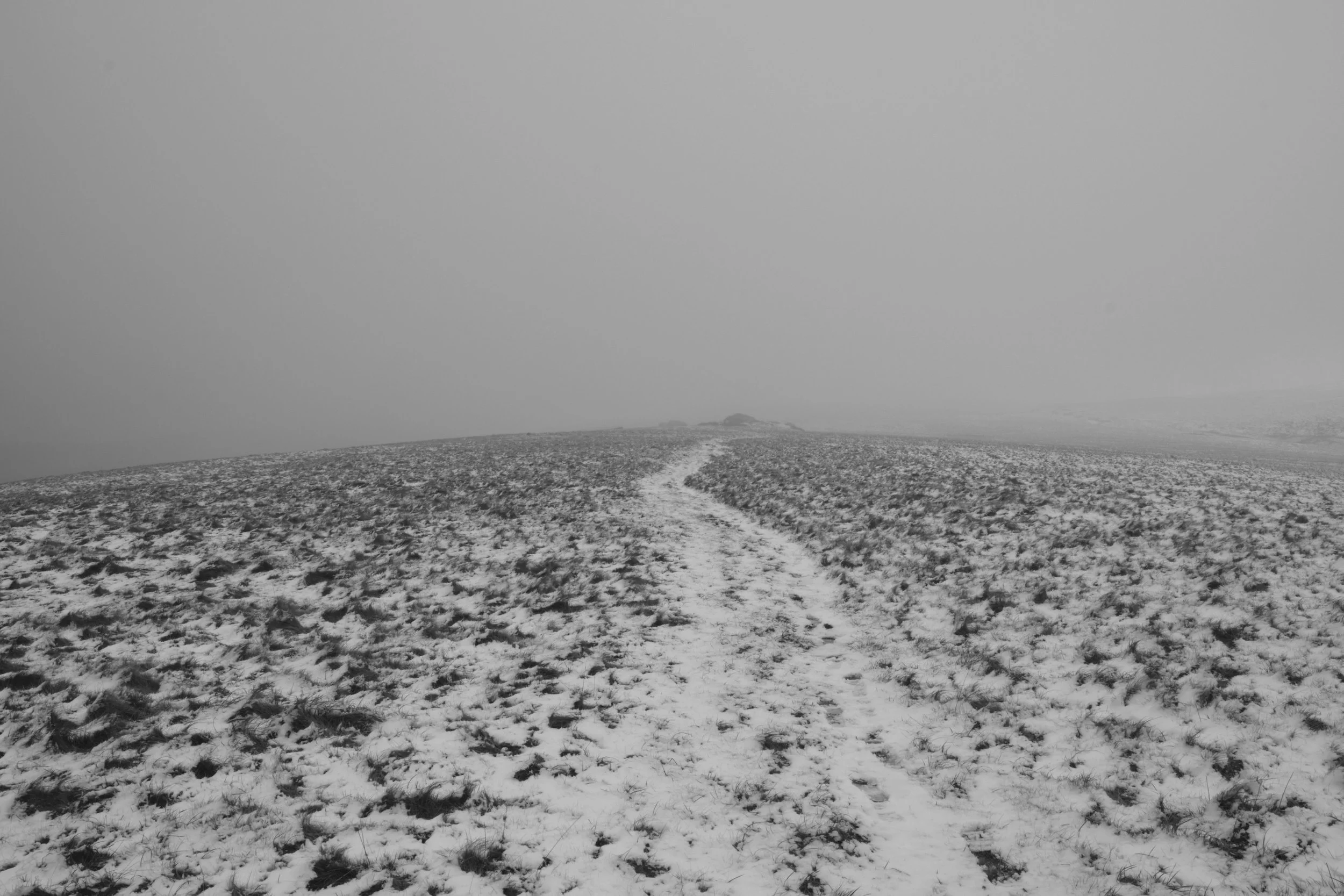
Yes Tor, Dystopia. (2025)
I’ve been against heavy post-production ever since my days studying Commercial Photography at Bachelors level. Manipulation can lead to misrepresentation which is incredibly dangerous as a photographer. It can ruin your reputation, it can present an argument as something it isn’t and it can alienate people. Most importantly though it isn’t true to what you see with your very own eyes.
Now before you say “that’s all well and good but all your photos from Dystopia are in Black and White” - fine. I get your argument and I take it on board. The key word here is POST Production. The only adjustment I make when doing my photography is taking advantage of a Fujifilm B+W Clarity Filter in-camera and the only role Capture One (sorry Adobe, it’s just better) plays in my process is converting my RAW file to a JPEG file. There is no enhancement of any of my images post-shoot. It might not sound like much but it’s of huge importance to me.
That makes convincing you as an audience that Dystopia is an imagined world just a little bit harder because heavy post-production could clearly illustrate this fact. What I’ve tried to hone in on is that, even though this world is imagined, it’s not out of the realms of being impossible. People with long-term melancholy like myself may see the natural world similarly to this already and it is merely a reflection of the anxious mind unravelling.
Whenever I propose this argument, I always point to Tom Dauben as an example of this philosophy working. Tom is a local photographer who also works on Dartmoor and, like me but to an even further extreme, also doesn’t edit his photos. He doesn’t edit in-camera either so what you see with his work is what you get in real life and he has found incredible success with his photography. And I suppose that’s the precipice of this all really. It’s why we all got into photography in the first place. It’s about being present, chasing an idea, and engaging in the act of physically pressing the shutter rather than sitting in front of a laptop for hours on end editing photos. There can be beauty in simplicity and, when we’re feeling inspired as creatives, photography really doesn’t have to be complicated.
