Dystopia I - A Detailed Evaluation of The First Phase
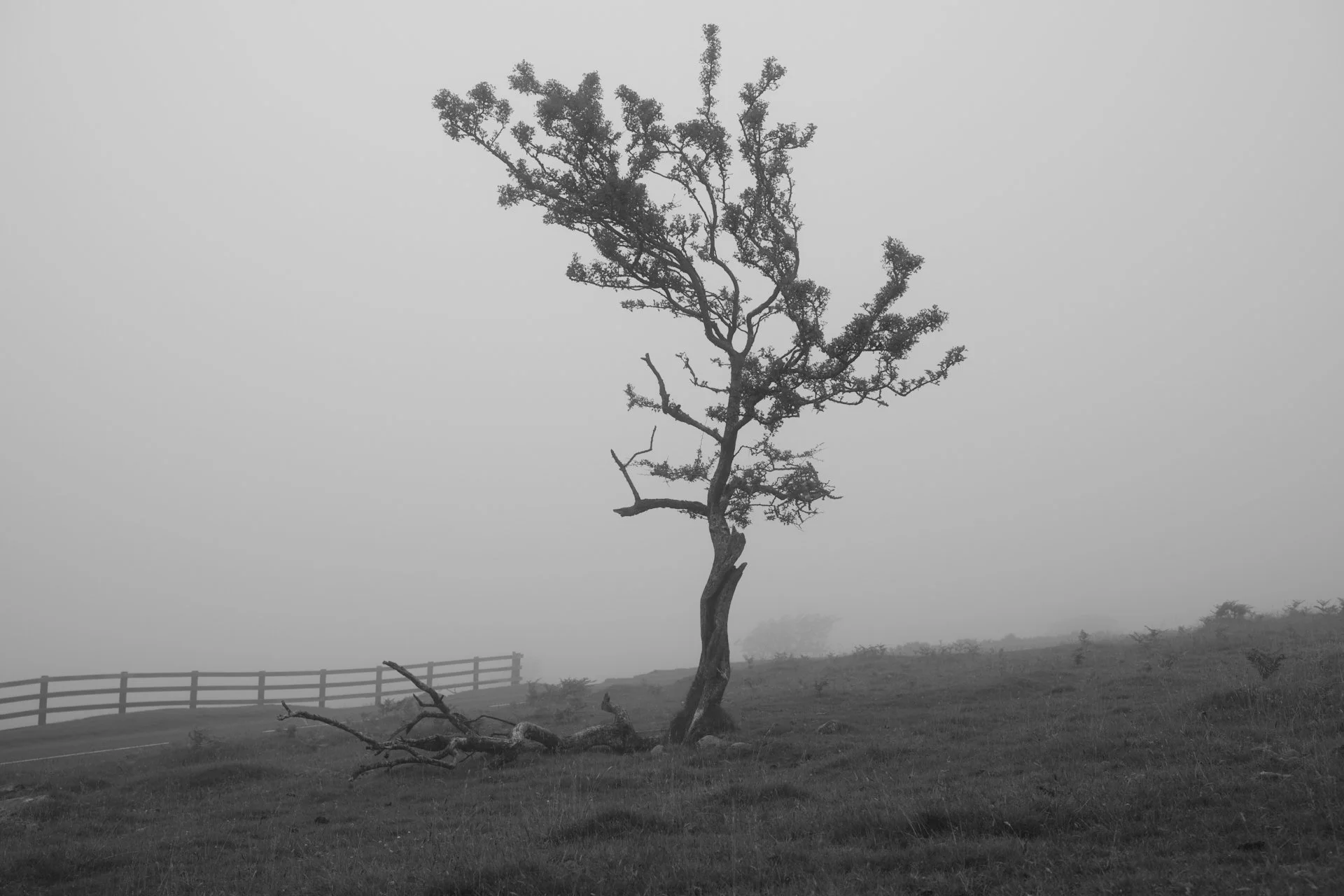
Princetown, Dystopia. 2025
It occurred to me around halfway through my Masters degree that Dystopia was going to take a while to complete. This was a pivotal point where I could either continue to see where the project would take me or give up and change direction to a new project. Luckily, I decided to pursue this avenue as there is so much more to explore in terms of themes and Dartmoor as an environment. However, by the end of the degree, I was stacked with so much content that final selection for an eventual photobook seemed like the wrong way to go in fear of the book stagnating and the content becoming repetitive. That is why I have decided to split the project in three (creatively naming them I, II and III!). Now that I have come to the end of Phase 1, I have decided to evaluate my visits to Dartmoor from notes I made at the time of production and what came of them in a single journal entry as a documentation of progress so far. You’ll see the shift in my notes as the project progresses from the technicalities of photography to the emphasis shifting on the narrative of the Dystopia I’ve created.
1. Photowalk with Robert Darch
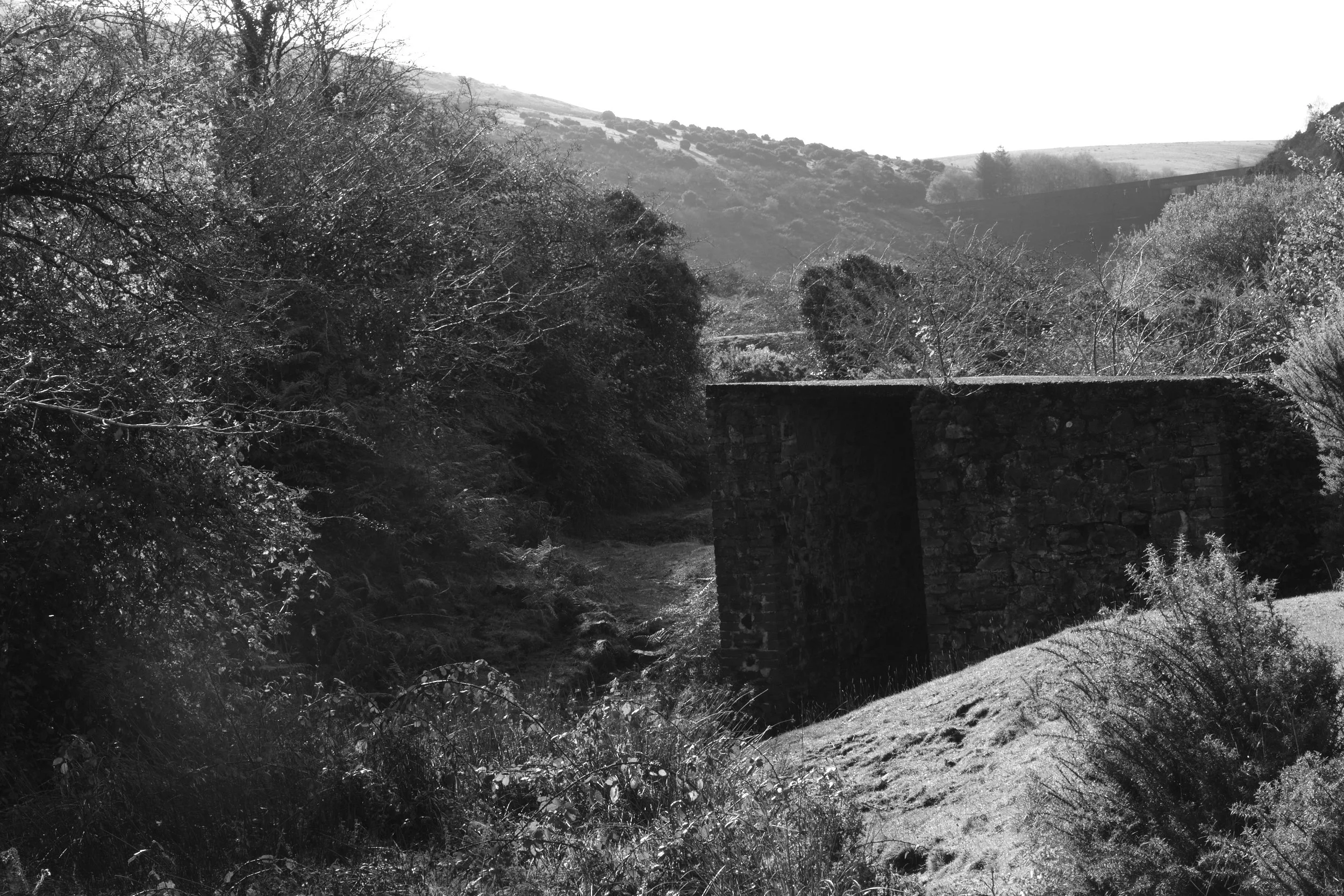
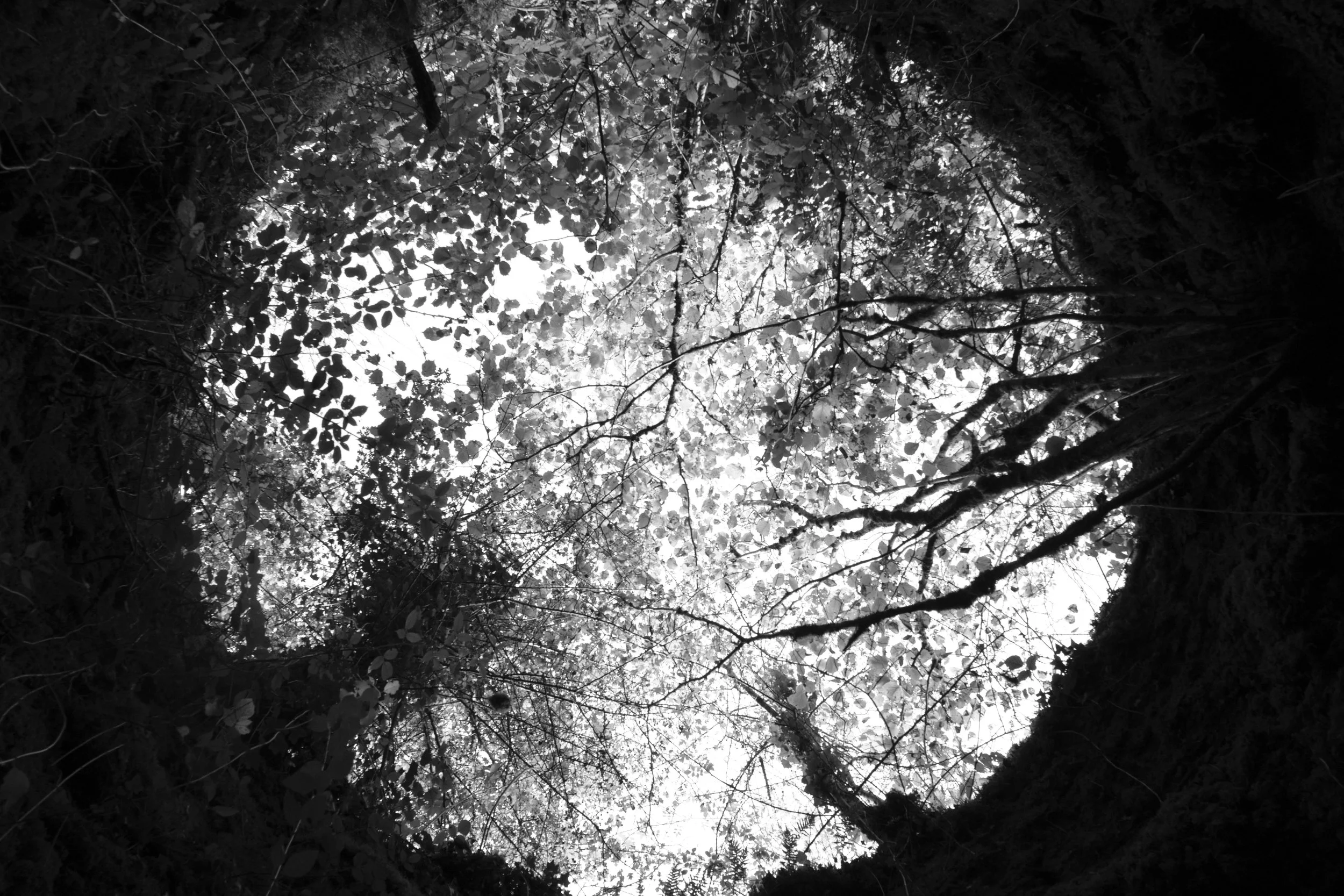
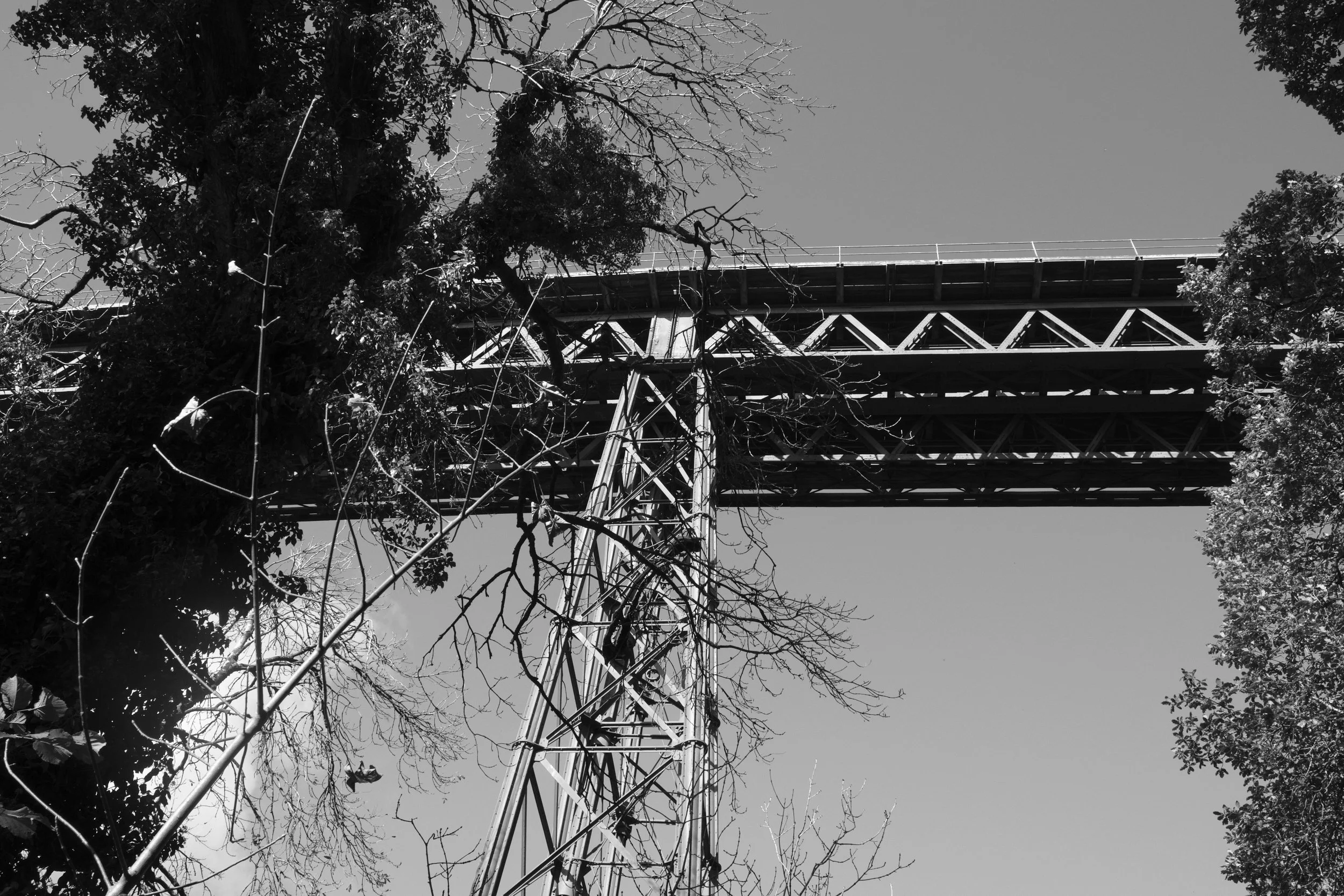
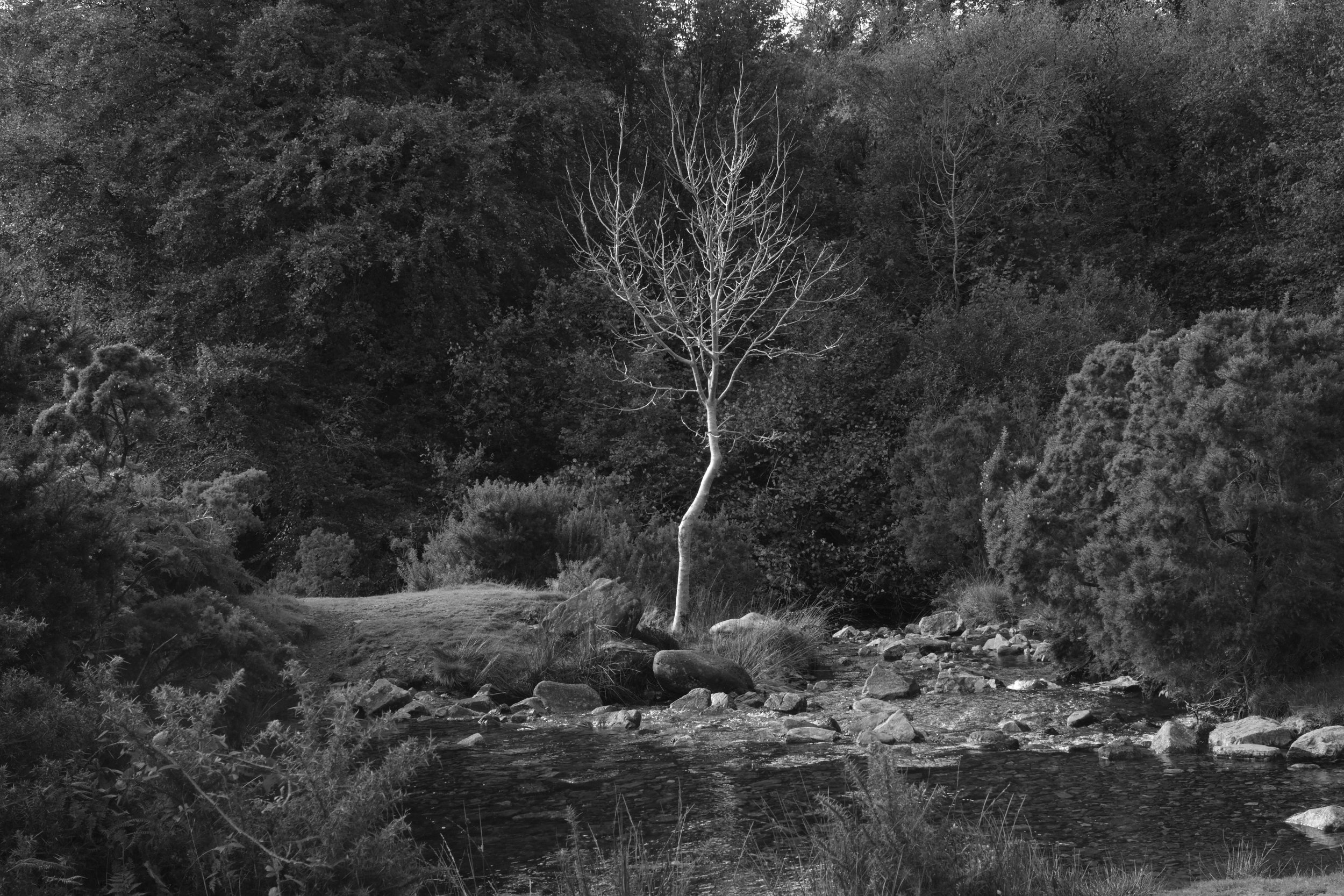
I managed to join Robert Darch as part of a group photo walk to test the viability of the project I was planning. He suggested that I need to nail down world-building through landscape photography by looking for key points that stand out from the scene and work around them to construct my images. Following this discussion I abandoned shooting large landscapes which I was focusing on at the start of the walk and turned my attention towards looking for elements in the environment to focus on building the rest of the landscape around.
He was also keen to emphasise to enter an environment without too much prior planning. Spontaneity is better for narrative building and this form of landscape photography because plans can be very restrictive in terms of your creative headspace so he suggested that the planning should only really extend to selecting a location, then play and experiment when I get to said location. It allows me to connect as a creative and as a human being with the world around me rather than being focused on what I’ve researched online.
My main conclusion from the walk was to shoot the project in black and white. Despite working with purely colour photography to this point in my career, it seemed appropriate to the narrative to take this approach because of the link to my experience with anxiety. Many who struggle with mental health illnesses such as this can only operate with “black and white thinking” where the only sense they can make of any given situation can only be good or bad with no in-between. That in itself established a narrative for the world I would build as without any colour or vibrancy it would imply that the world is seen as a place where the negatives highly outweigh the positives.
2. Early Morning at Brentor Church
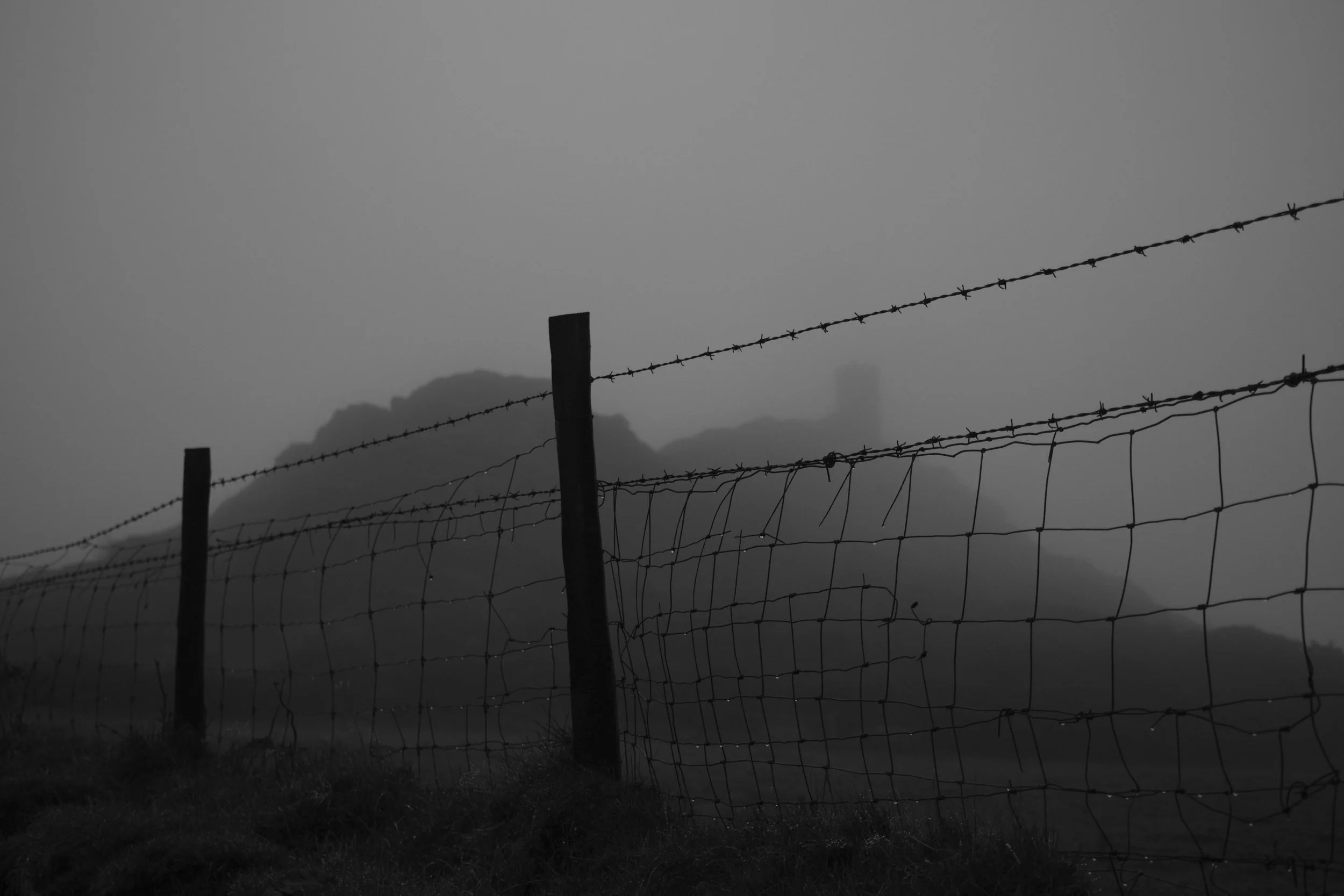
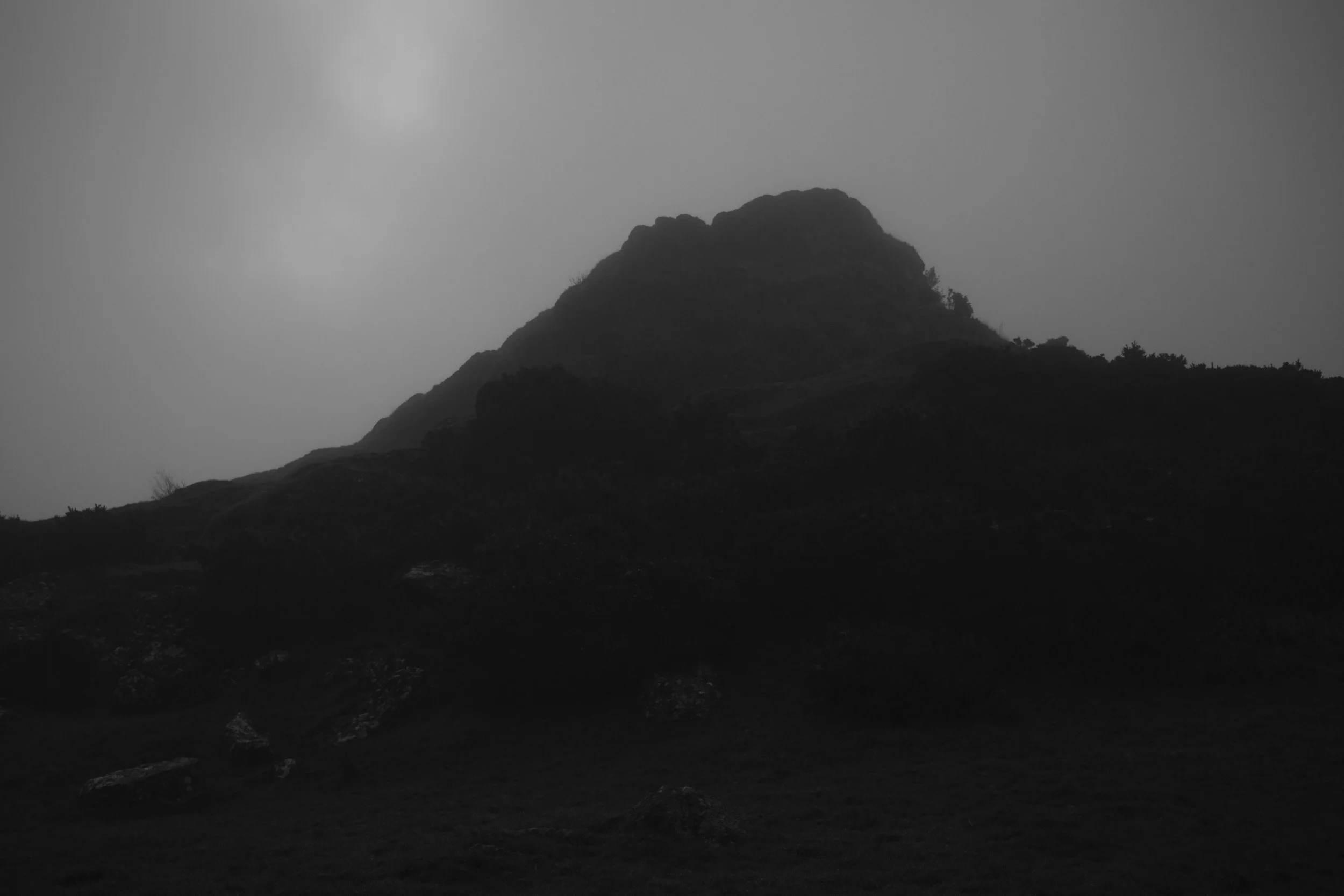
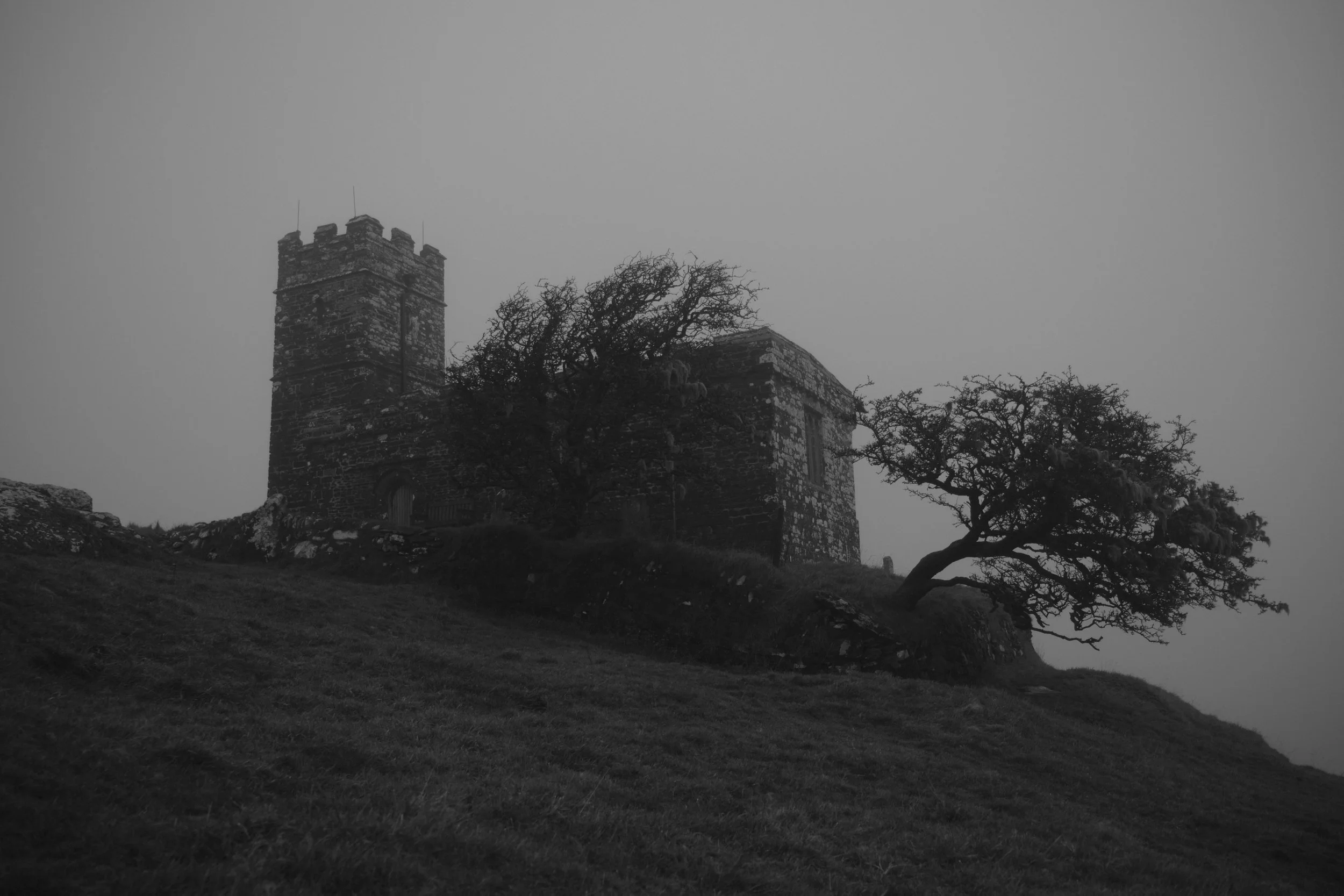
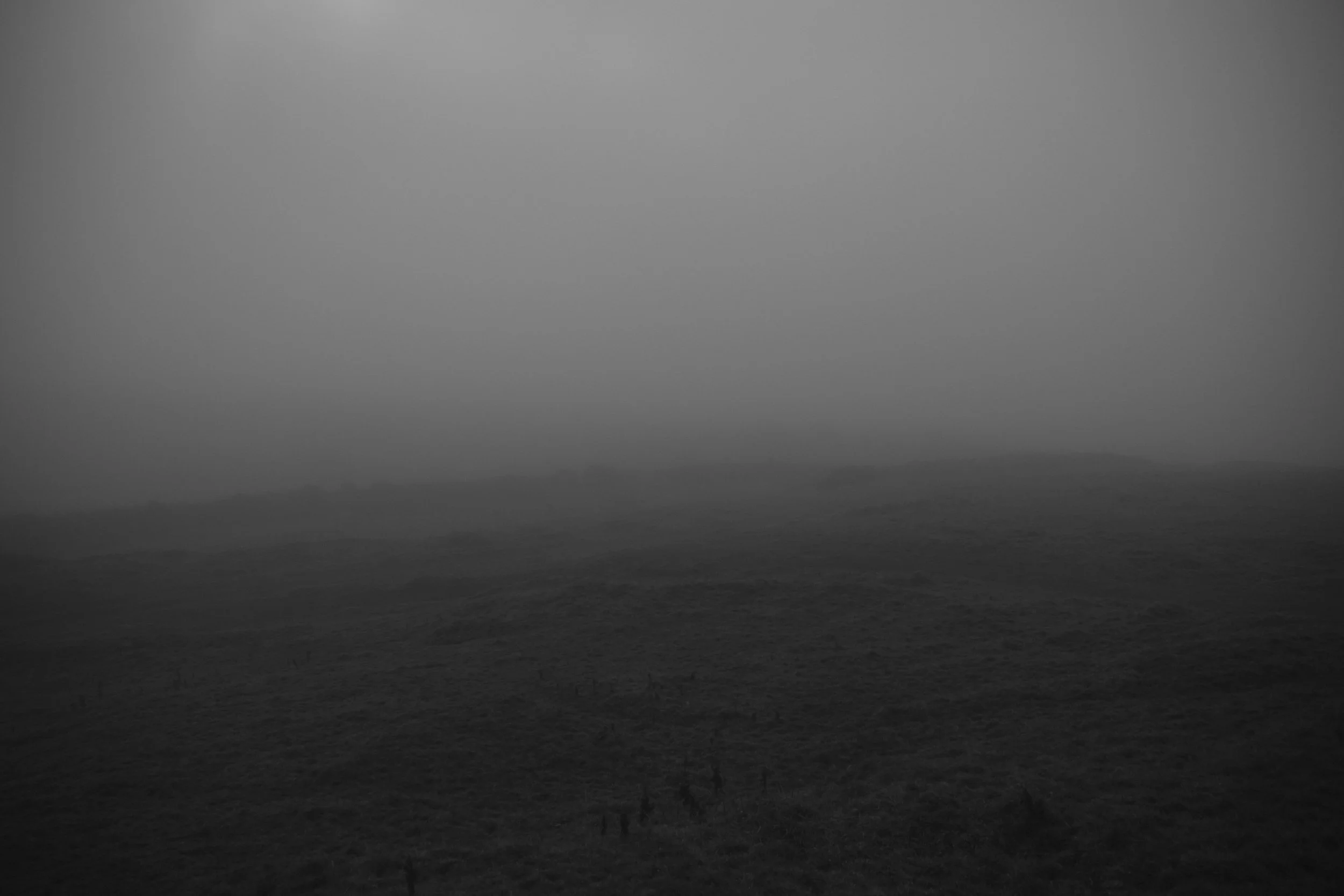
I arrived for this walk at 7am and followed the short 10 minute path to shoot St. Michael de Rupe Church at the top of the tor in misty conditions. The outcome was a feeling of destitution and darkness thanks to the low light and conditions, the church abandoned by humanity to the elements. Working completely alone when I was so used to being in a studio with a team of people truly gave me the feeling of isolation, helped by the size of Dartmoor as a location. This had the interesting effect of unnerving me as I was left alone with just my thoughts to accompany me, which weren’t very positive at all at the time due to external circumstances, but I was also filled with a sense of relief. I had space to connect with myself as a photographer and create without a plan, something that felt exciting as well as scary.
The atmosphere of a dystopia that I was hoping to capture by going early was executed well given it was a first attempt. The conditions and time of day were the main contributors to this as the overcast conditions blocked any light attempting to peer through and the mist from being above ground level provided the ambience. This helped me to expand beyond the obvious point of interest (the church) and look around the rest of the landscape to create my own version of a narrative. There is sometimes more to be told about a setting where there is nothing, especially in a world I’m trying to portray as massive and endless.
3. Powder Mills

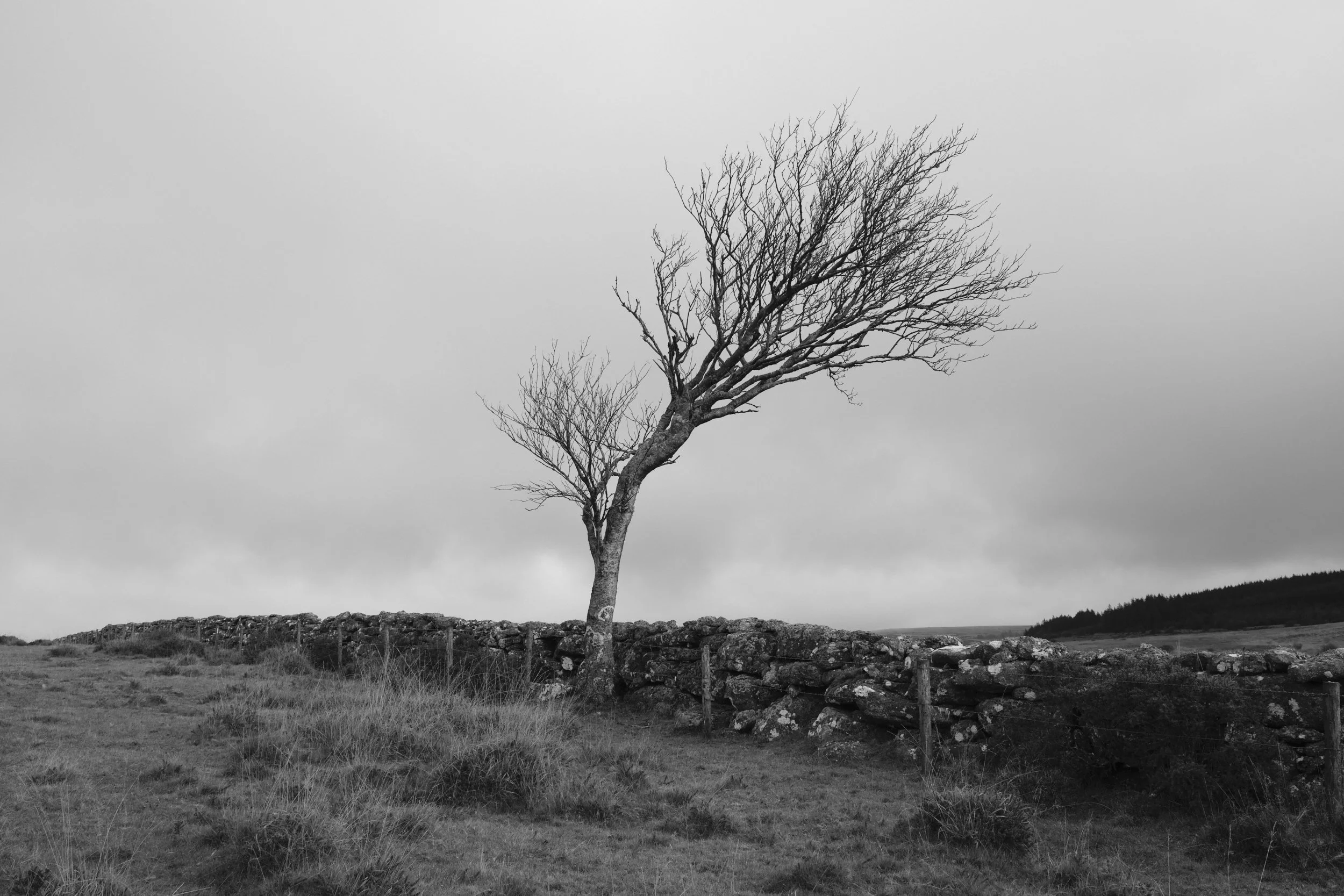
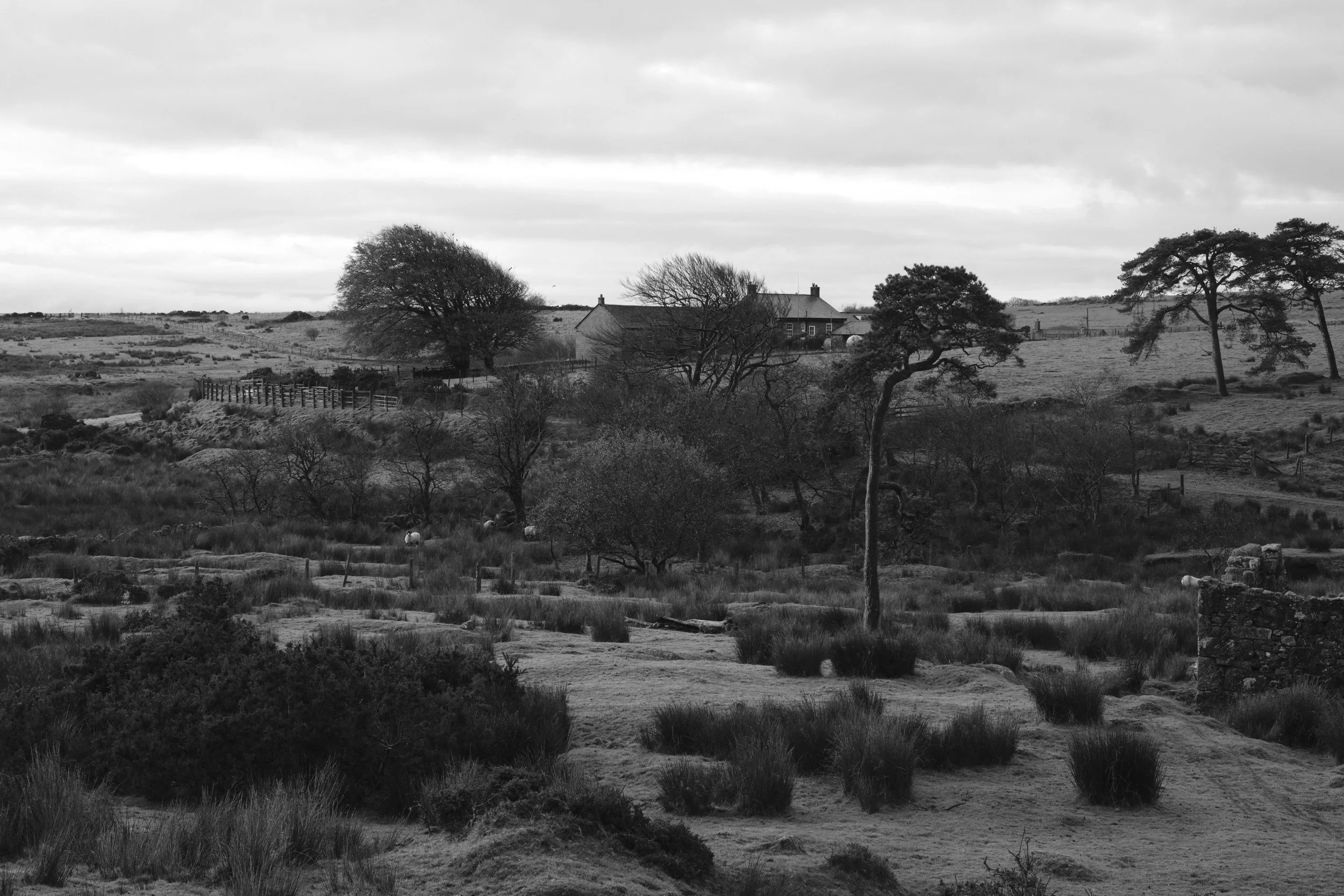
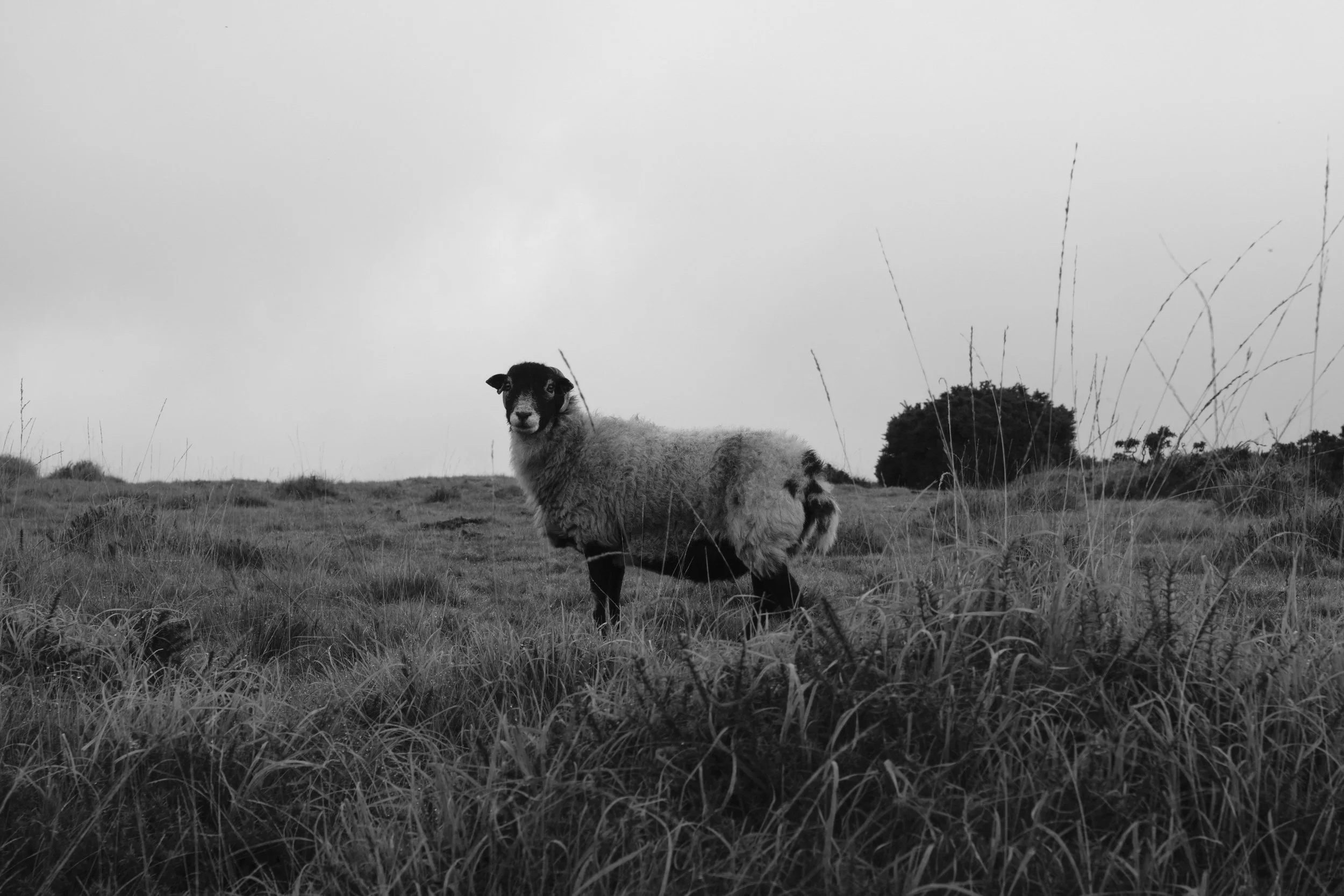
This shoot took place on Arch Tor, otherwise known as Powder Mills due to its former association with gunpowder in the 1800s. I once again shot alone which was a depressing feeling given how small the location was in comparison to the landscapes of Meldon and Brentor. It seemed like I was cut off from the world and if something were to happen then nobody would know or care - exactly what I was wanting the “wanderer” of the dystopia to feel.
I was working later in the day than I was at Brentor which meant I had to compete with more ambient light. I was looking for human interference in the landscape and, when I found this, I tasked myself with trying to isolate it to show the negative impact humanity is having on our natural world. The storytelling aspect is strong because the area is broken up of natural constructions, such as trees and boggy terrain, and manmade interference, such as the gunpowder mill and the chimneys, which made it easier to isolate.
It feels like part of the same world as Brentor despite the tone of the images being completely different which is compliment to the approach I took. It’s shot in a similar style in terms of composition and emphasis on detail with the manmade structures but the shift in light shows how big this world is. If it was shot in similar conditions it may imply that it’s a place that’s easy to navigate and quick to observe.
4. Devil’s Tor
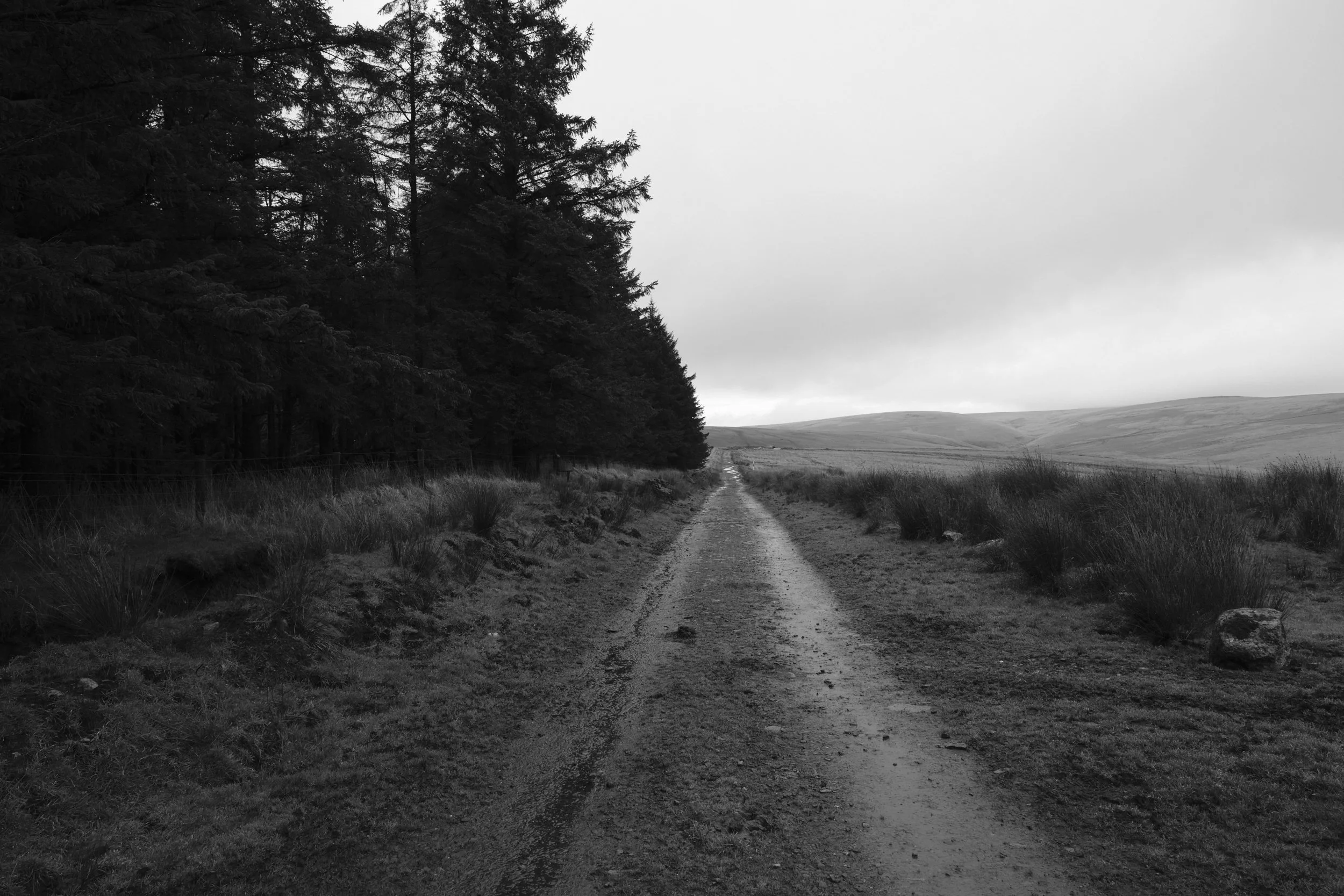
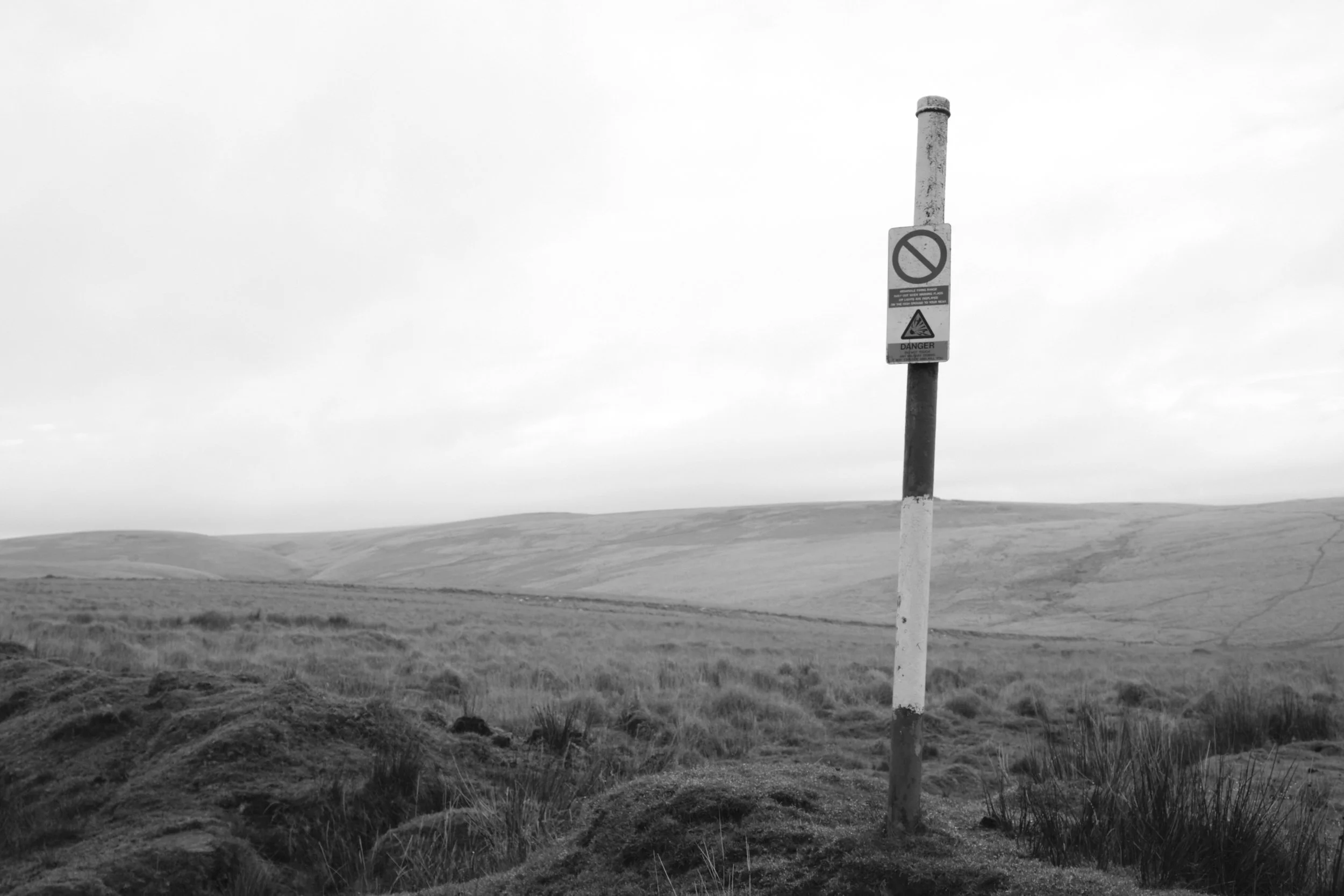
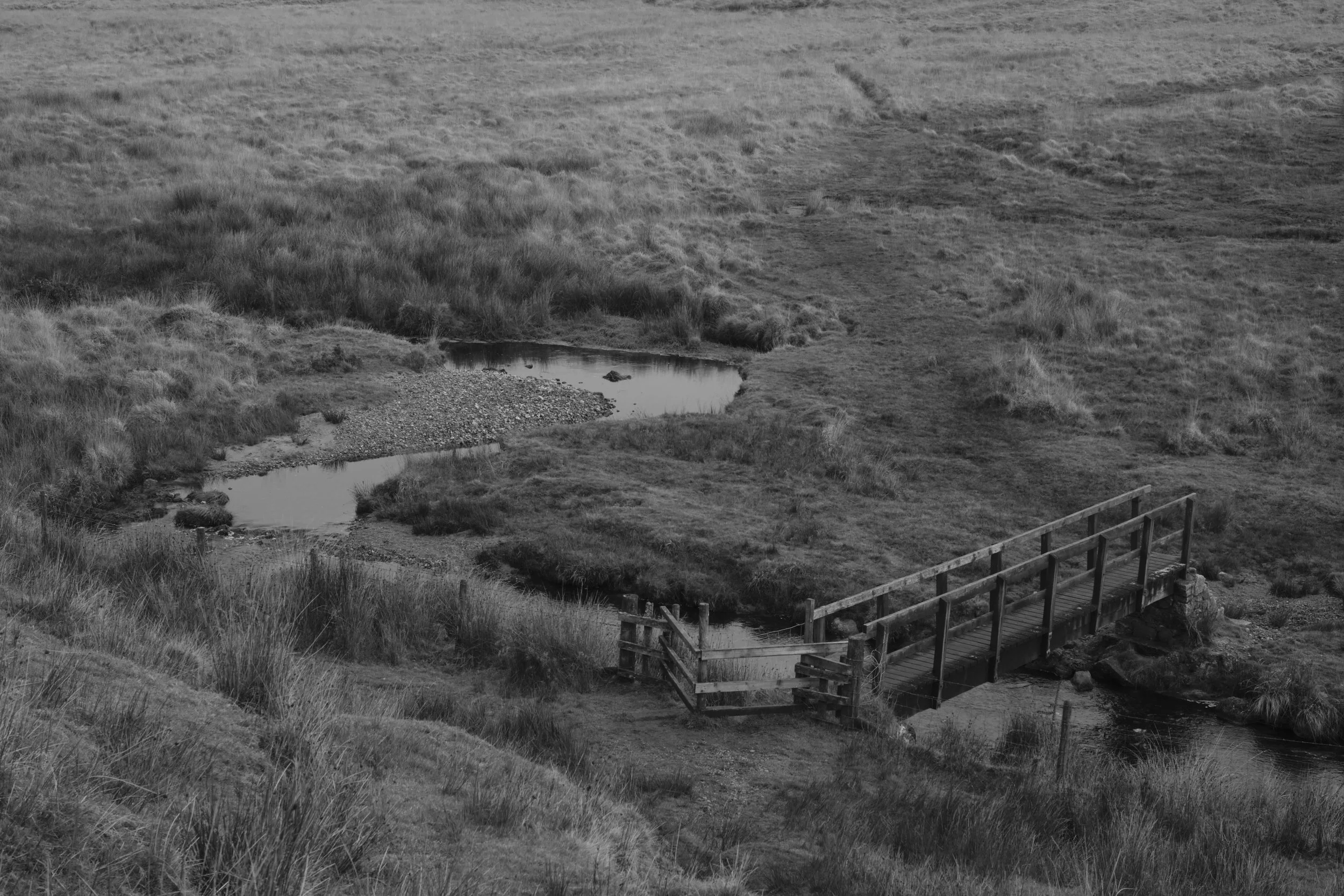
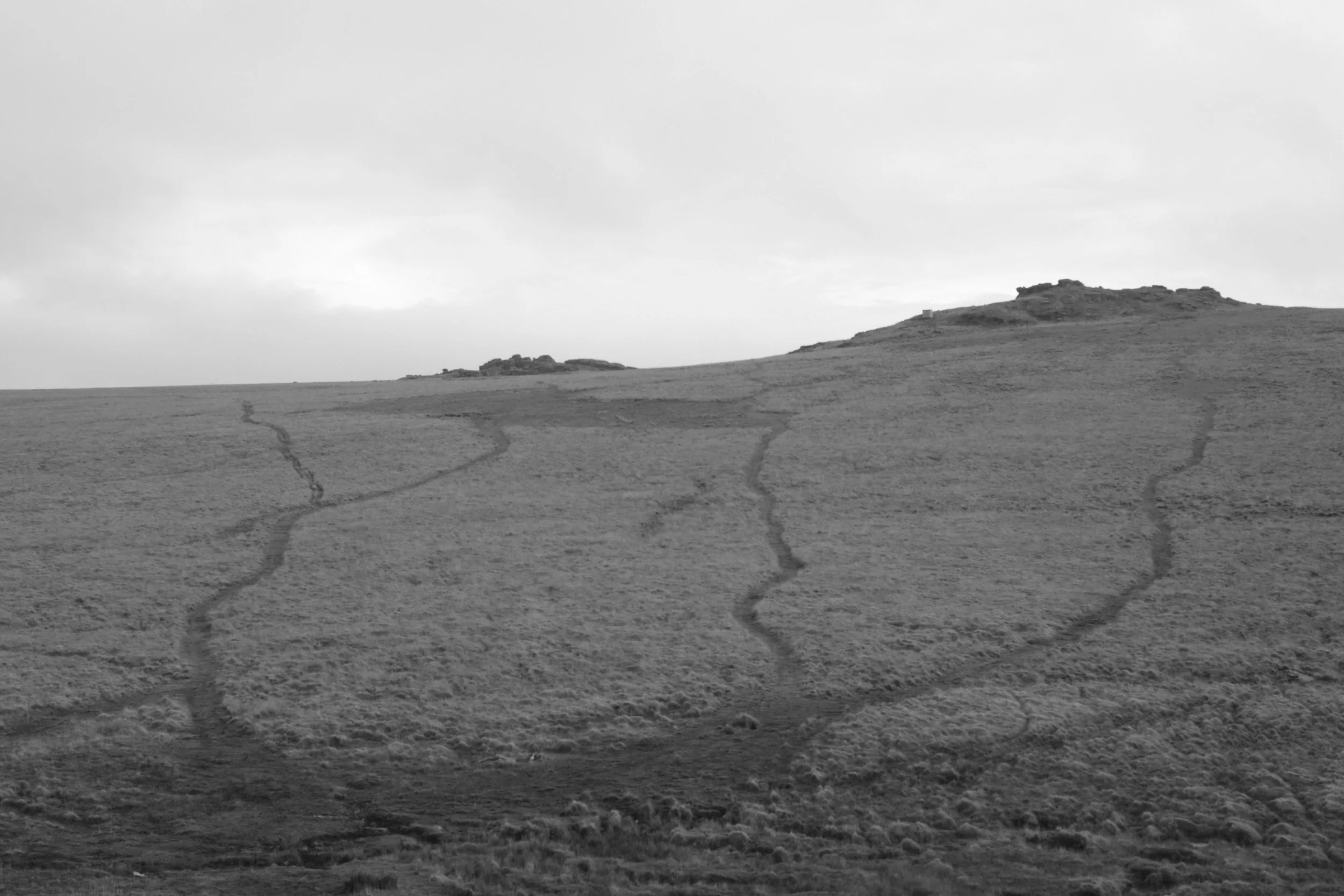
This didn’t take as long as the previous two locations to inaccessibility from the conditions and military operations taking place. I was disappointed that I couldn’t access the Tor itself and this felt like a major setback as I’d identified the Tor in my research for an interesting plinth that could make a great shot. However, the person I was with for this one helped divert me away from these feelings of failure and to make the most of the environment. It shows how reliant we can be on other people when we’re at our lowest as I don’t think these results would’ve come to fruition without that push. In terms of Dystopia, if the person navigating this landscape was alone like I’m trying to establish then what would they do if faced with a challenge such as the landscape presented to them?
The final shots reminded me a little of Paul Hill’s landscapes which feature similar winding lines in the grass. These shots became as much about the enormity of challenge and our surroundings as much as it was meant to be linked to the intricacies of the depressed and anxious mind which I enjoyed discovering about the dystopia. I also had the opportunity to shoot down from a vantage point rather than up or at head height thanks to the landscape, which felt like I was looking to de-beautify the surrounding as if I was unimpressed by it and looking down on an environment with extreme natural beauty.
5. Haytor
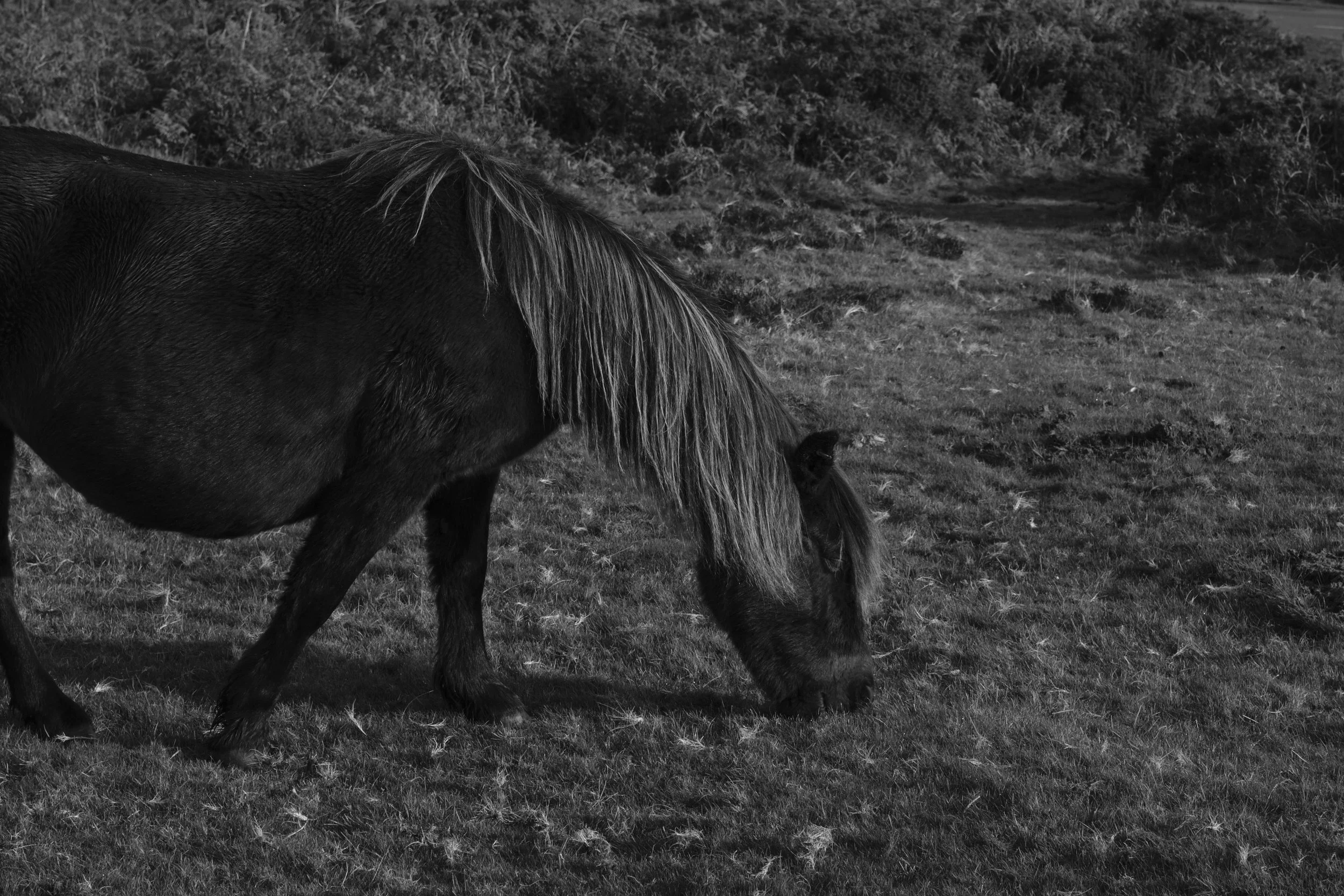
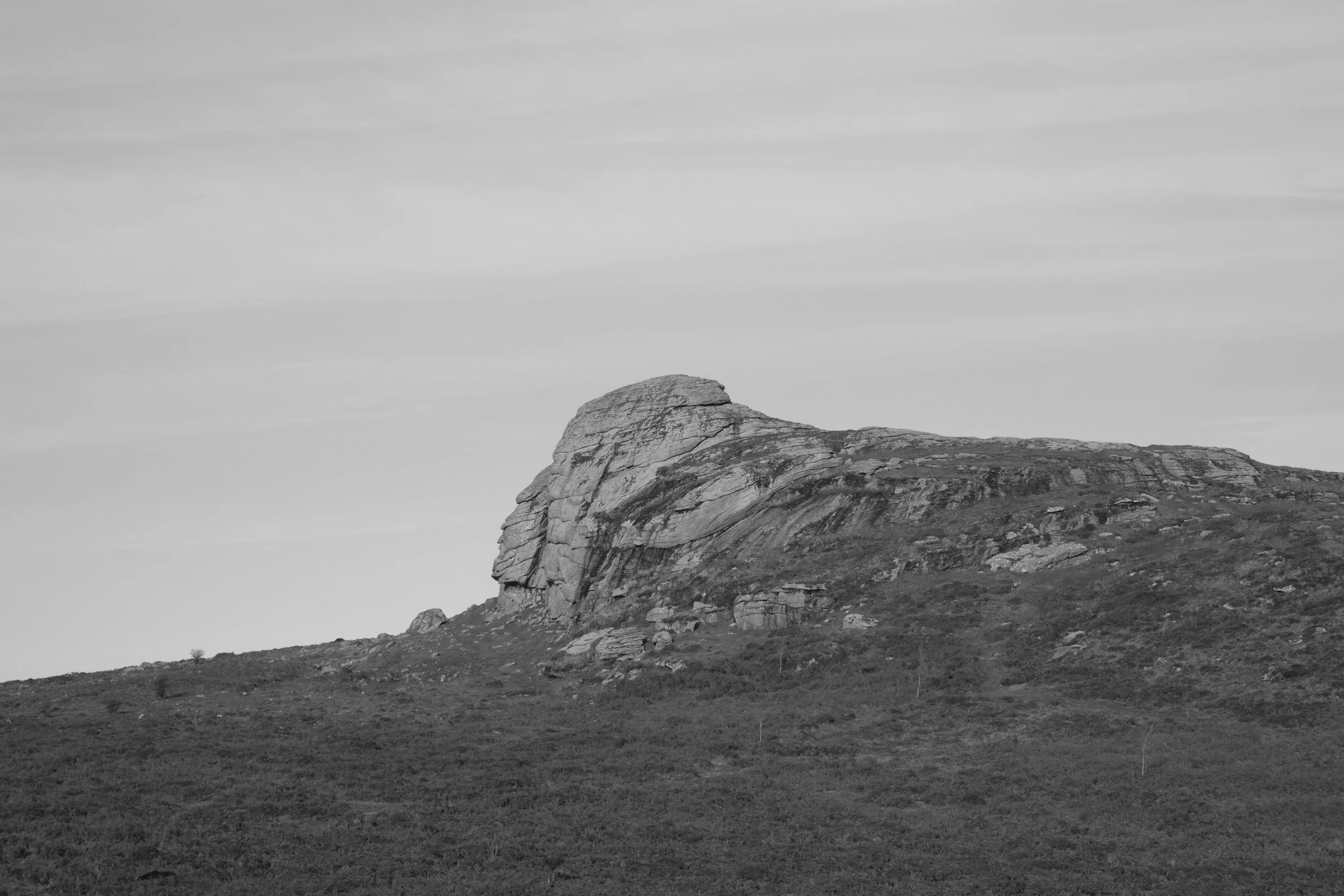
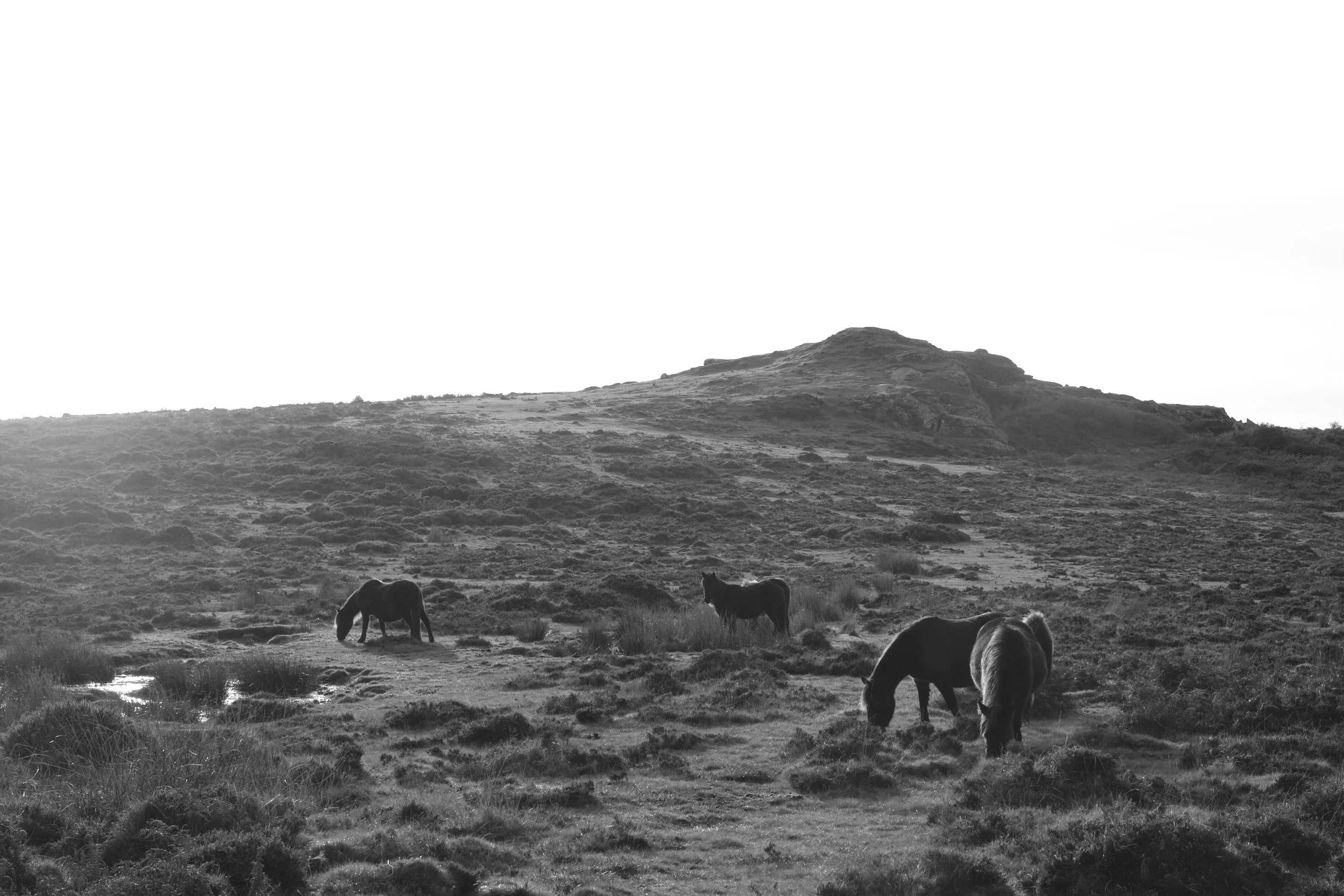
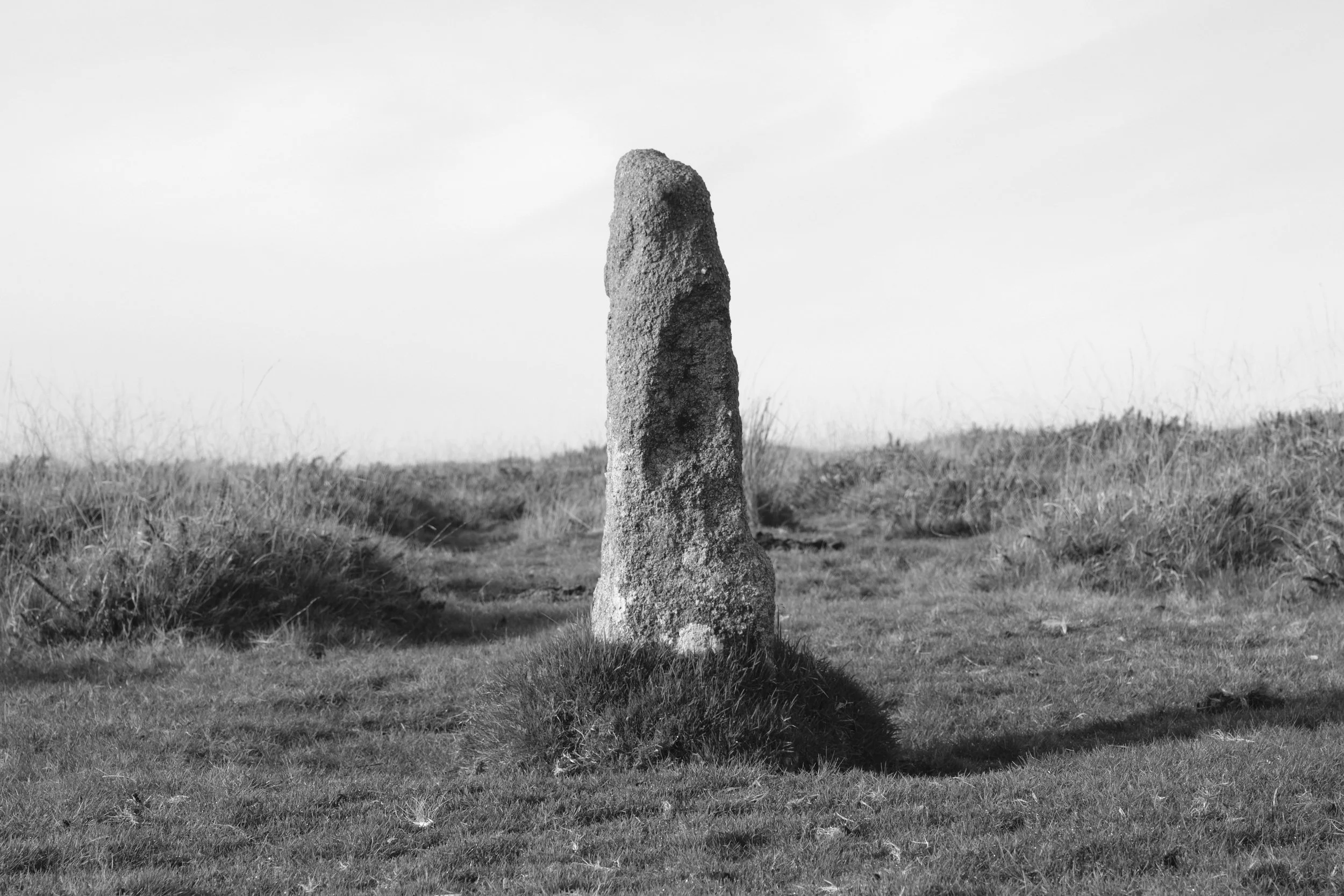
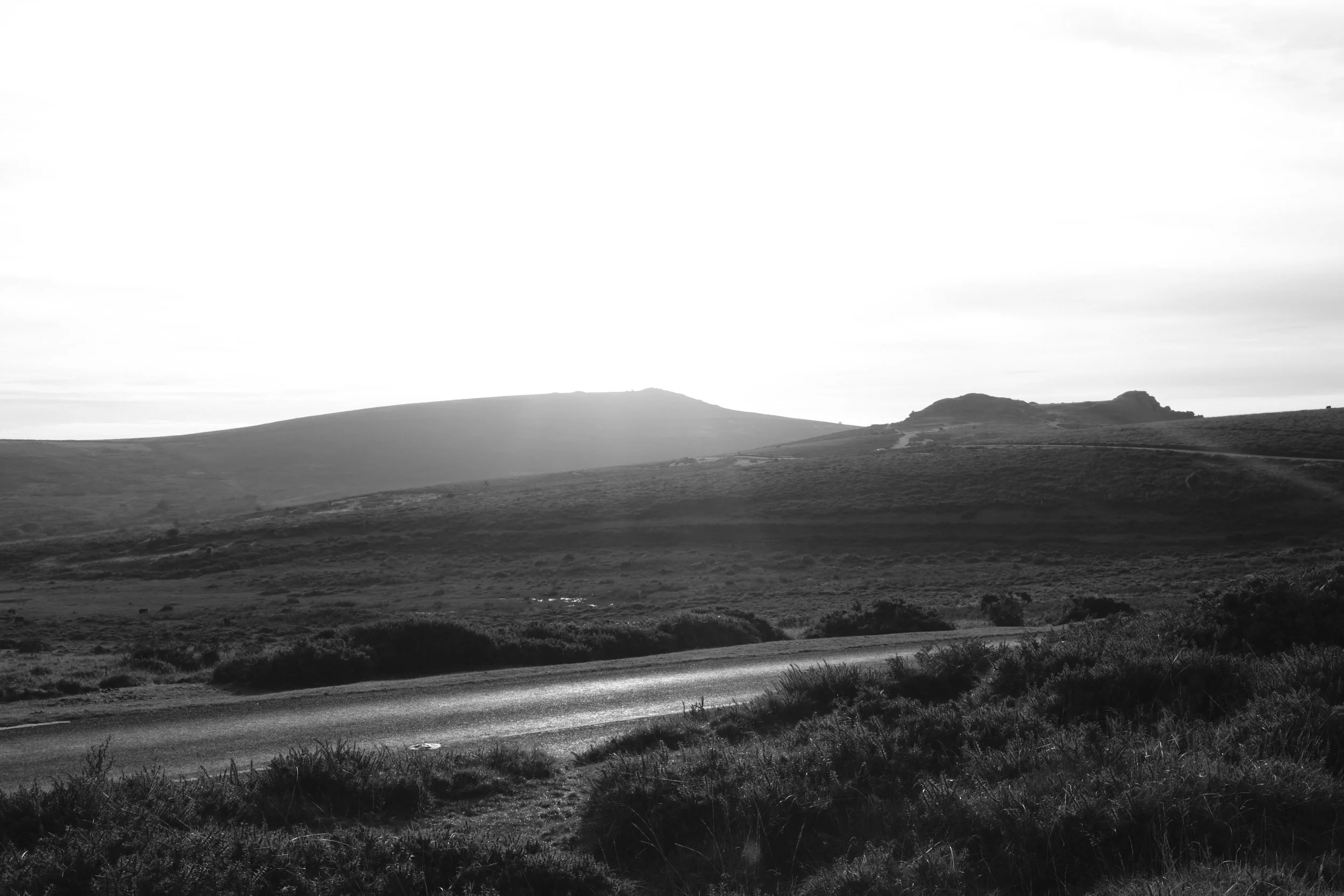
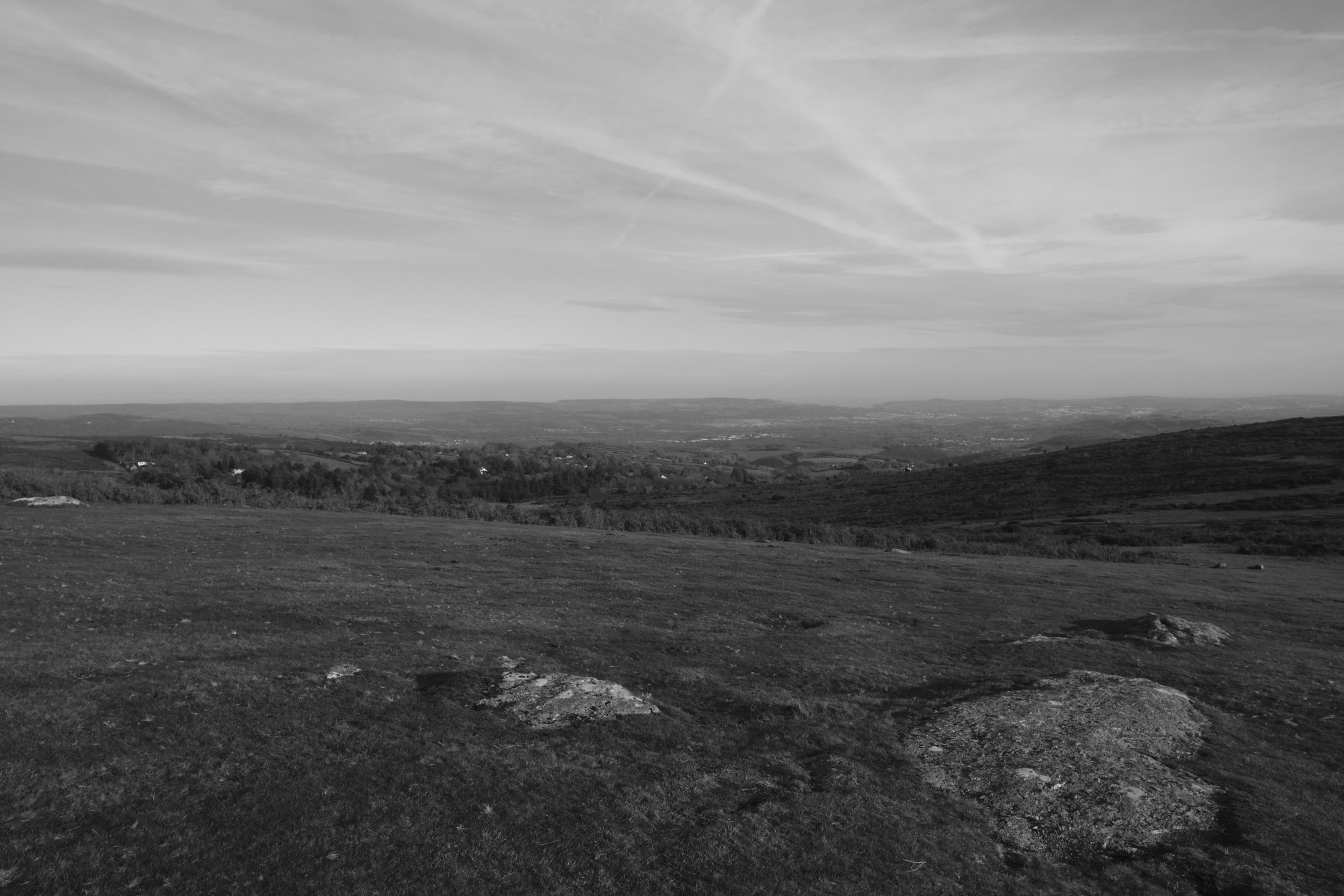
There are multiple reports of Haytor being a hotspot for Dartmoor ponies so I decided to try to introduce some form of life into the series. This is the first time I’ve felt completely content at a location since the project started and this is reflective in the photography, knowing I wasn’t alone in the presence of stunning animals and a gorgeous landscape. The area was quite busy which was to be expected given its ease of access but I was keen to continue the trend of no people in the work because my selected narrative is the “wanderer” behind the camera is humanity’s sole survivor searching the landscape for some kind of retribution. Shooting under the main rock isolated me from the people there and made me feel like I was in a world with just me and the ponies.
Featuring the ponies translated that the implied downfall of humanity was actually a positive for the world. It’s a representation of the world claiming back the land from the destruction we as a species have caused, the only reminder being an empty road as the land grows around it. The idea is to make us step back and consider how much of a problem we are to the world. Are we at the point in our existence where our species deserves destruction? It’s a notion I was questioning in relation to myself with my mental health at the time of shooting - do I deserve to die for everything I blame myself for?
6. North Hessary Tor
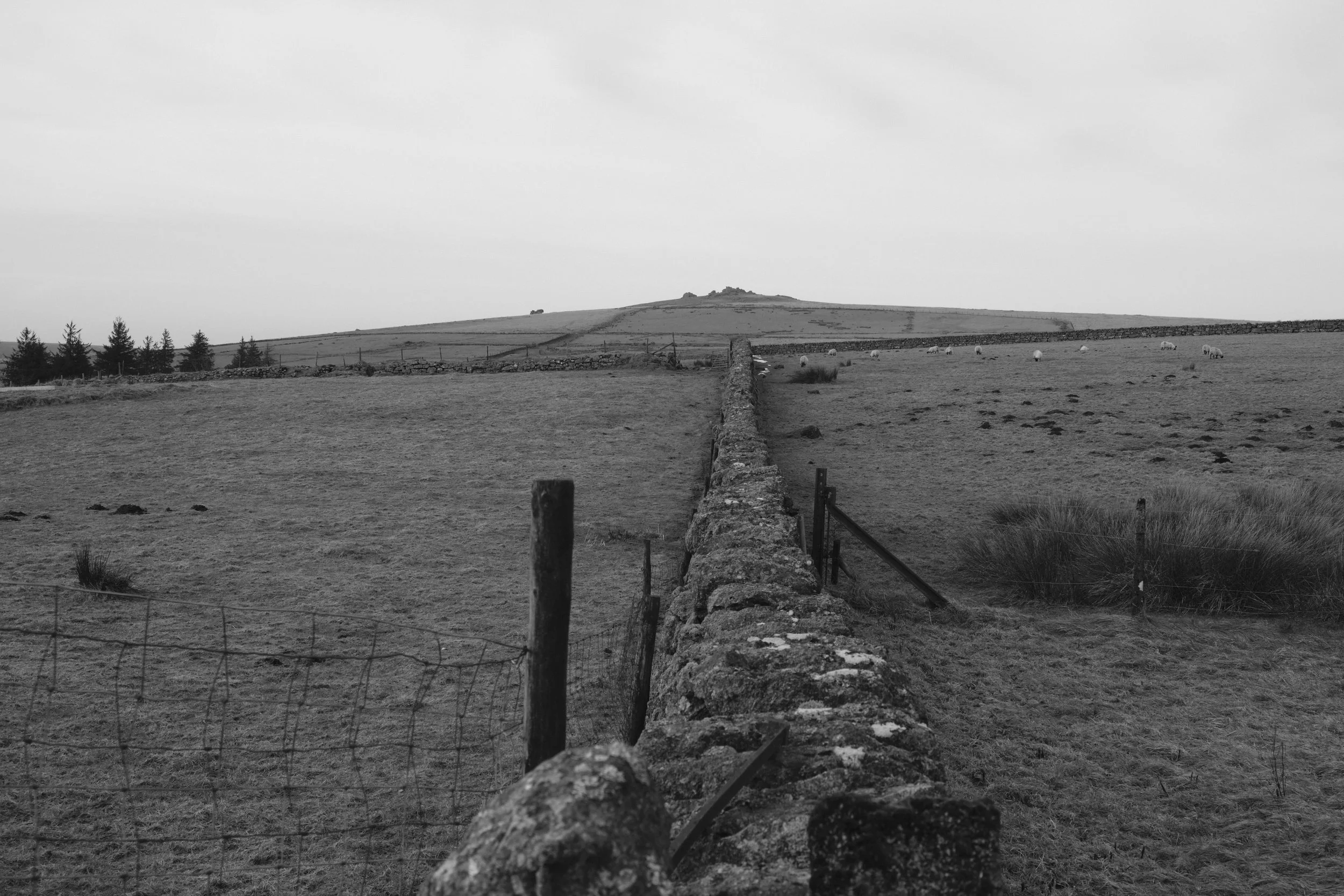
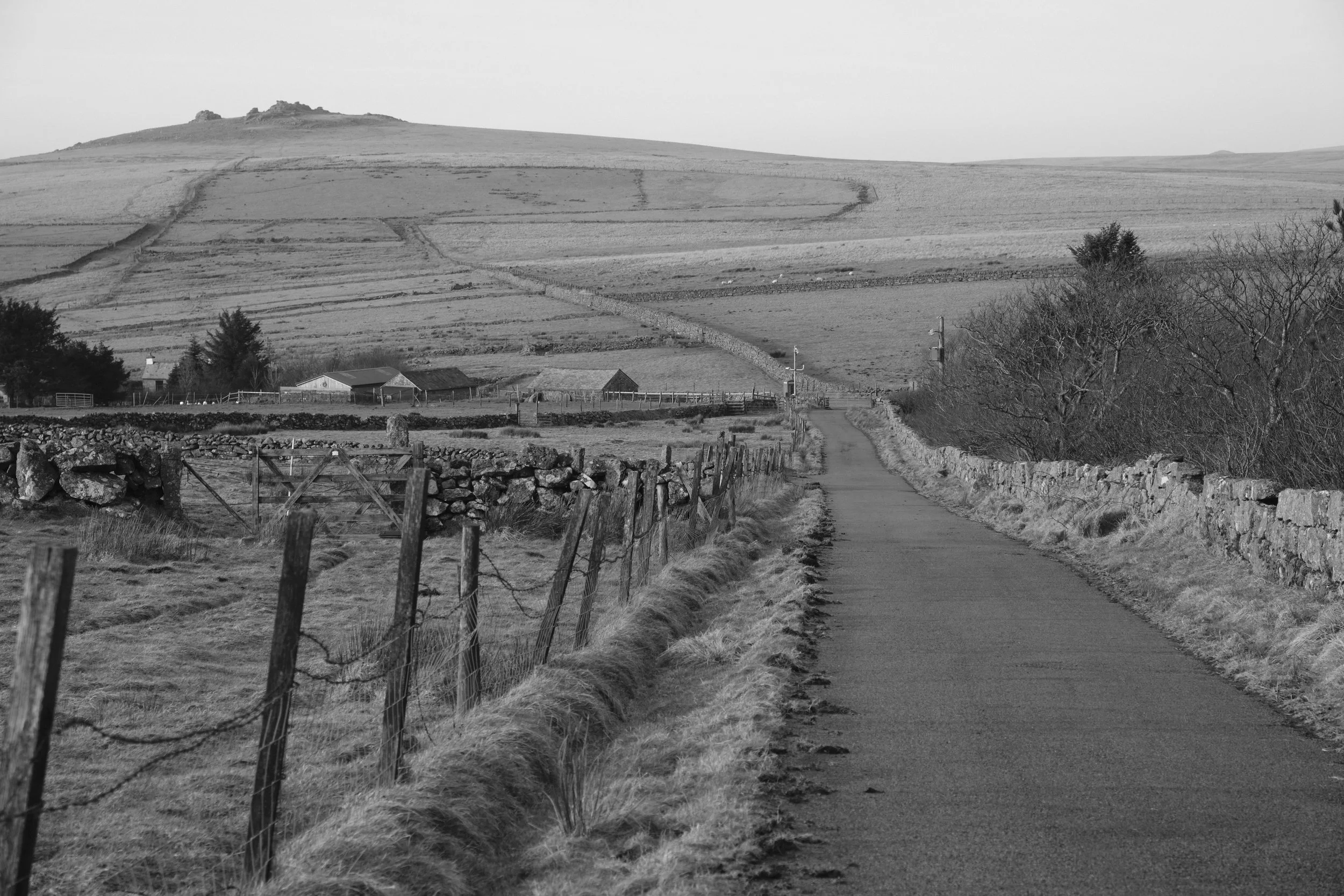
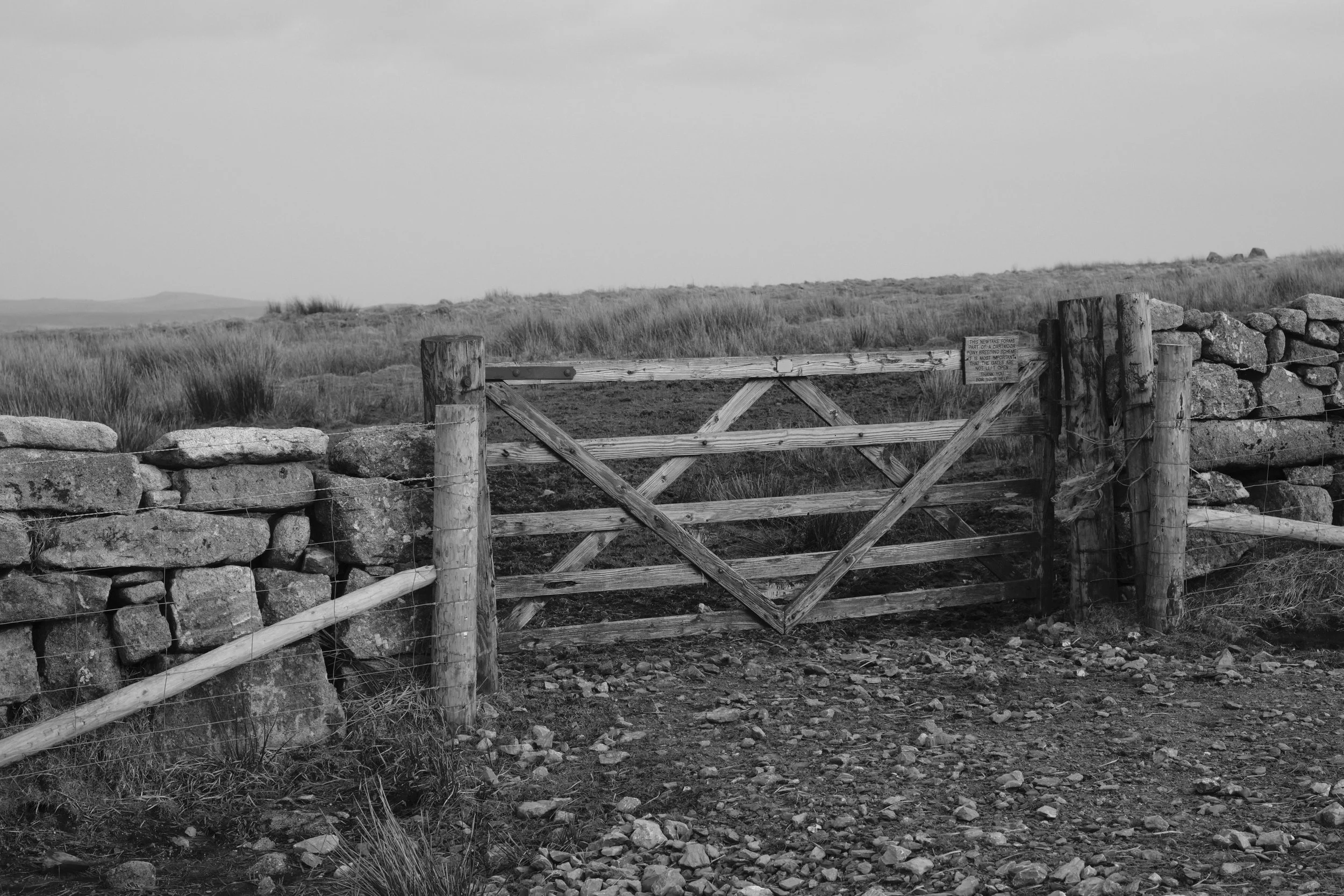
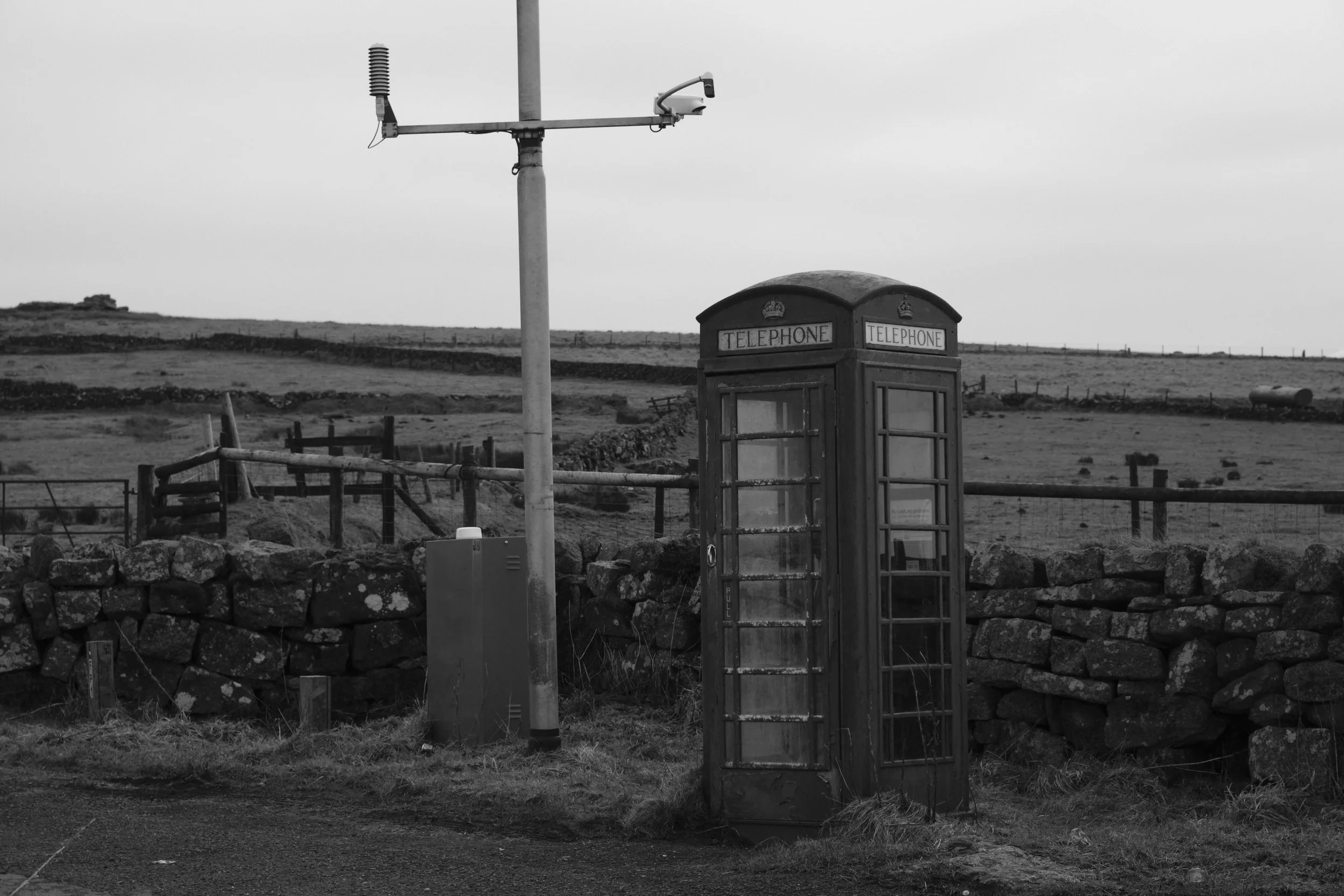
My approach for these shoots has been to take one shot of something interesting and move on. Part of the reason for this is because it will lead to less confusion if I’m trying to pick between two similar shots but also so that I can accommodate for the narrative I’m trying to tell. Taking one shot and moving on most of the time is more accurate to this “wanderer” and what they’re experiencing with the world. They most likely wouldn’t be in the correct mindset to take every beautiful scene in due to their inability to see the world as anything but negative. Their fast approach could be out of fear as a common theme amongst dystopian occupants is the fear of something awful happening, even when the world is silent.
I found the phone box to be especially interesting as it felt so out of place in comparison to the landscape. Having a relatively modern form of communication in such a rural environment was intriguing and I felt a connection between it and the “wanderer” - out of place, isolated, not belonging. I also had a feeling of restriction at the location, as if I was deliberately being shepherded away from certain places. There was one main track that led to a disused broadcast station but you couldn’t go off track into the fields as gates and barbed wire would often impede you from doing this. The ladders to climb the barbed wire were reminiscent of the First World War to me and the “over the top” metaphor of being led to your death was never far off my mind.
The route along the path got me thinking about lines, on top of the research I’d already done on the topic. The path leading to the broadcast station was a straight line, the fence being lined with barbed wire, the lines in the field and the lines used to divide the countryside, and the lines of the struts holding the massive transmitter aloft. It was like the lines were all being used as a trap. They were forms of segregation, control, and holding the new order of the landscape together.
7. Wistman’s Wood
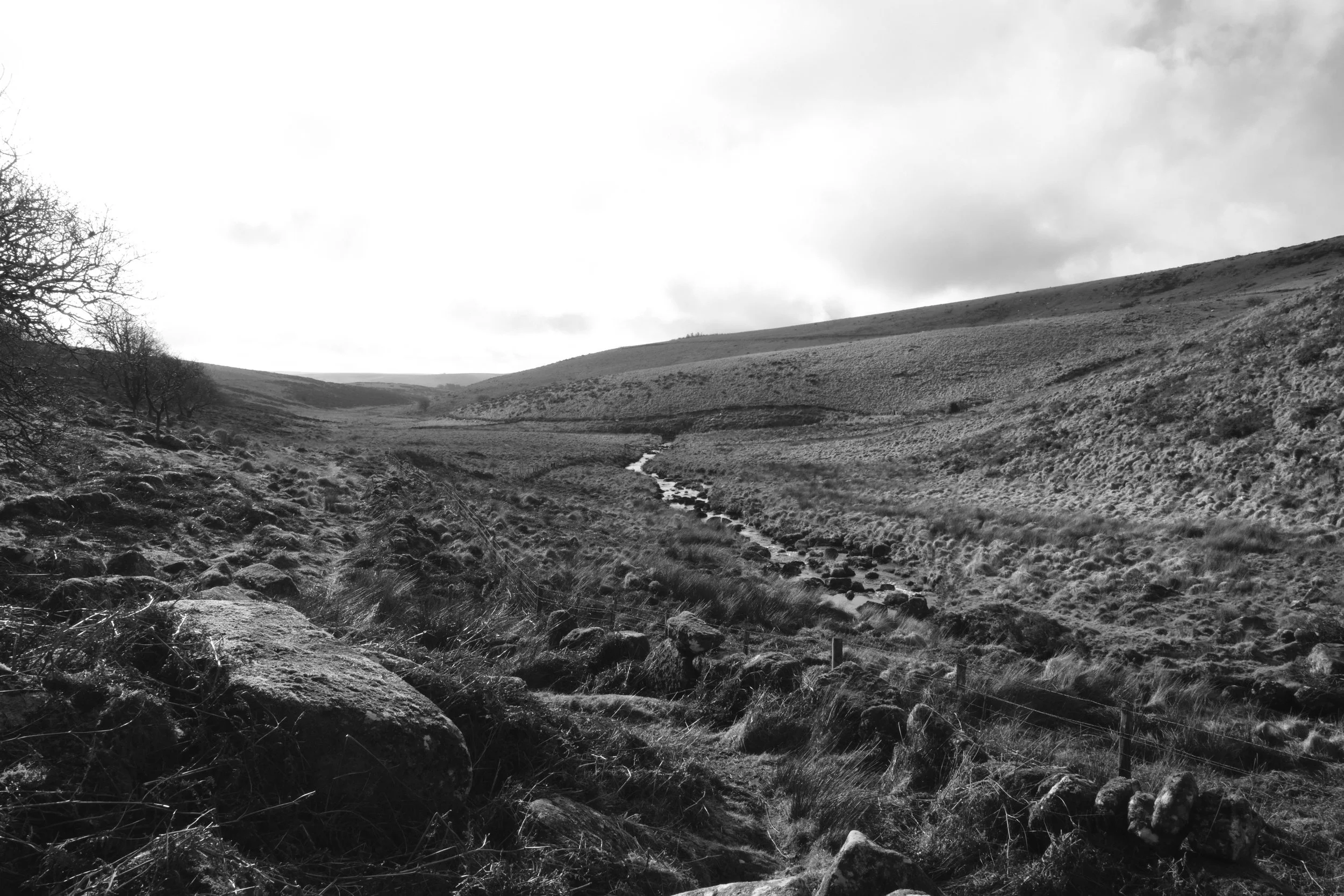
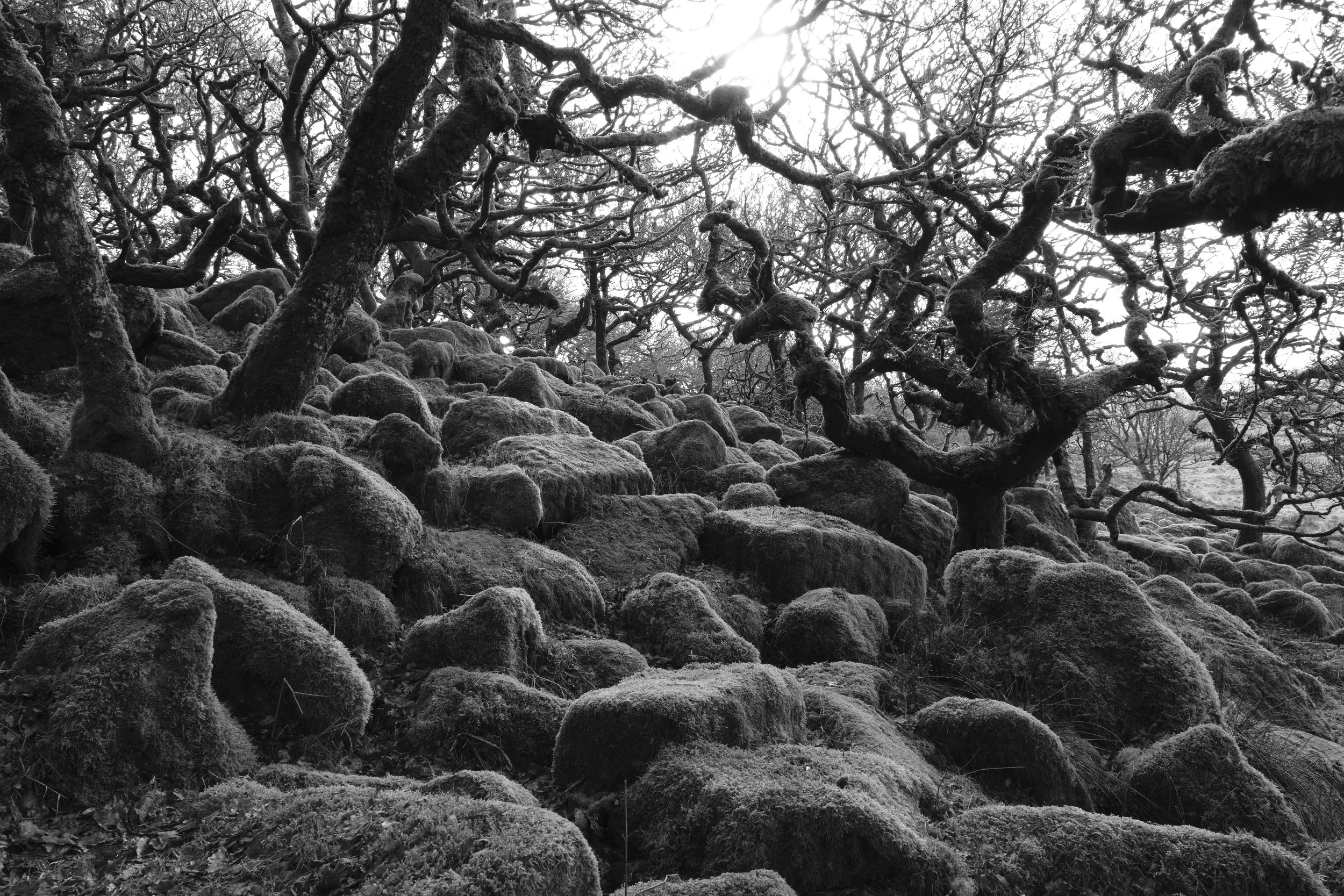
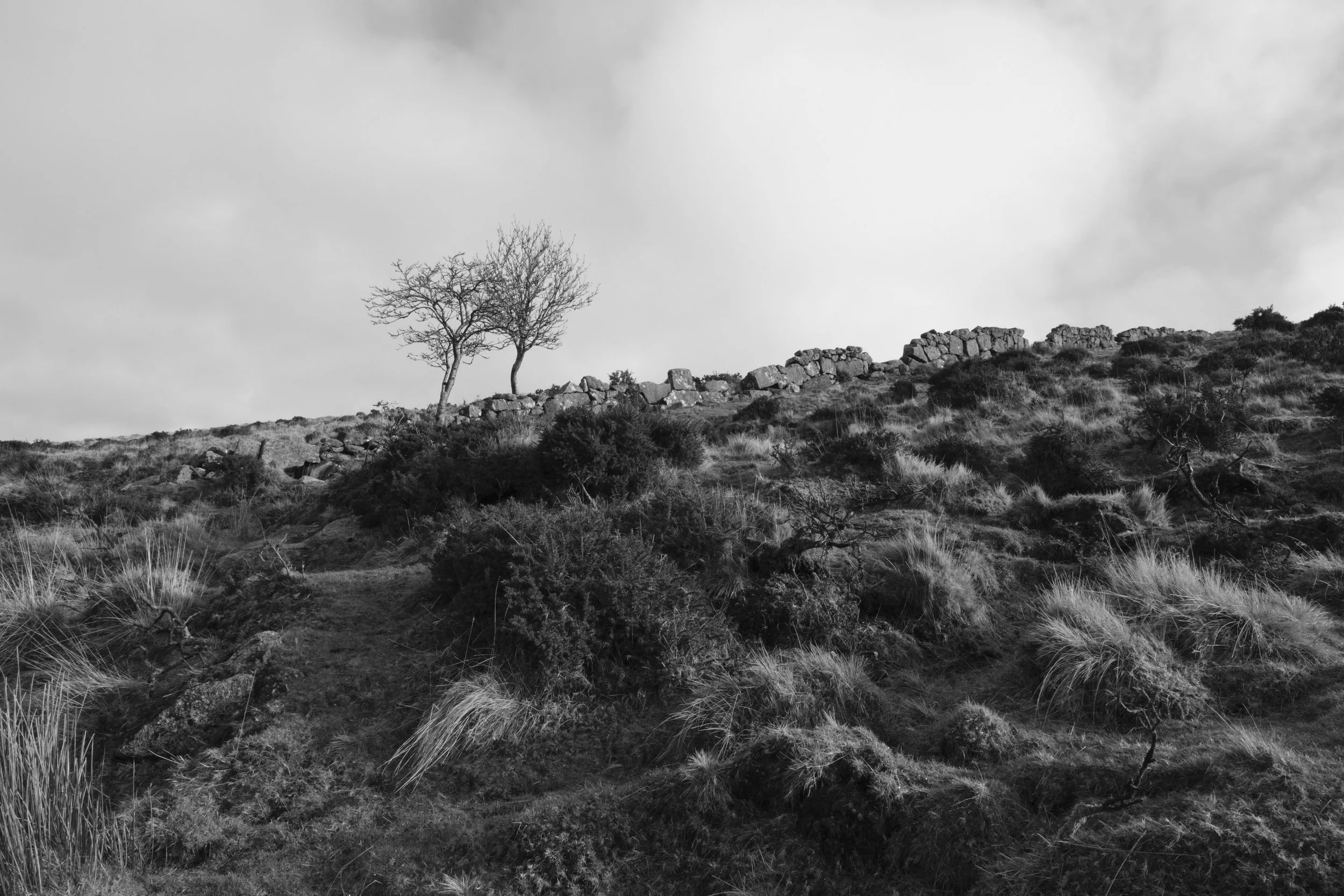
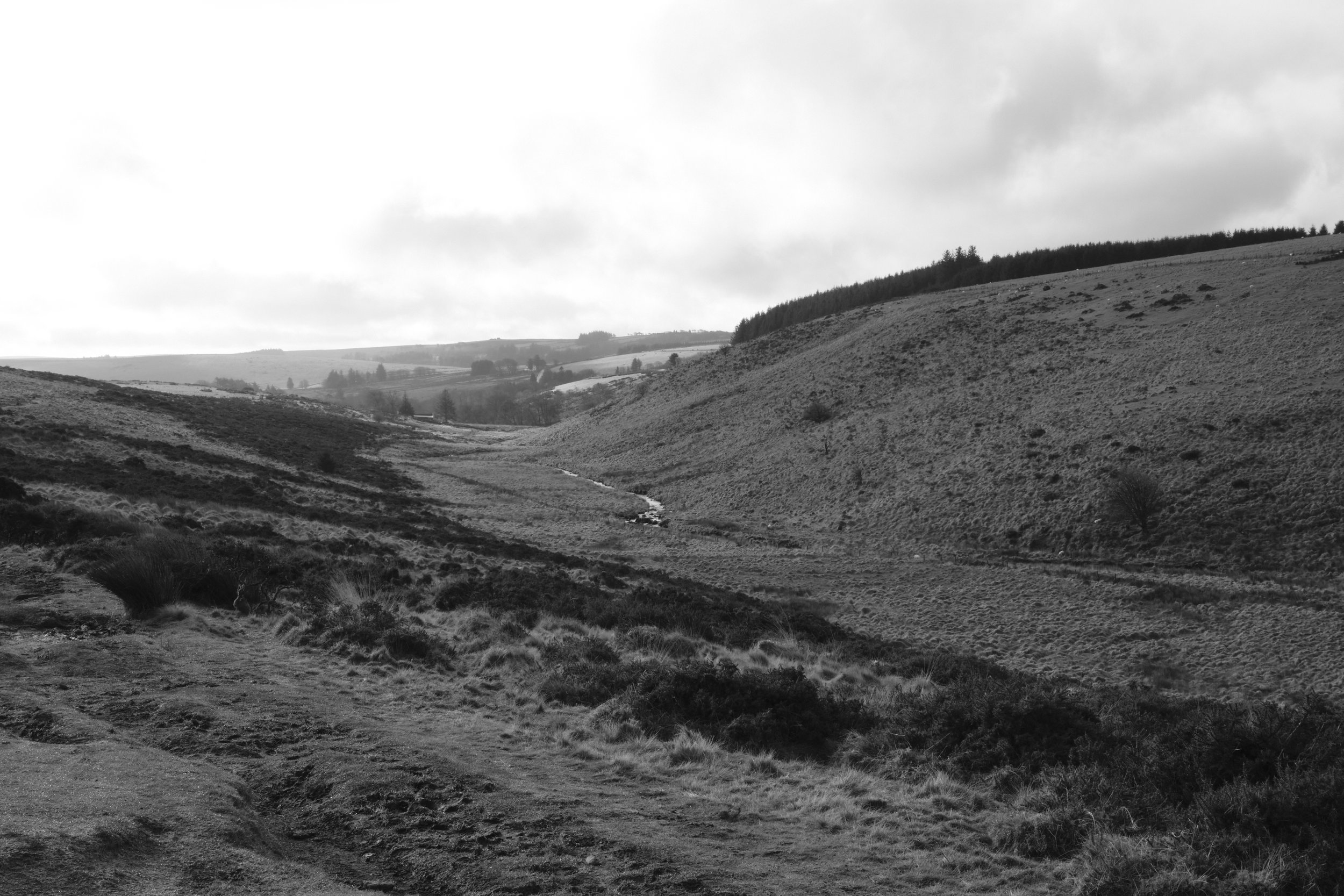
The walk to the woodland area was fairly long and on open ground which made for ample opportunity to capture shots of the overwhelming, massive landscape and scenery. This was to demonstrate the scale of the world in relation to the “wanderer” and demonstrates the size of the area they are attempting to navigate.
The flowing river through the centre of the valley is a representation of life on the surface but not necessarily occupied, similar to a NASA report regarding the presence of a river that was discovered on Mars and the massive deal made out of the matter. The existence of water points to the potential for life to be inhabiting it and the “wanderer” may be looking at this scene, feeling very alone - but are they really?
There is also the inclusion of a house. Is this evidence of what used to be in the world or is it actually inhabited? It looks much more modern in comparison to other structures I’ve shot in the series so there is an implication that it might be occupied. The wanderer never explores the building and documents the inside though - are they scared that if there is someone there that they’d be disappointed with the person in front of them? This is a constant fear I have had through my personal life - fear that not appeasing people will lead to future consequences which is an example of black and white thinking in operation.
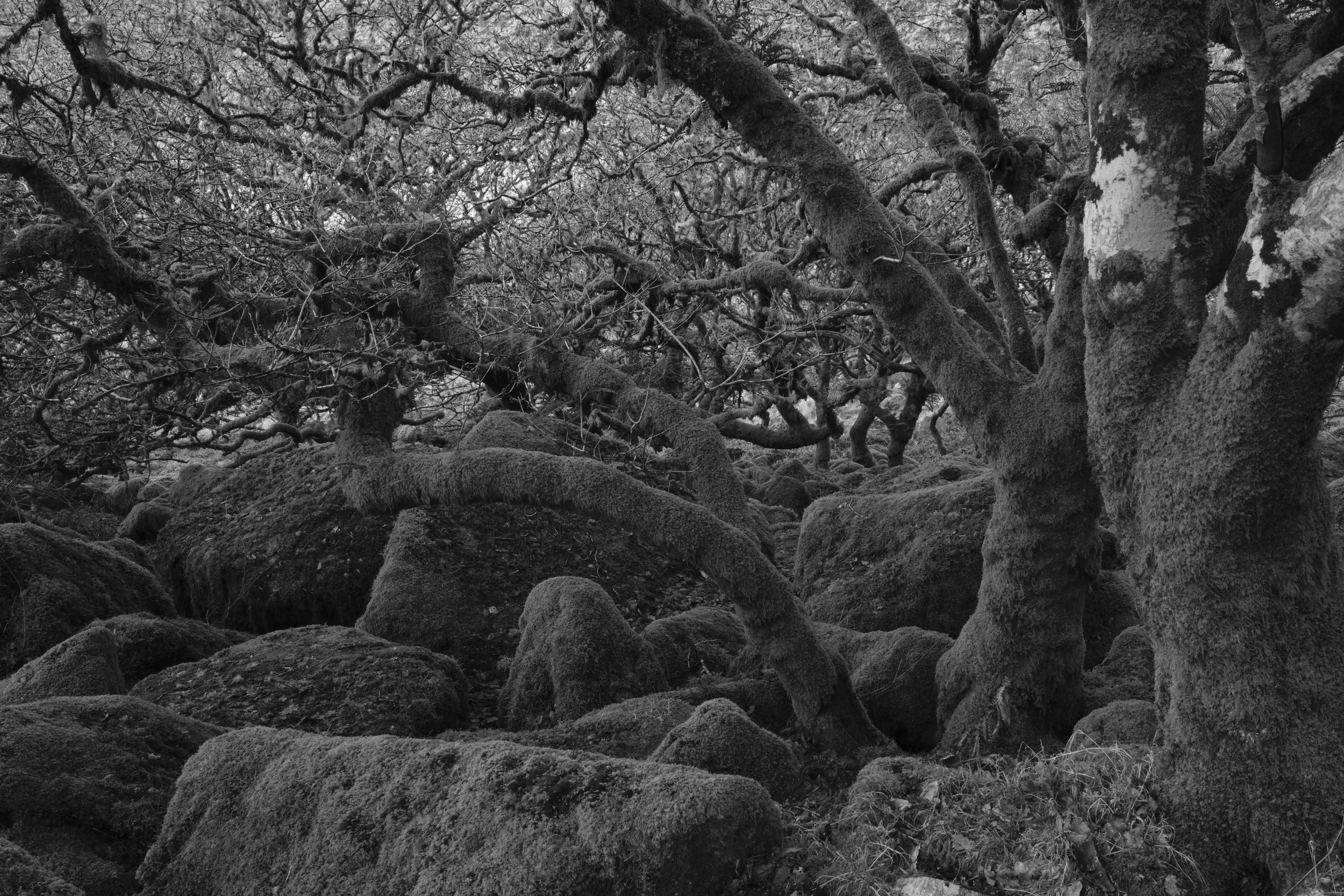
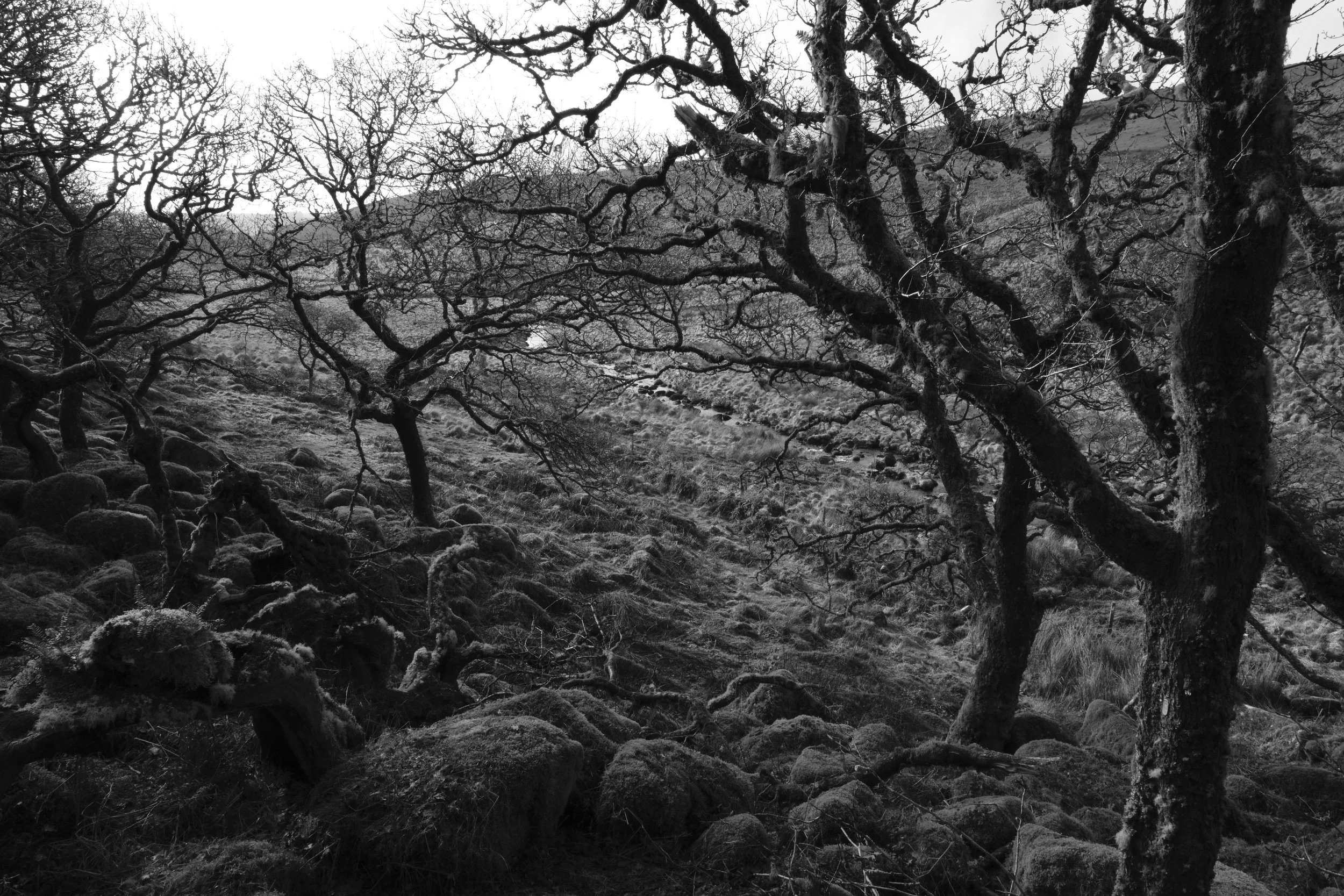
Once I entered Wistman’s Wood, I was immediately surrounded by a warped environment constructed only of trees and rocks. It was in the middle of nowhere and the walk just stopped abruptly as a result. I was left debating why this was happening and couldn’t conclude the motive in relation to the Dystopia theme. Was this a trap that I’d fallen into, lost with no escape, or was this construct designed to protect me from something bad in the real world for my own sake? The trees made for an interesting subject to photograph as they obscured literally everything from the outside world. The only constant visible to the eye was the dark branches and massive rocks ready to cut, prick and slip over on, revealing nothing of the outside world unless you made it to the edge. It felt like being in a pocket universe within the main world, either protected or isolated from everything else depending on how you see the world. Walking through this place was a confusing experience. I felt trapped but somehow relaxed in the sense that I was sure I was alone and nothing or nobody was here to help or hurt me. I was in a world not of my own design but for some reason I felt at peace, as if it didn’t matter whether I lived or died because there was no escape. The world is a stunningly beautiful place but that doesn’t mean it can’t be a terrible place too if you’re alone and isolated.
8. Foggintor
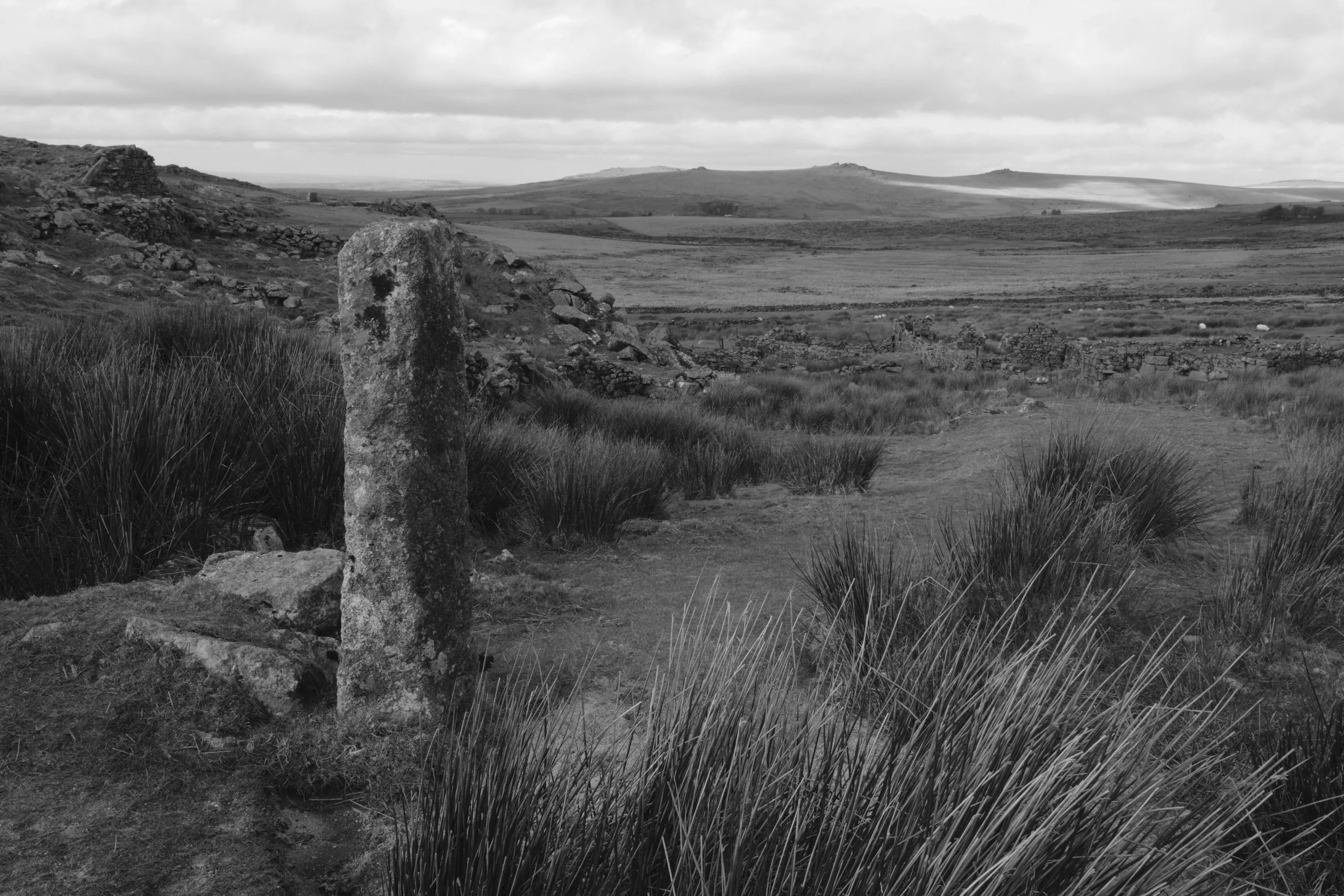
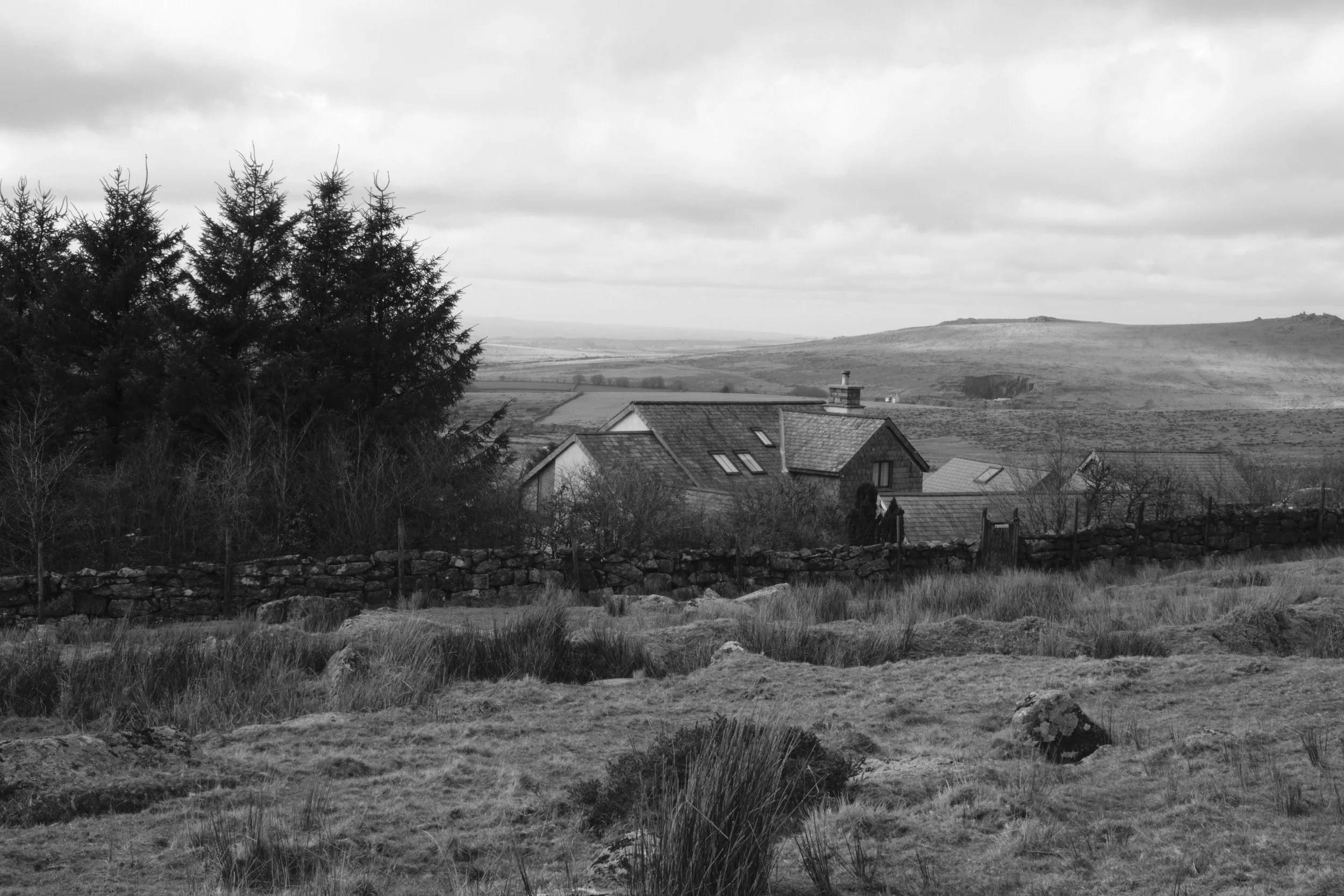
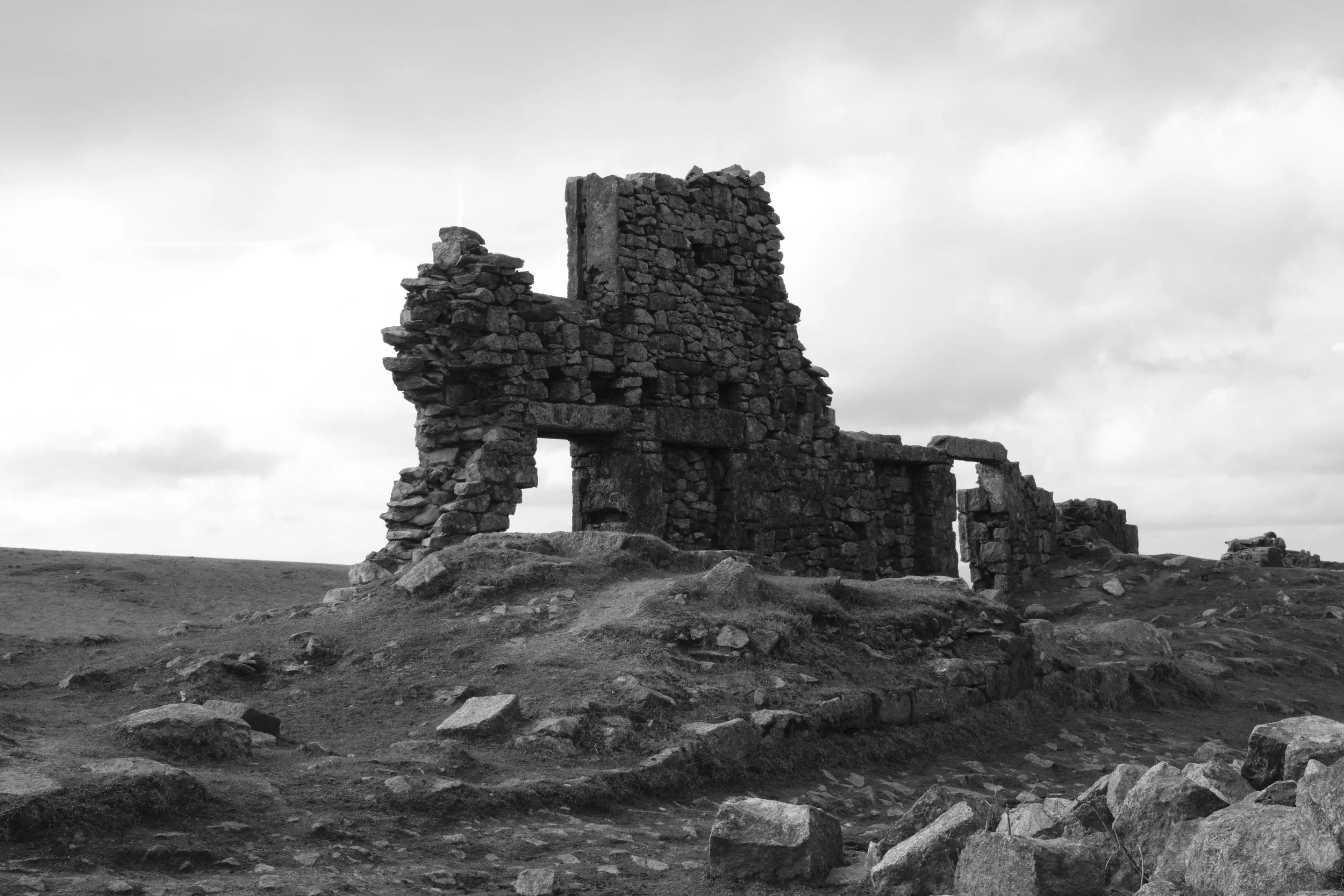
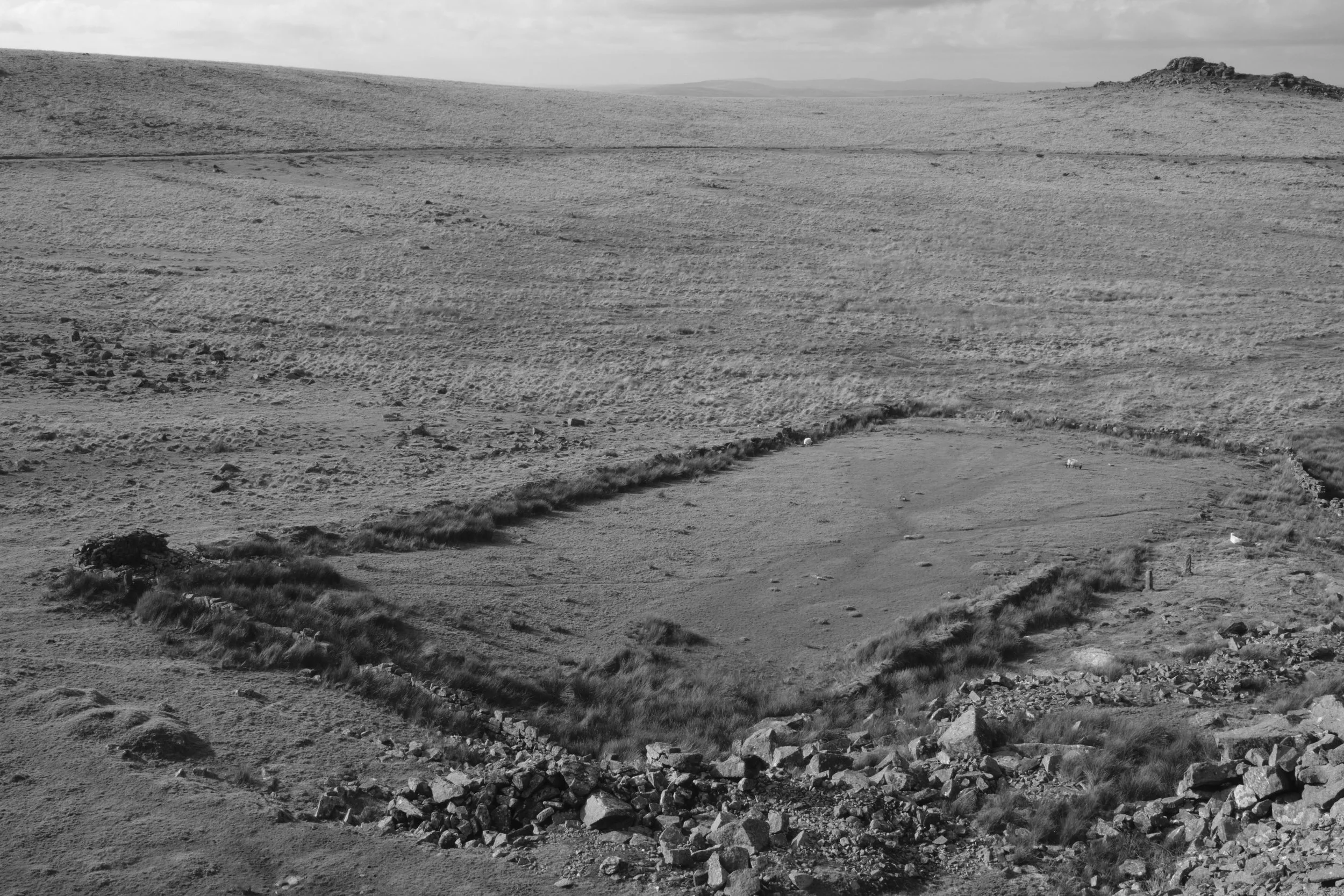
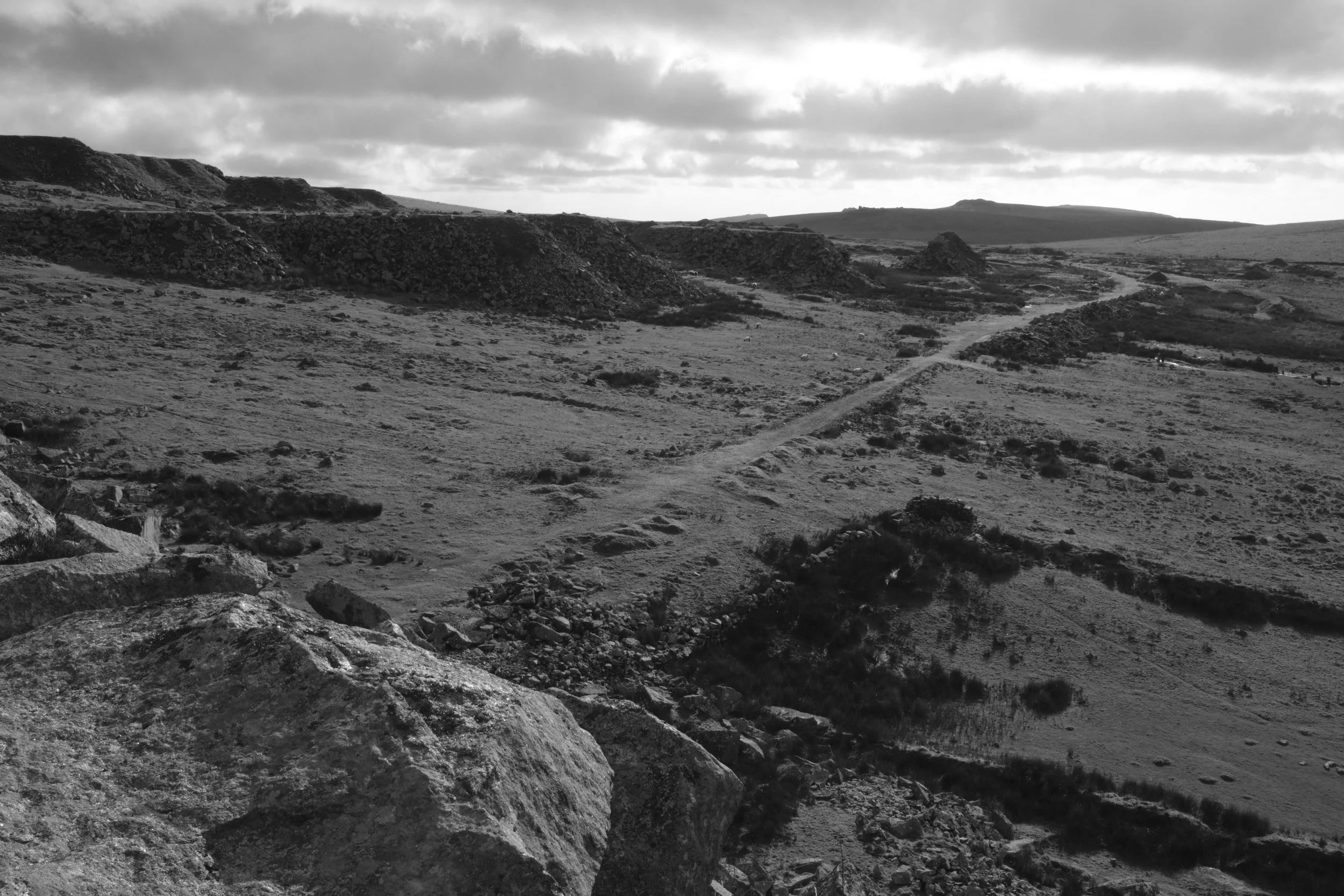
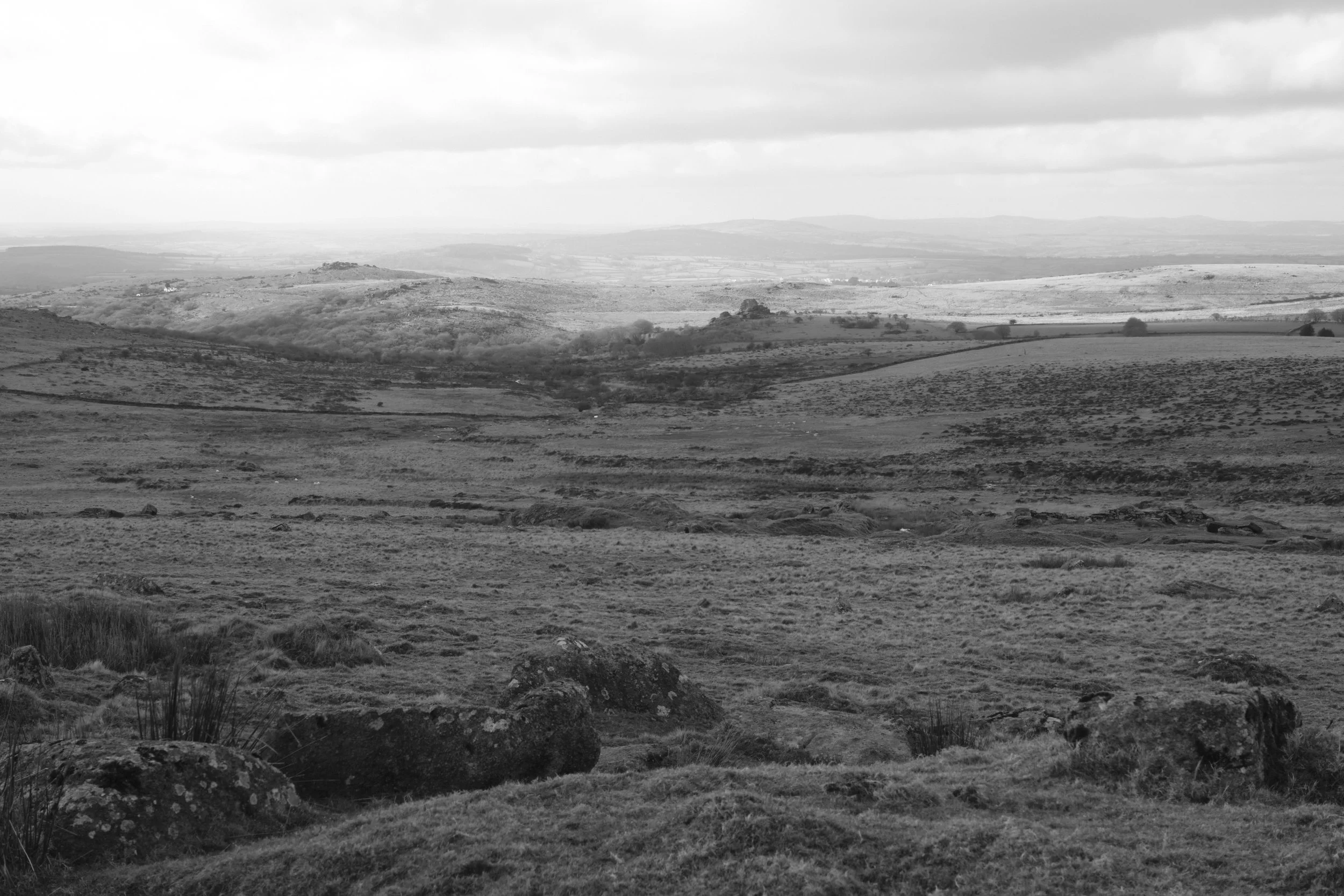
Words can’t fully describe what shooting at this location felt like. There’s isolation to be found on the edge of the rock formation where you find yourself standing on, as if you’re leaning off the edge of the world. The threat of death was very real when I visited due to the high wind and nothing to save you from falling off, yet the world around you stands completely still and big, frozen in a moment in time. It was terrifyingly stunning.
I was especially interested in what was below me. Peering over the edge felt dangerous but I simply had to because the reward was too great - a beautiful view in all directions. Formations had been established in the earth that were the size of football pitches and the valley was just a winding ribbon of perfection. It could be so easy to give into temptation and jump to get to this promised land… or so I thought in relation to how the “wanderer” might think. It served as a reminder of the scale of the world I’d built, and how small and insignificant one human being was in comparison to the magnitude of the landscape around them. It demonstrates the size of figuring out your place amongst this beauty or whether it would be easier to just look down, prey for a new horizon and jump. This could be some sort of trance or dream state that the “wanderer” finds themself in, as if possessed and needing some kind of push to make a tough decision.
9. Ditsworthy House
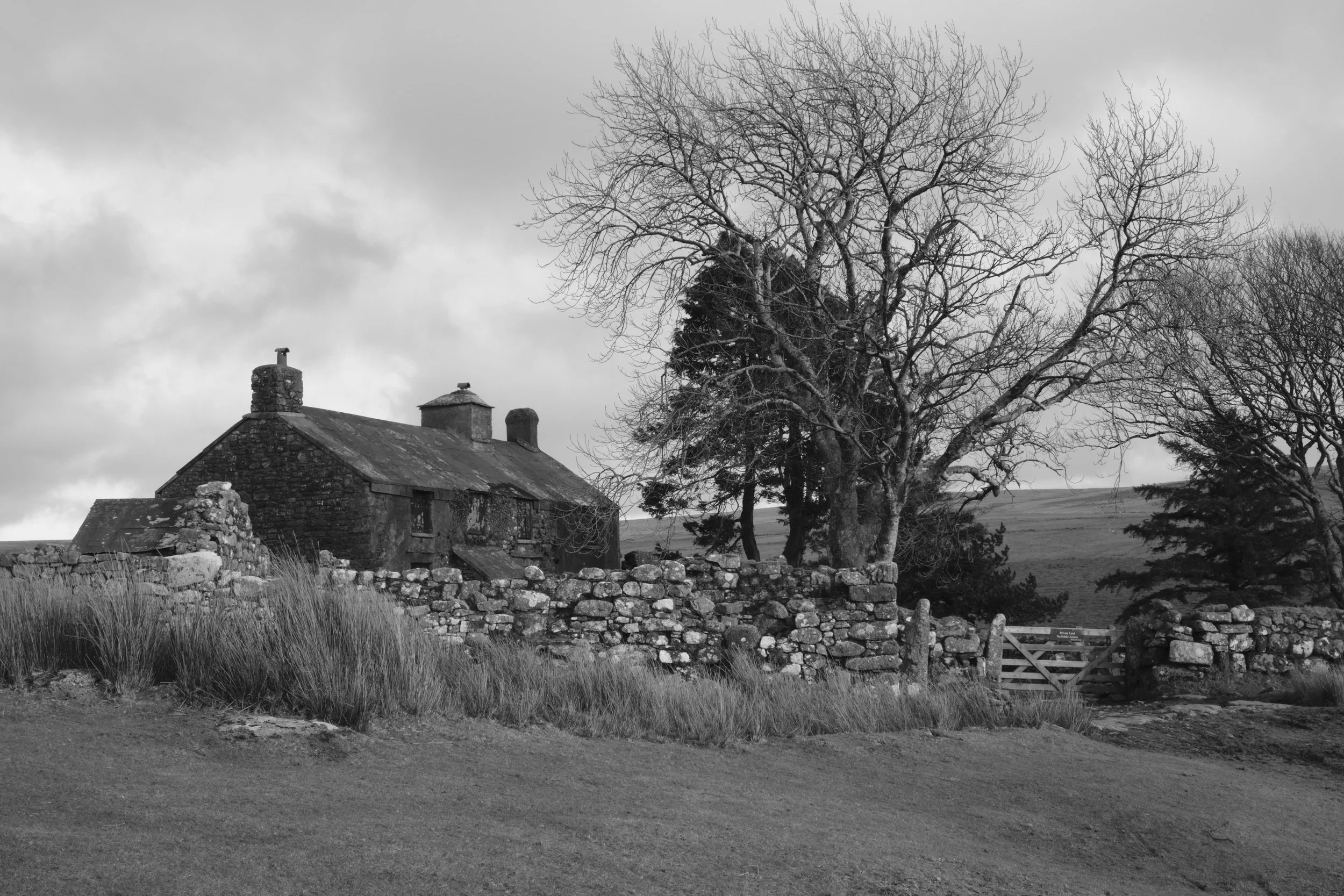
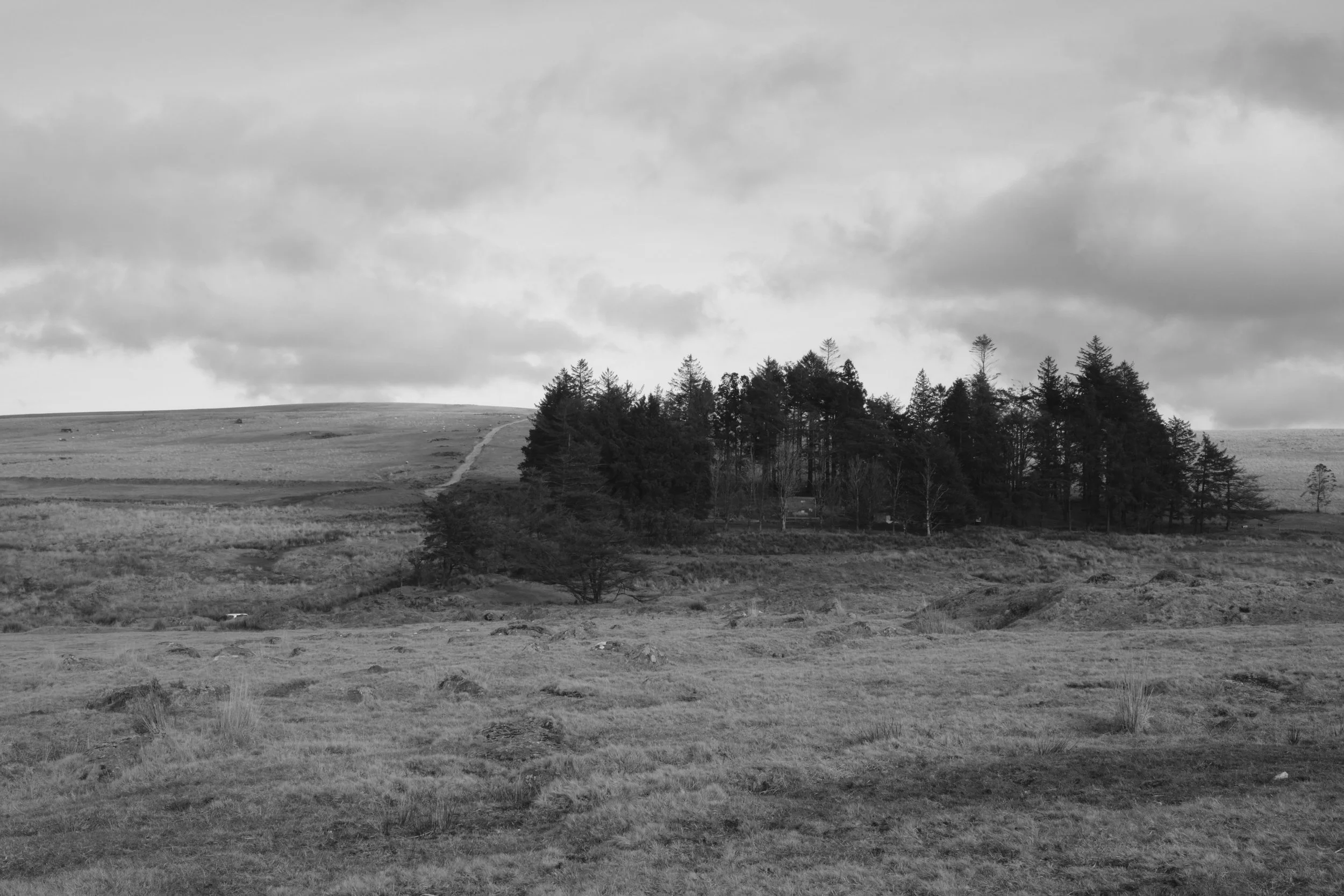
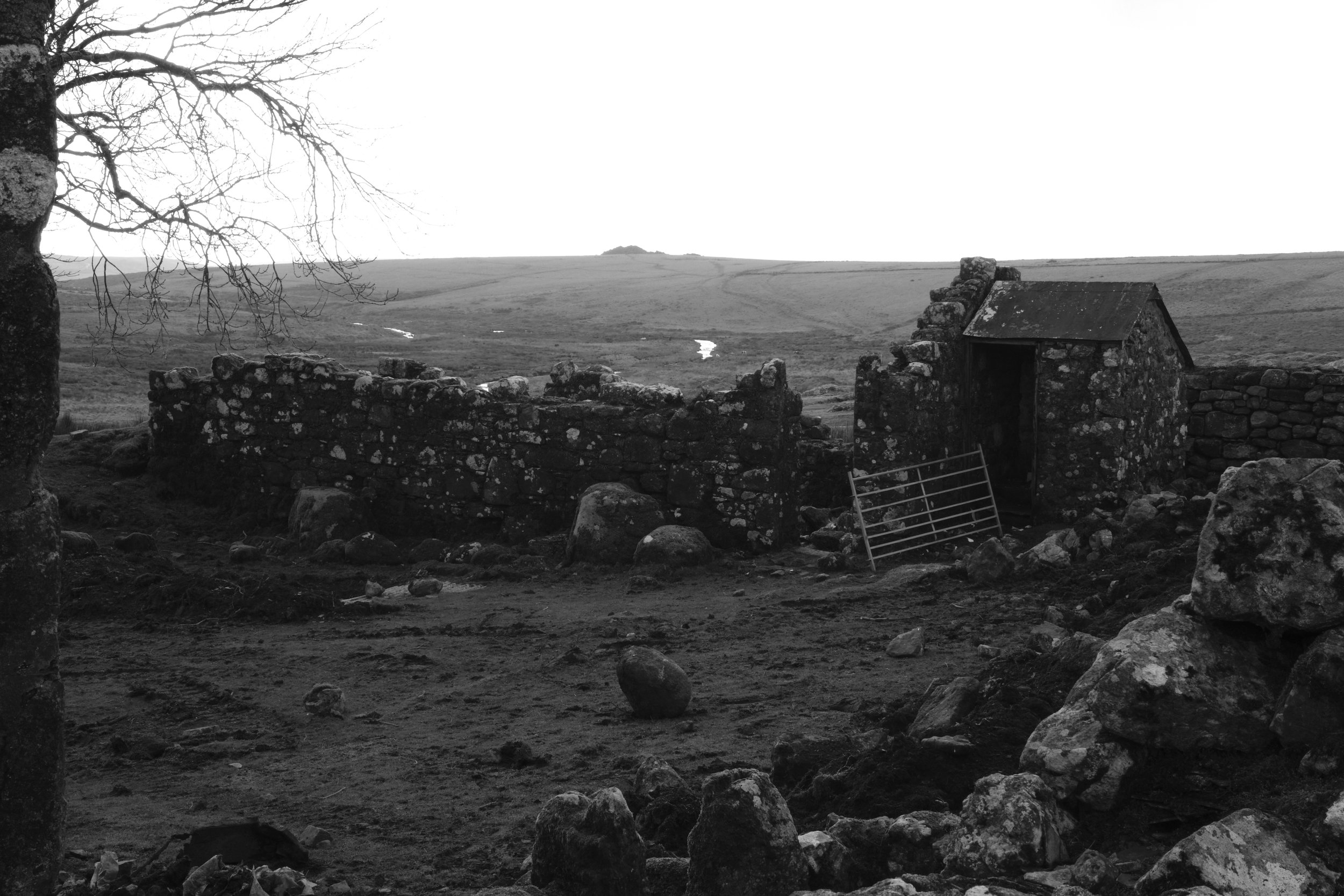
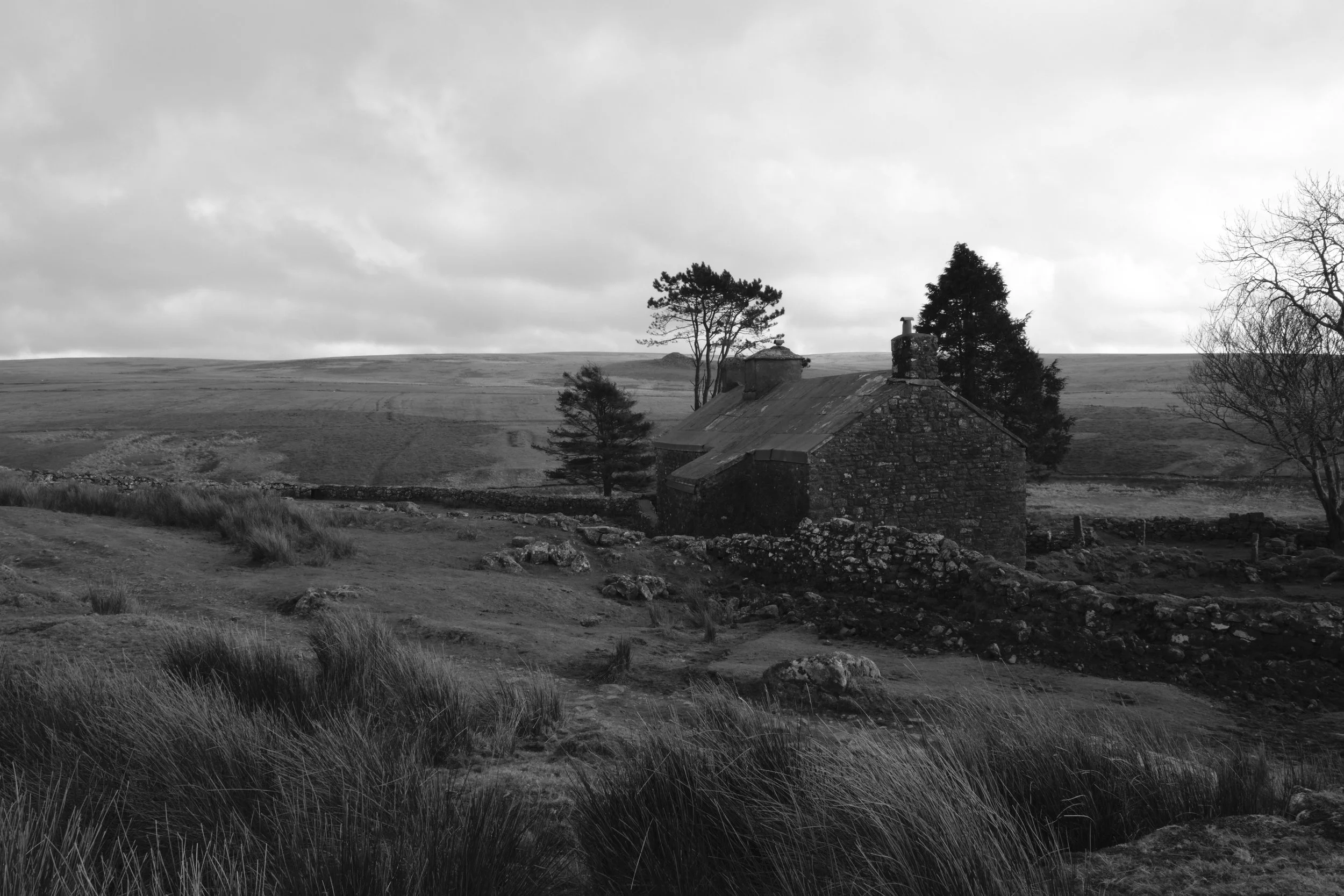
Ditsworthy House was a much smaller shoot due to how little there was. My mind was in a decreasing mental space and there really wasn’t much to observe here due to how I wanted to just be in my room away from everything. However, the house being completely isolated from anything else in the world makes it seem like a natural construct, no different to a tree growing out of the ground. The evidence that it isn’t in use comes from the bars on the windows and the broken fence, implying something sinister may be lurking even though this potential threat isn’t visible.
10. Yes Tor
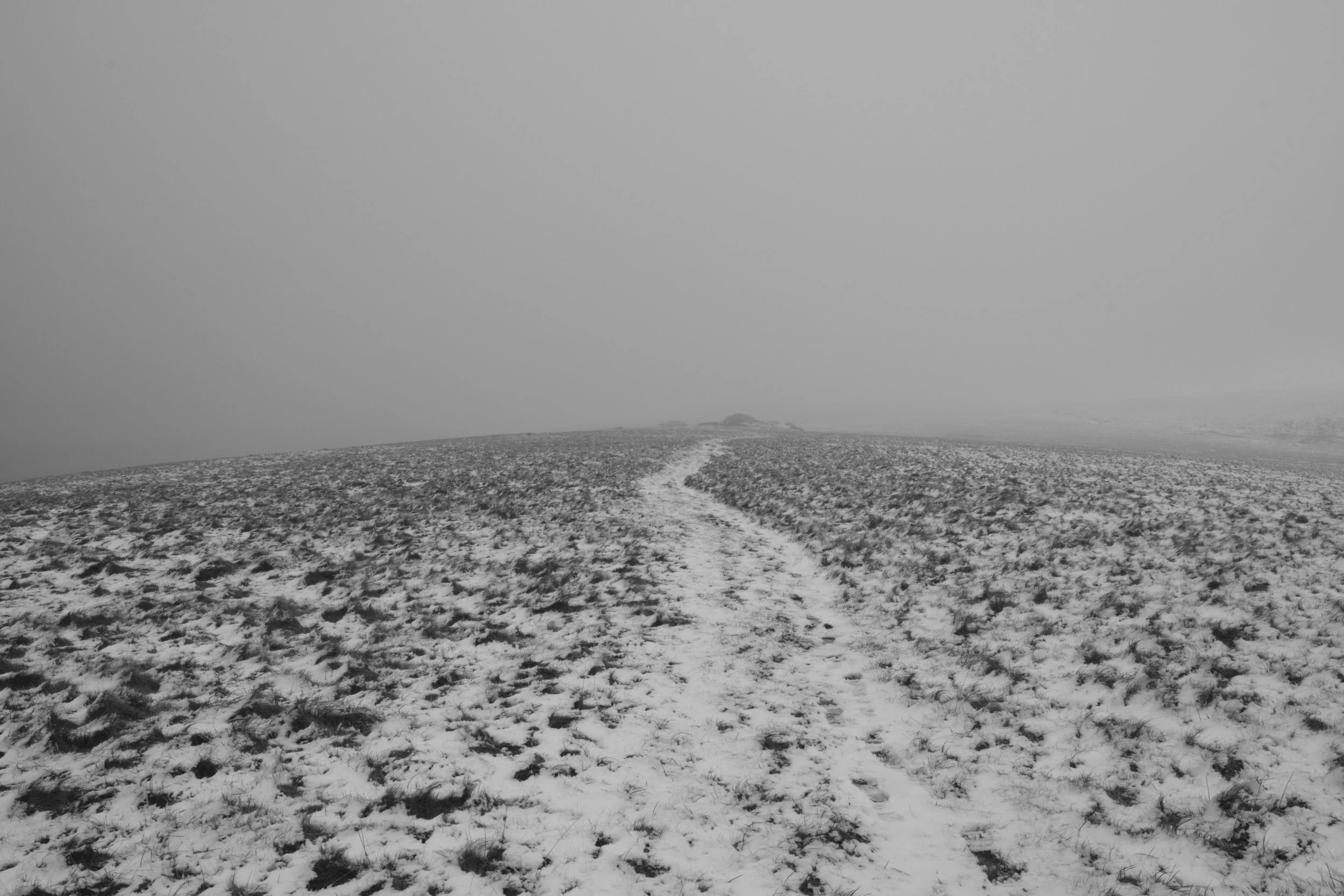
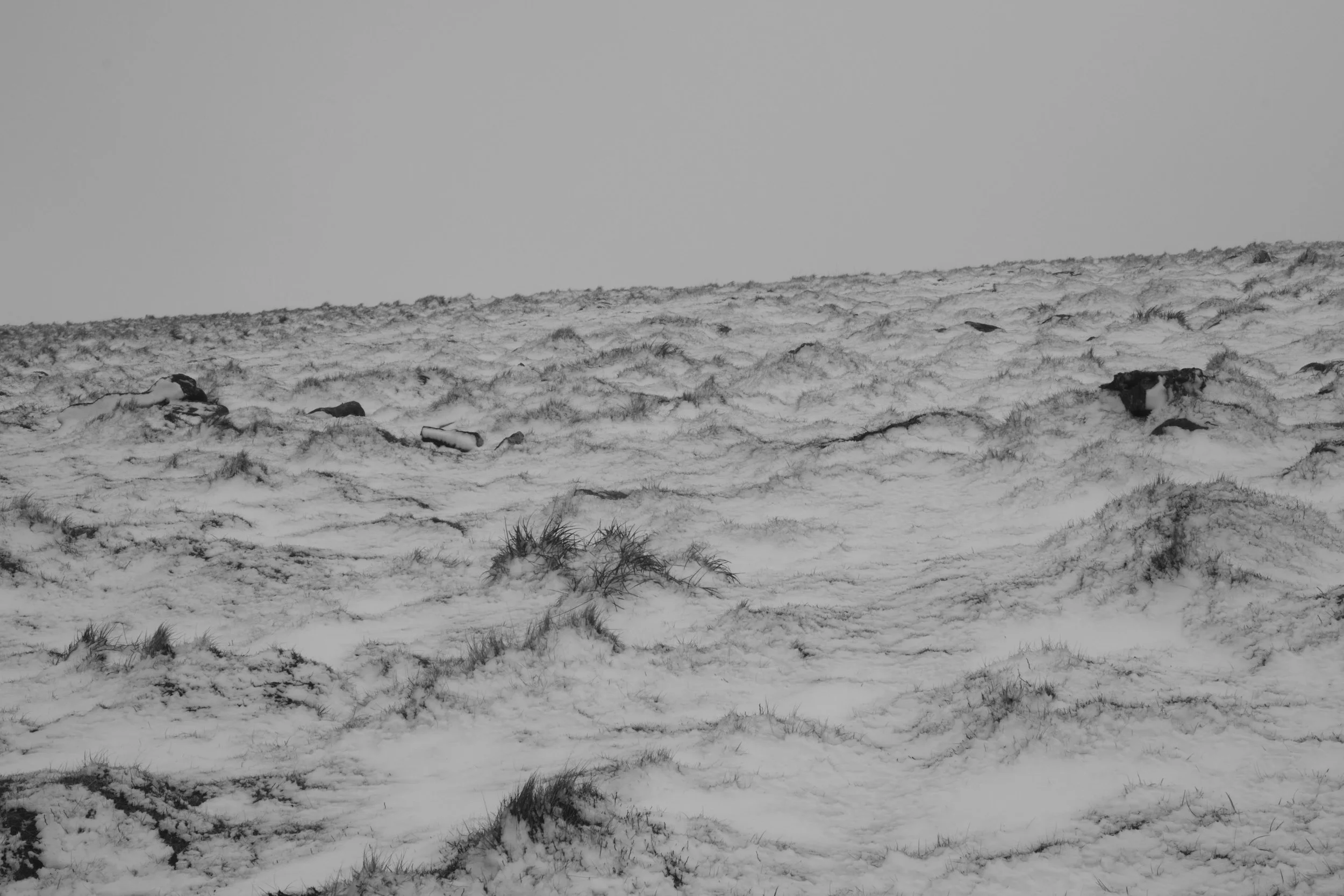
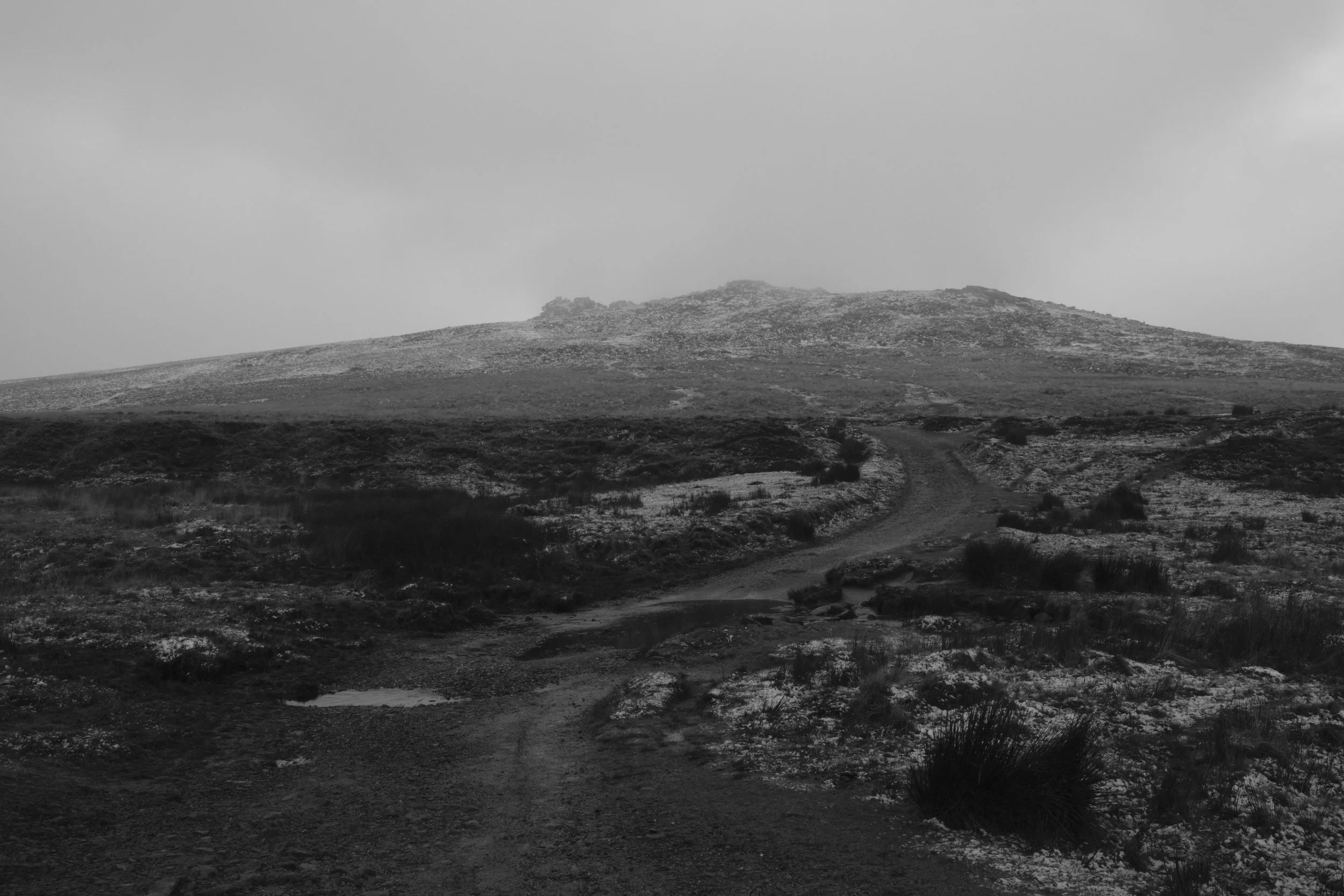
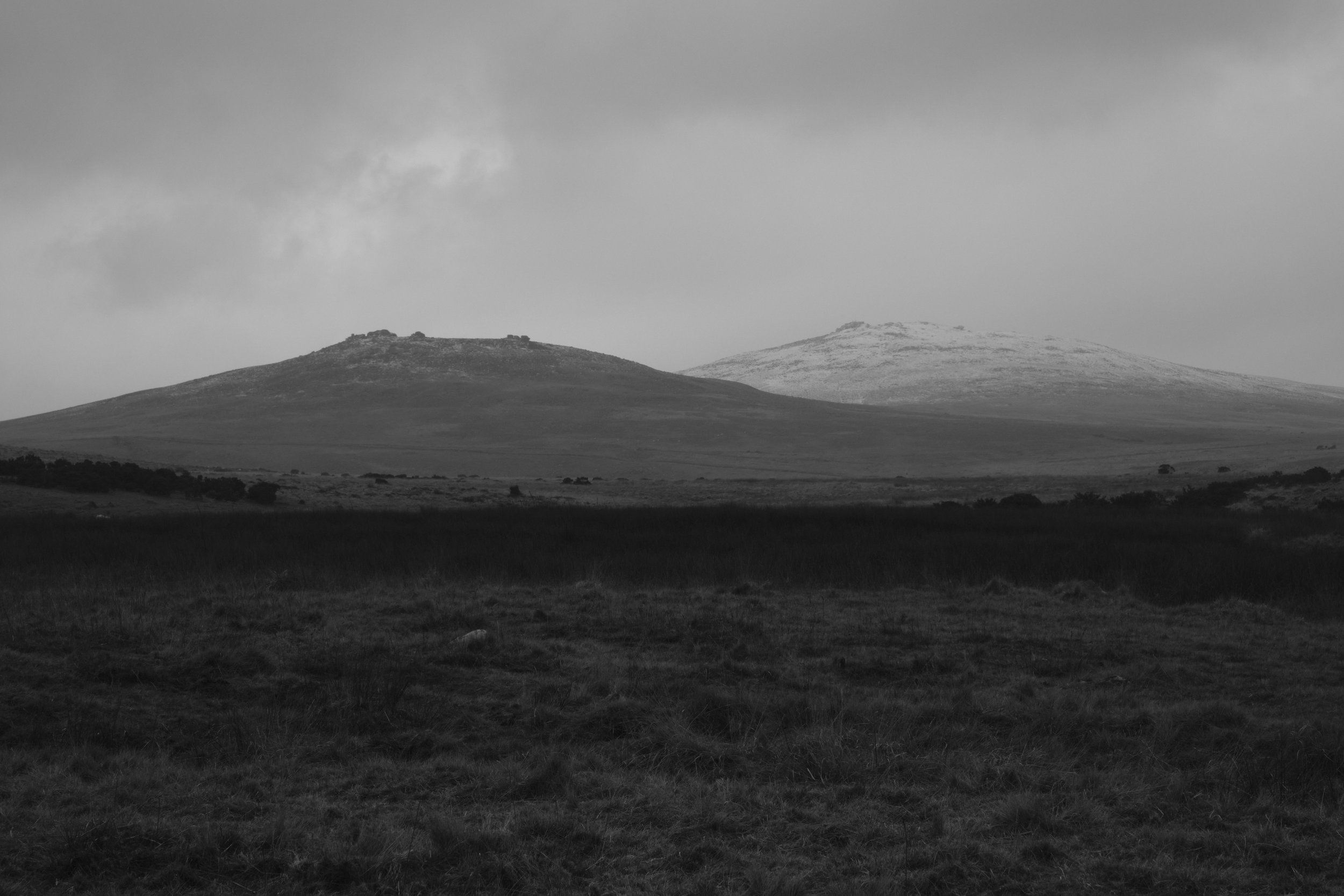
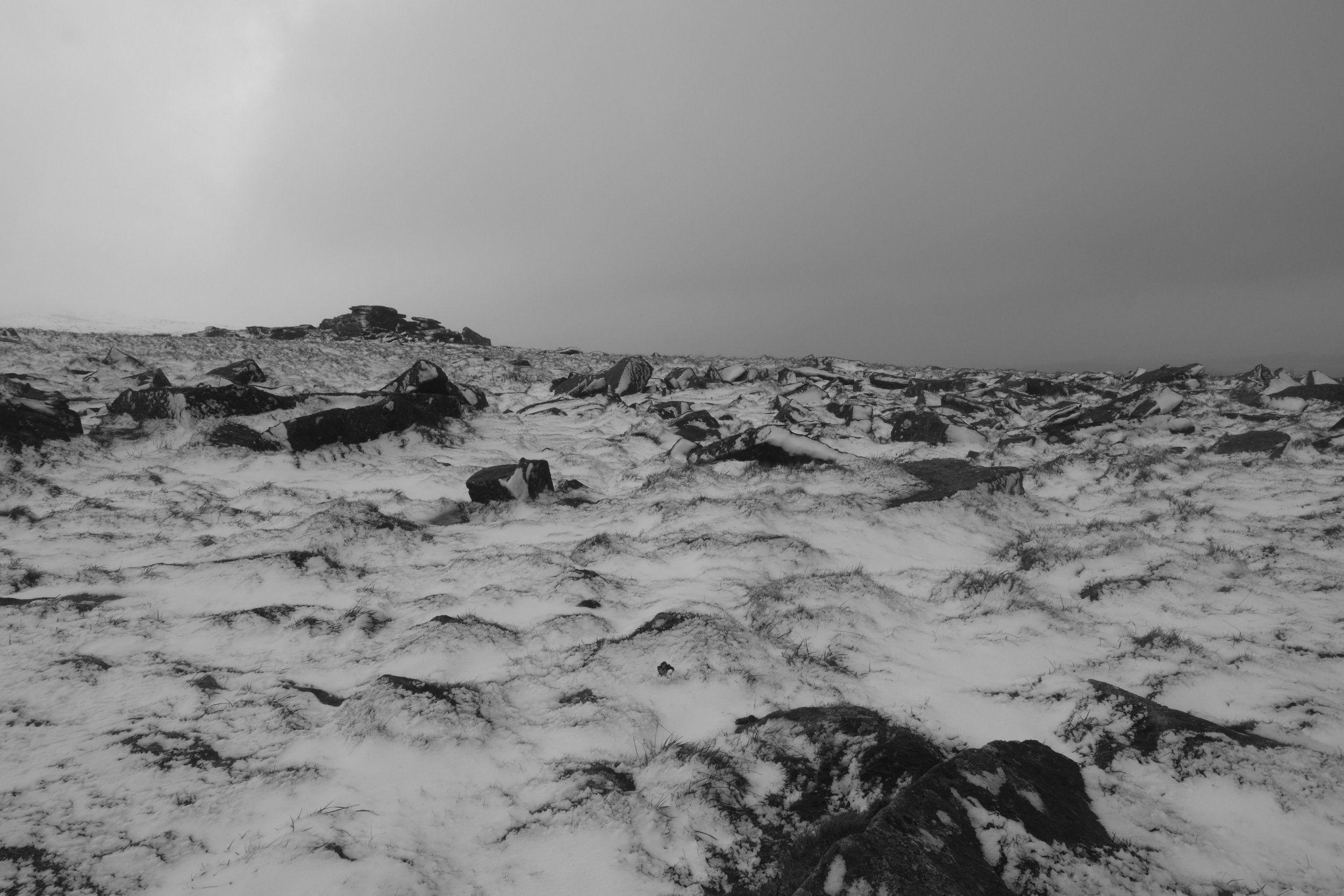
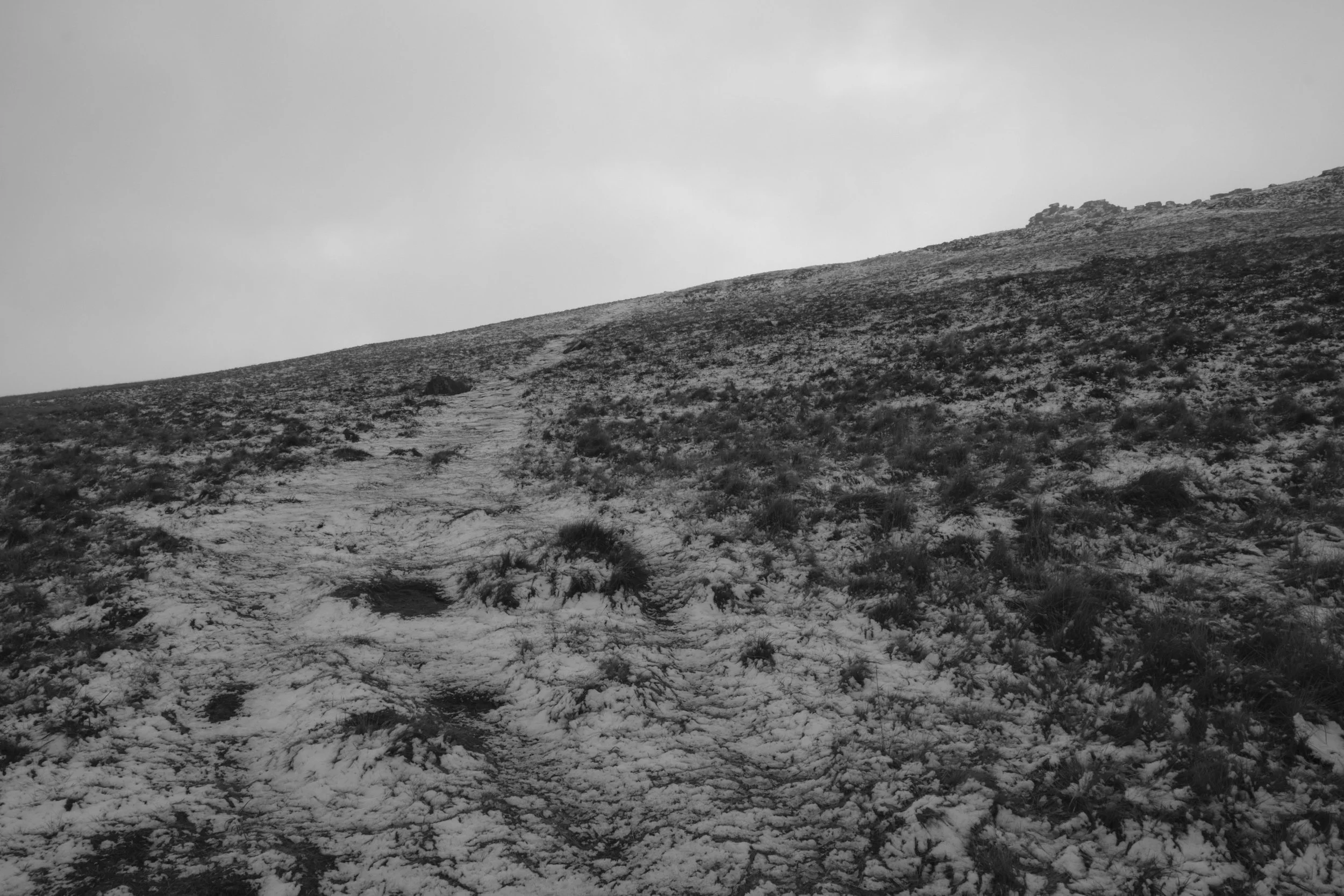
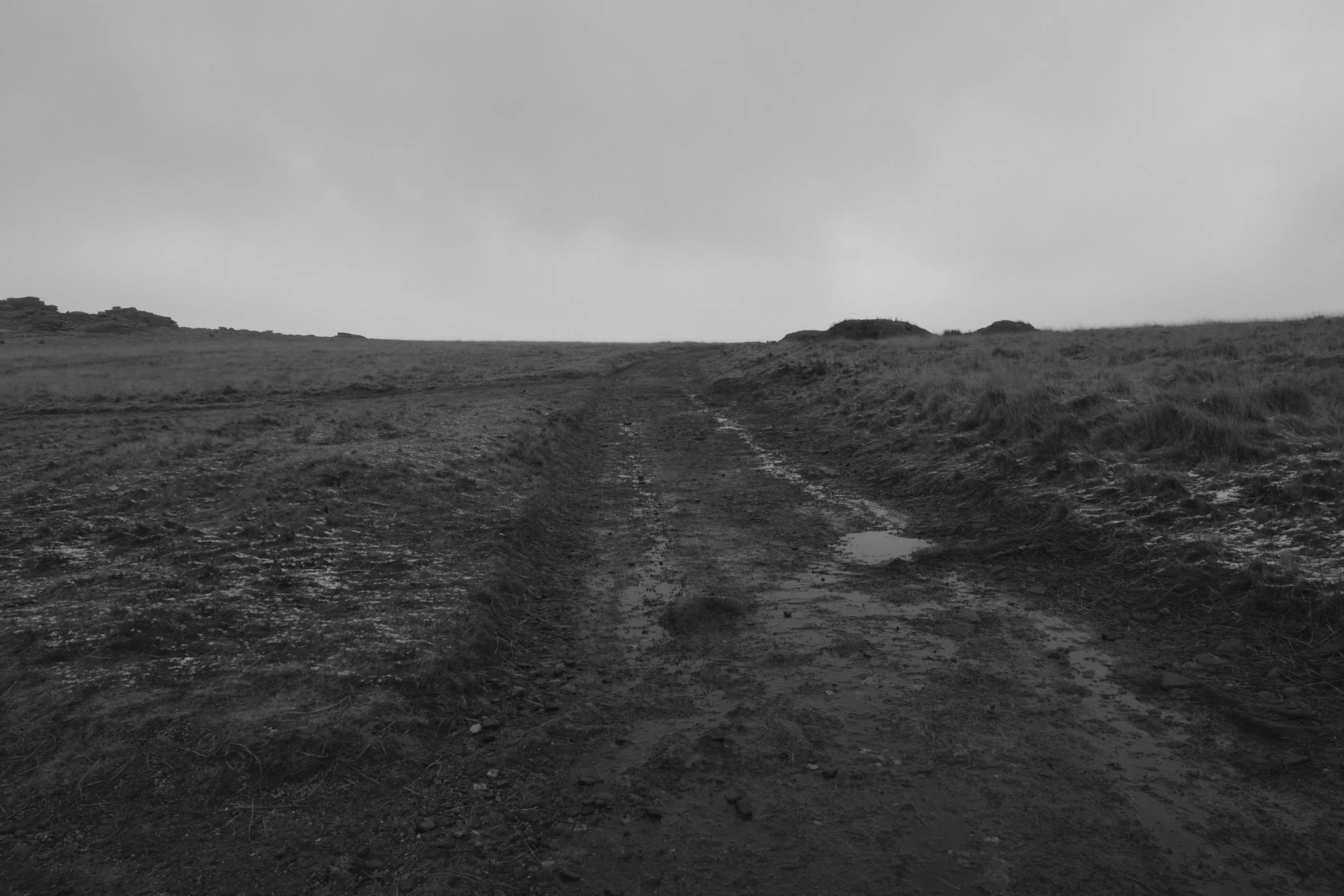
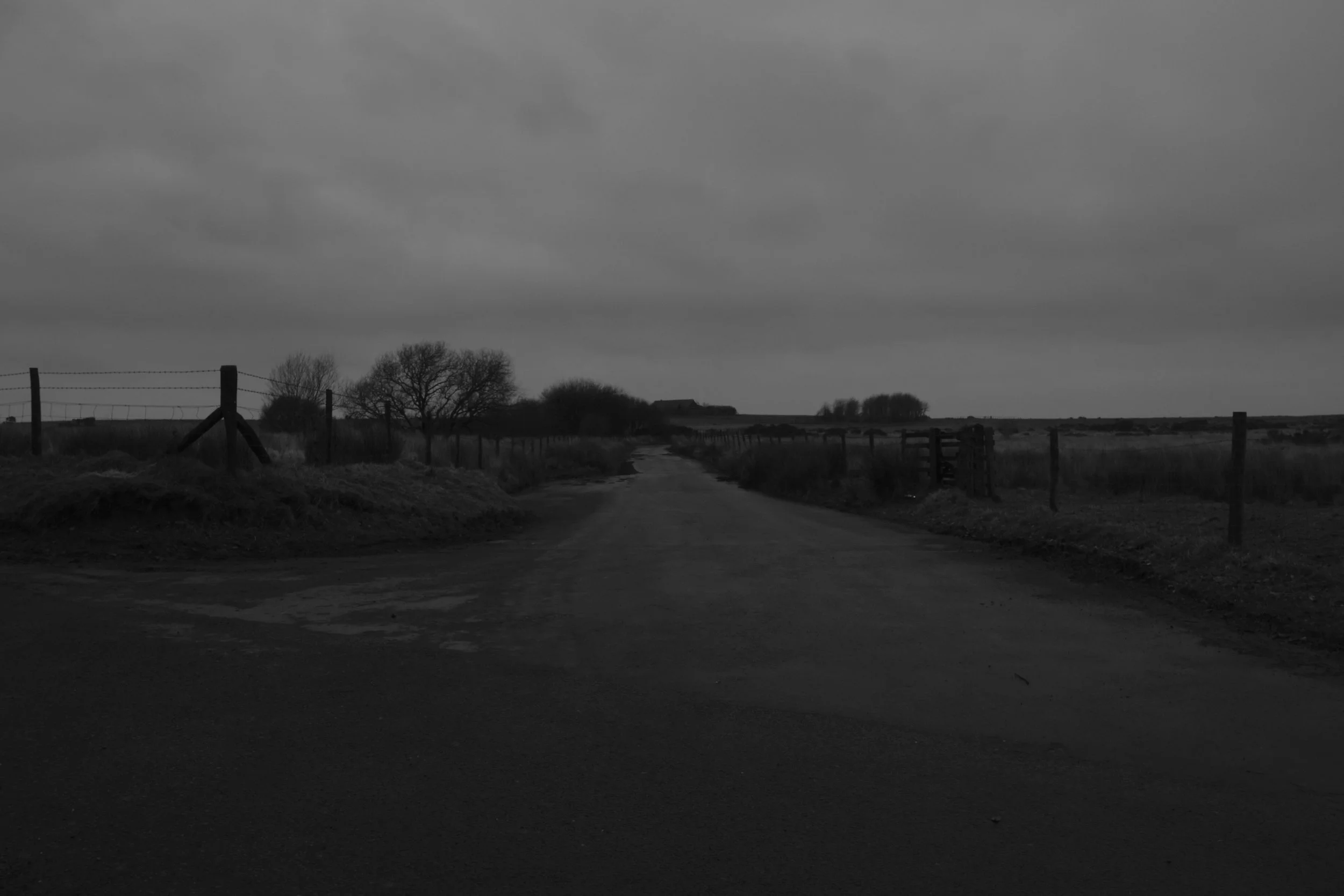
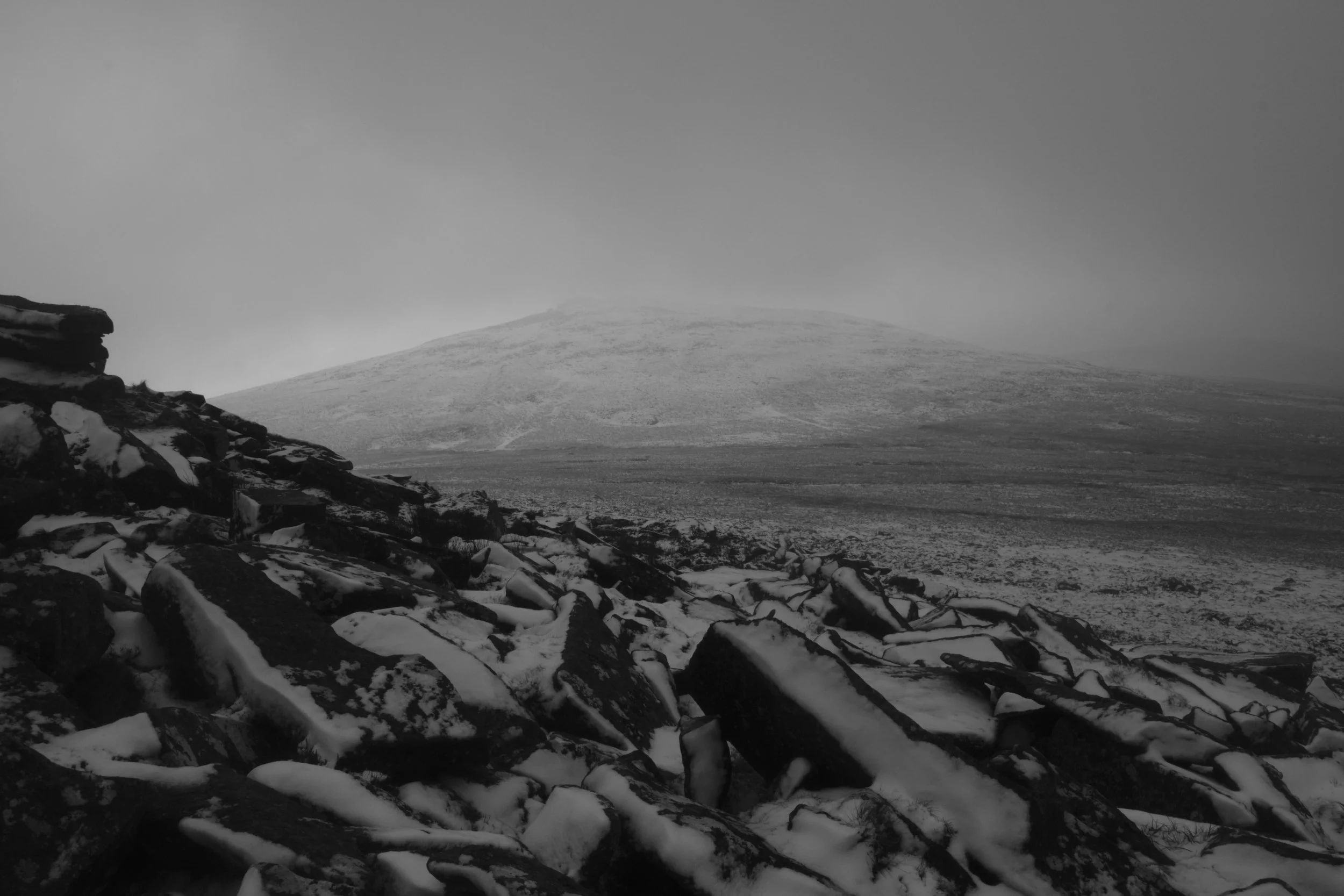
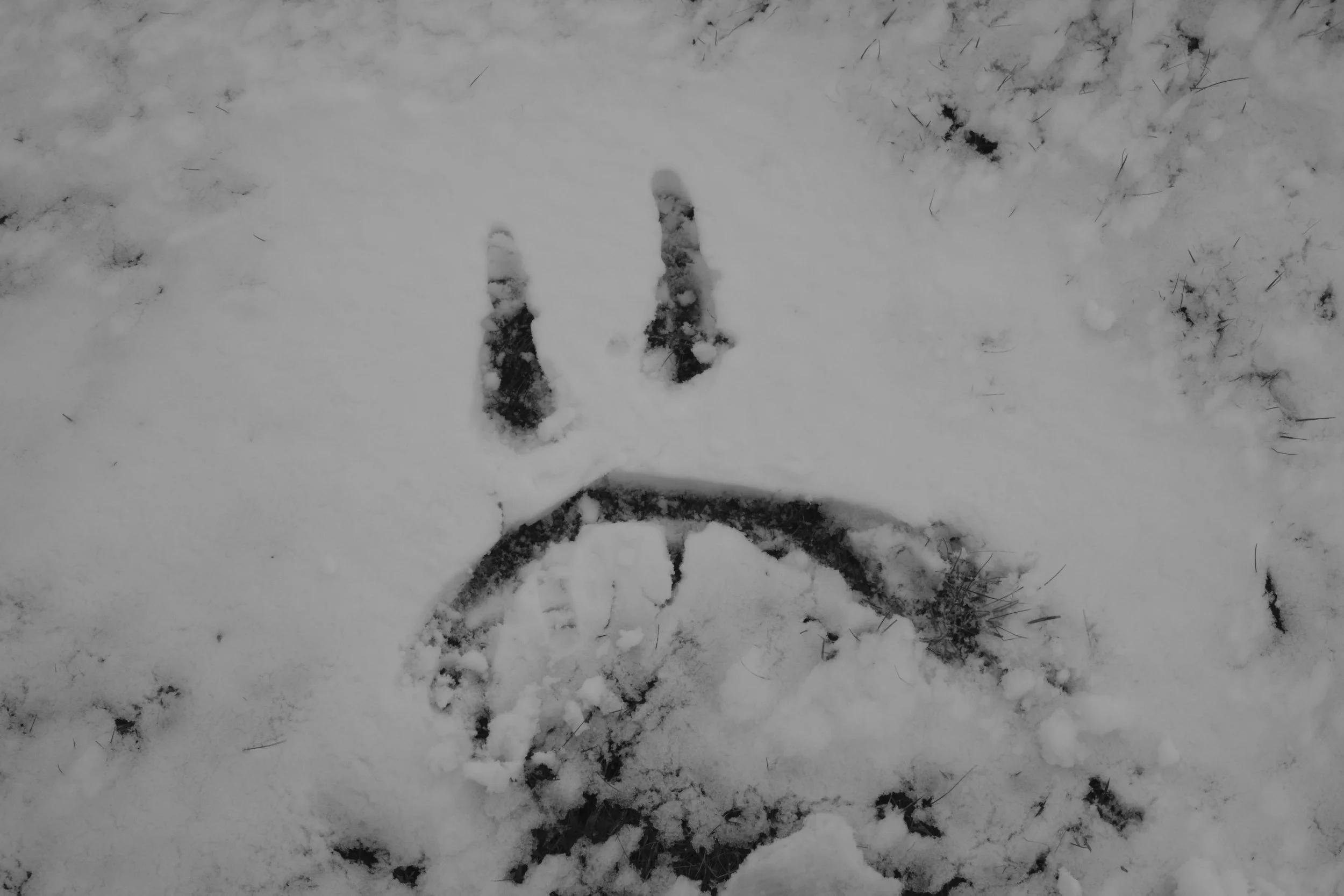
The shoot at Yes Tor was very different to any other shoot I’d done to this point. In freezing cold conditions I was actually en route to a different location when the sight of the snow capped mountain drew my attention and attracted me to explore the area in the hope of finding something new. Things in life don’t always go to plan and that can be absolutely fine. You need to make the most out of the situations that are handed to you and in these conditions with this weather I felt that everything worked very well.
I started at the base of Yes Tor, shooting the surrounding area. The gloomy atmosphere reminded me of an English term used by writers in fictional pieces called pathetic fallacy. This is how the human emotion is connected to inanimate constructs such as the weather or certain objects. It was very misty and cloudy which obscured some of the Tor and the sky converted the colour that the area would normally have in the sun to a grey dull look. This look tied in especially nicely with the snow on the ground, especially when shot in black and white. It showed that even though we are in charge of our own narrative as the creator of the work as painter Richard Webb suggests, we also have to acknowledge what is physically in front of us and adjust our narrative accordingly. A contrasting narrative could lead to confusion and misrepresentation - the fact that I’m not enhancing my photos with any post-production and everything is out of camera means that I ethically can’t afford to misrepresent the world around me. The “wanderer” continues regardless despite the dangers of snow, ice and an unexplored environment out of hope that something positive can be found amidst the clouds.
Reaching the top of Yes Tor got me interested in what wasn’t visible to the eye rather than what I could see. It was a good way of symbolising and evidencing a journey and the idea of venturing into the unknown. The journey never ends - I would go into the fog and be met by more landscape, something that became more disturbing and frustrating as it felt like I was stuck in a never ending time loop. However it also served as a reminder of the size of Dystopia and how it seems to never end.
11. Willsworthy Firing Range
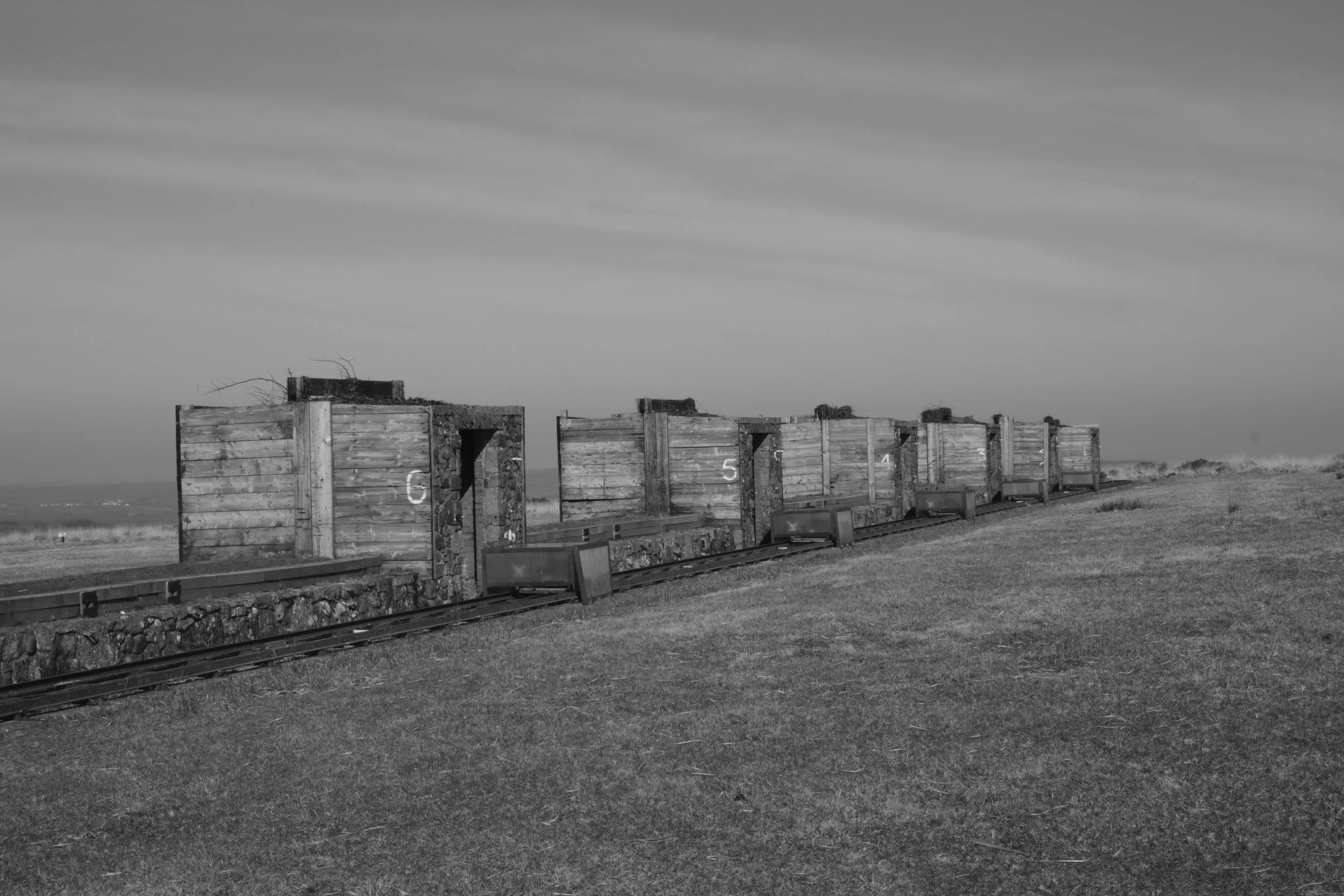
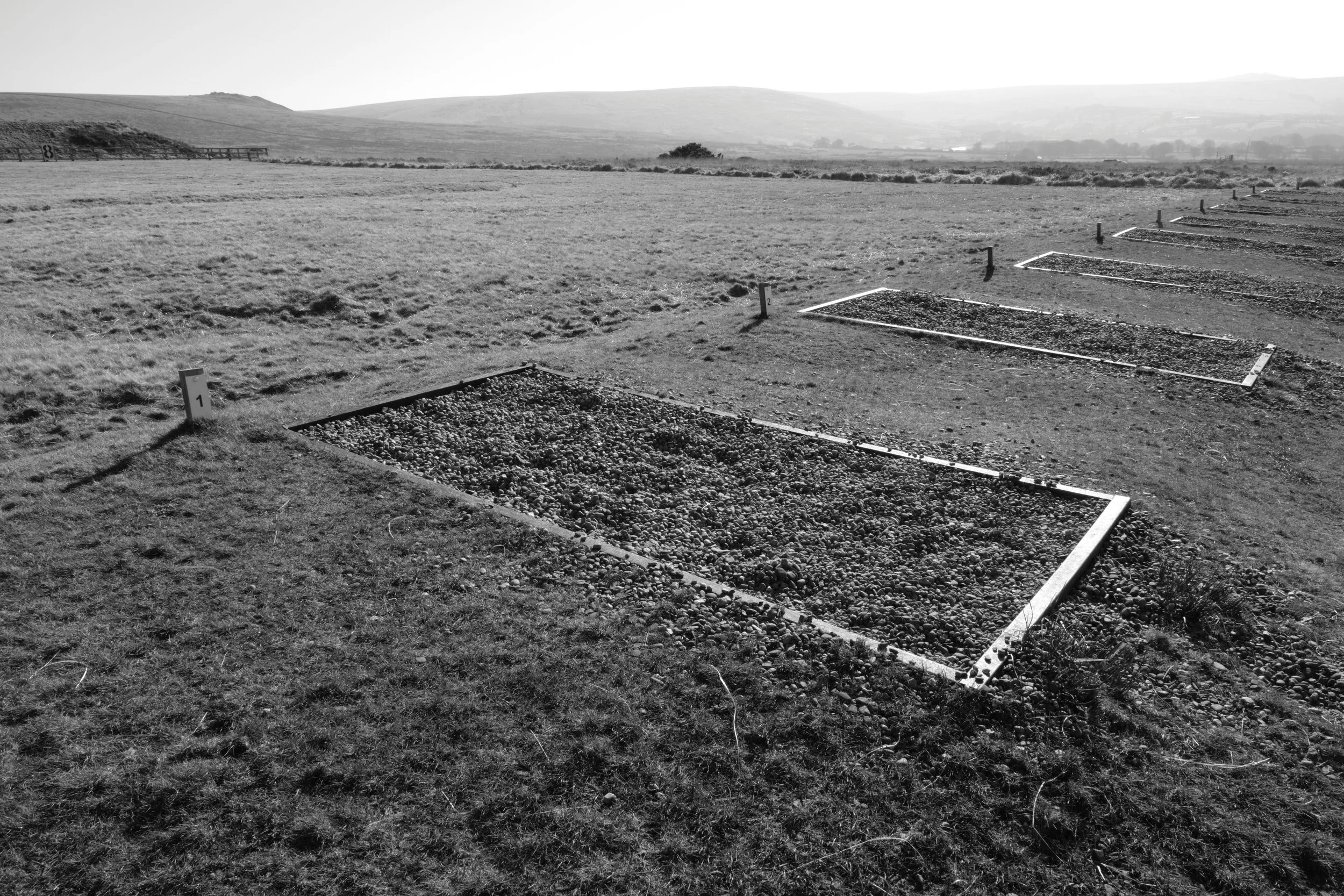
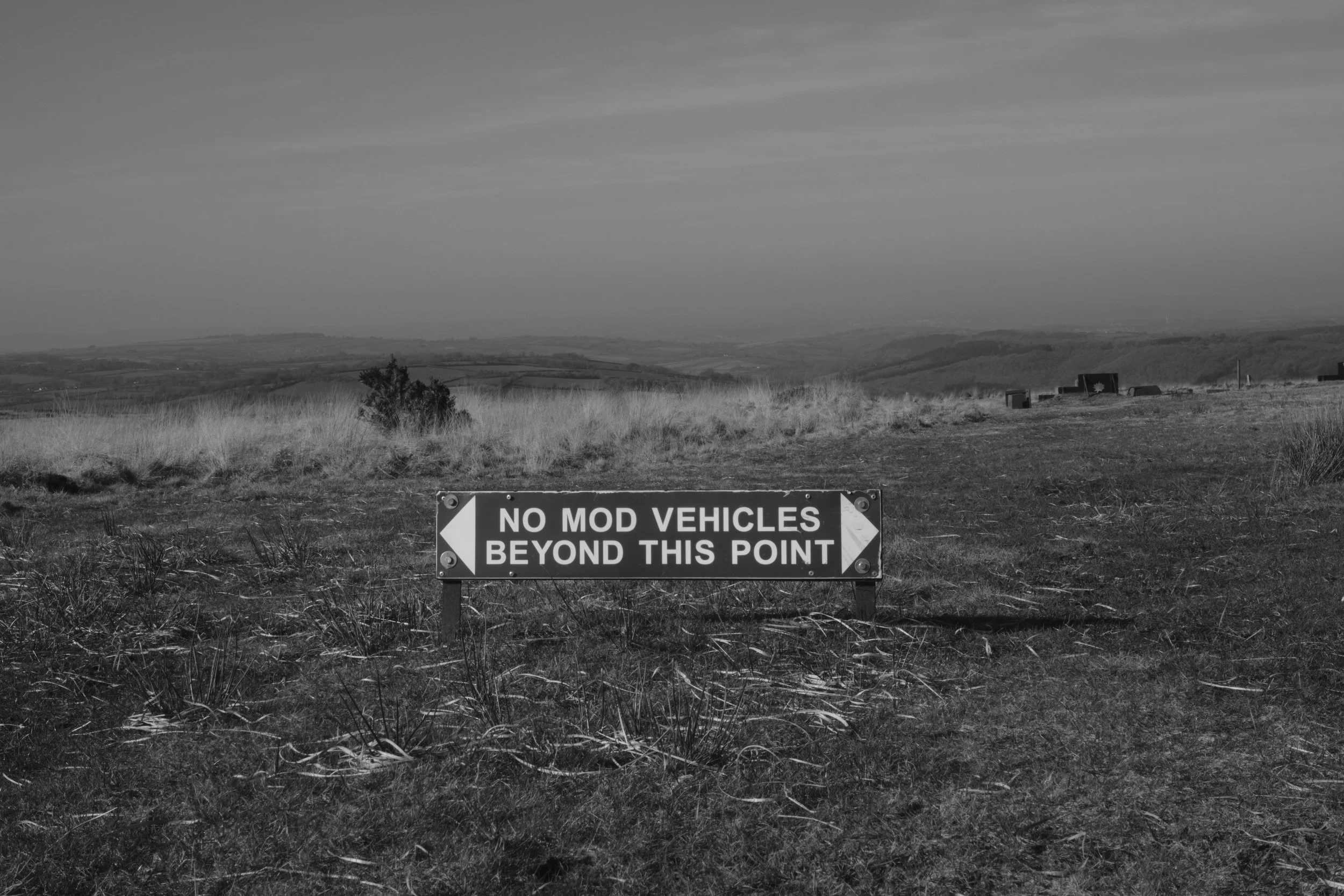
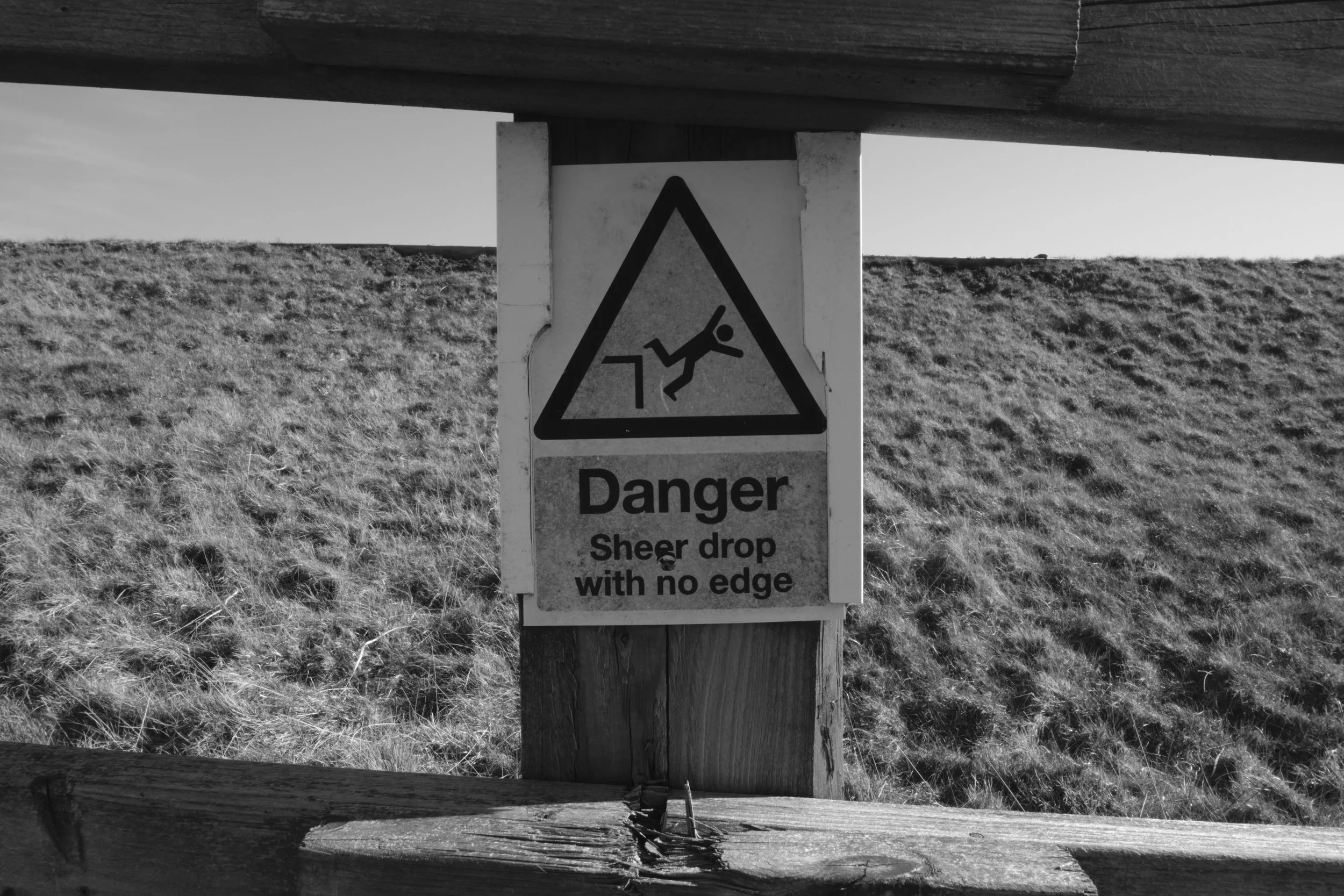
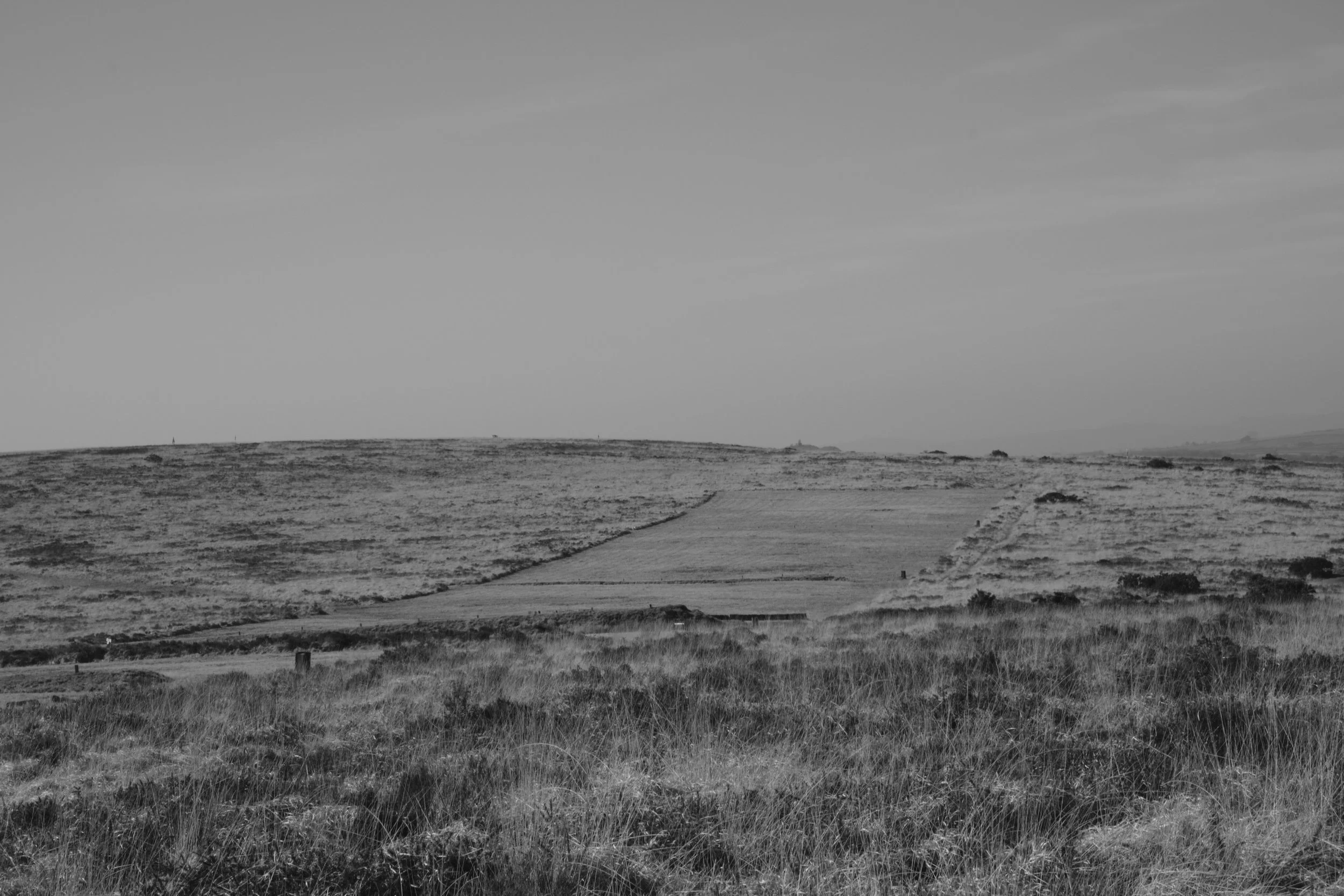
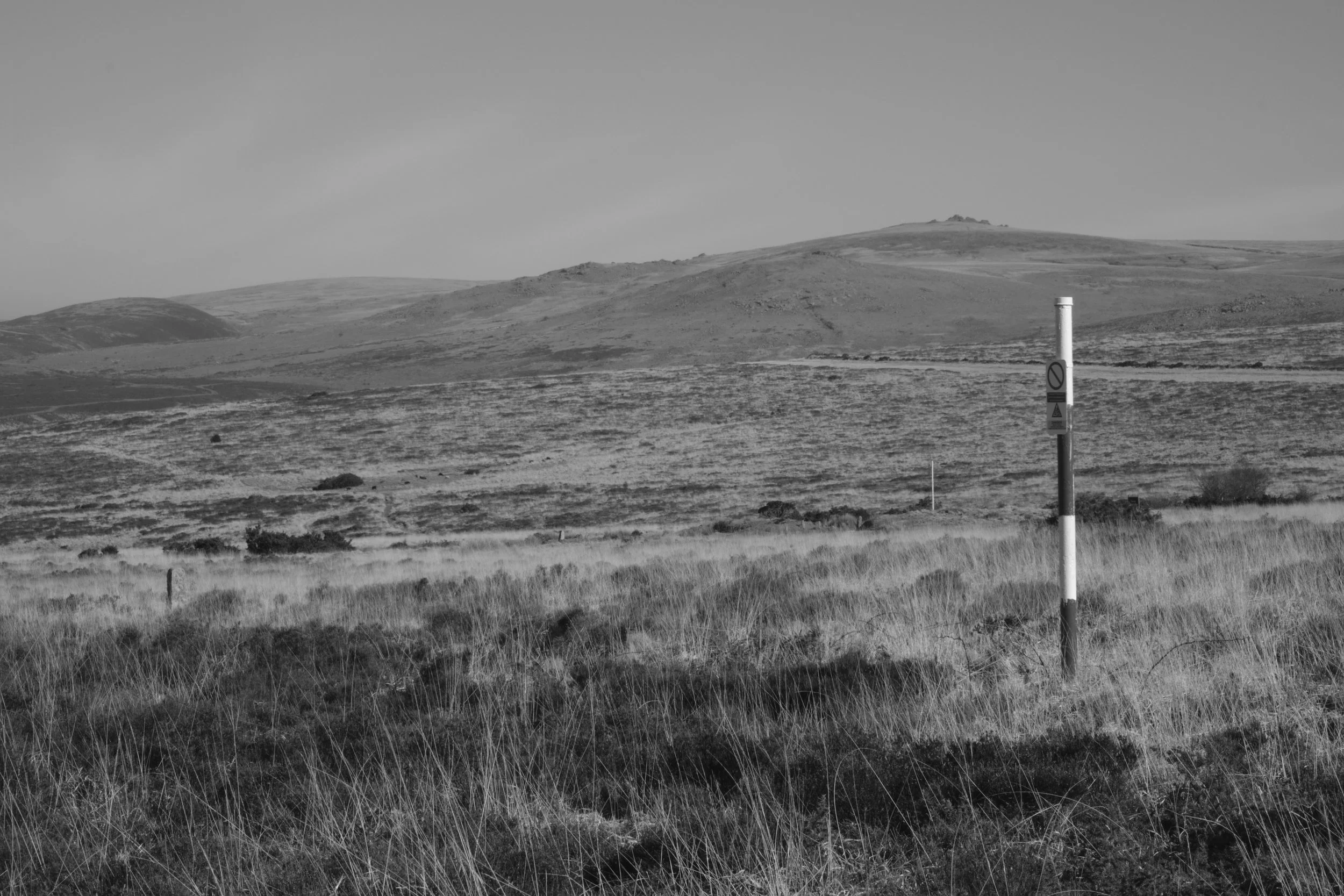
Willsworthy Firing Range is an area that heavily displays Dartmoor’s militarisation as it is used for armed forces training. The eeriness of the location that was used not 24 hours earlier for firing is quite daunting and navigating through this landscape alone filled me with fear for what I might discover. I had the impression that this series would also help to fill in some of the gaps of the Dystopia narrative. I initially struggled to get my head around the idea of making this setting eerie because the sun was out and the conditions therefore weren’t in my favour, however the silence that this place exudes makes it scary in its own right. It looks like it should be a hive of activity and in reality it is silent and empty.
The Track to the Electronic Moving Target came with a couple of warnings about the location along the way on signs as well as splitting off to other points of interest such as the small flow of a stream and stone markers engraved with writing. The red flags were nowhere to be seen so it’s assumed that everything is safe, but how does the “wanderer” know this? If there is no other life then the flags won’t be out so it could be luring them into a false sense of security and end up trapping them or even killing them. The Electronic Moving Target itself consisted of large huts in between a moving conveyor belt where the targets would ordinarily be held and moved along at varying speeds. There was also a warning signpost regarding MOD vehicles not having access beyond a certain point. The issue with the signpost is that a location could well be defined from this as Britain. I am a British photographer shooting at a location in the UK so it is likely that someone could make that connection and suggest that my work is based in the UK. However, dystopian literature and government departments have ministries for all sorts of things. A prime example of this is in George Orwell’s 1984 where there is a “Ministry of Love” and a “Ministry of War” - it is all dependent on the audience’s background for how this is interpreted.
I experimented heavily with my aperture at this location on my camera. As I didn’t have any neutral density filters I have had to adjust accordingly so that the sky was not overexposed on a perfect sunny day like I have struggled with on past shoots. I managed to find a good balance here though where I exposed the sky correctly but the targets and huts have managed to remain visible. I came across some bullet casings in troop trenches from training the day before that I ended up taking home with me. It got me thinking about presentation again and whether the casings could serve a purpose. This would require them to be viewed through the lens of a magnifying glass in an exhibition space and add a different dynamic to viewing them than the traditional frame on a wall approach.
The troop trenches were interesting because they reminded me of some kind of unmarked grave. This seemed fitting given that the whole area had the aesthetics of a battlefield to simulate the terrain of a warzone as closely as they could to a proper combat zone but the question is, if they are graves then who buried them? The area seemed to signify conflict above all else which can lead to it being a problem for the wanderer. They have conflict in their mind and what to do about it but they also have to navigate a landscape littered with a history of conflict too. The troop shelter was located off the main track so I had to make a diversion in order to get there. The fact that it wasn’t located on the main track and was out of view unless going off road was a signal to me that the safety and wellbeing of the troops to gain shelter wasn’t prioritised. If it was then the shelter would’ve been in a more accessible area. It seems like it’s been put here so the person who finds it can gain some kind of accolade in finding it of their own accord. It was locked on arrival so I couldn’t enter but I still documented the outside of it. I was slightly underwhelmed and disappointed that I couldn’t enter because my legs were tired and I had gone out of my way to go here before visiting the other points of interest at the firing range. There were warning signs over it warning of a sharp drop from the top and a sign directing me to the shelter (only found slightly further off the main track rather than next to it). The excitement that had originally built up from finding the shelter sign soon dwindled when I finally made it and discovered it was locked. It felt like I had deliberately been given hope so that it could be taken away as some kind of cruel joke. It could also have been a message that life is cruel and you never get what you want from it, even if you put in the effort to get a positive outcome.
At the fixed range I noticed a lot of signs being used as markers. There’s a saying that “what makes a good soldier is the ability to blindly follow orders” and this seemed to be the case upon this location’s evidence. The signs marking where to shoot weren’t shaped in the traditional shape one would associate a target to be (a circle or a human shaped cut-out) - they were actually the number which corresponded with the lane the soldiers had to run down and shoot at from a predetermined distance away, which was also marked by a sign. I soon realised that nothing was actually stopping the soldiers from setting up their weapon from past the marker and shooting at it from closer, other than discipline and order. But that is the difference between them and the “wanderer”. The “wanderer” lacks discipline as he wanders blindly rather than following a route and makes their own inaccurate system of mapping of where they’ve walked, but is this actually evidence that they are better than the soldiers? After all, the “wanderer” exists in our narrative and there is no physical soldier in any of the documentation… it all falls back on this notion of black and white thinking. They can only conclude that one of them is good and one of them is bad - there is no possibility in the “wanderer’s” mind where both them and the soldiers are good. It is about our interpretation of what is good and what is evil.
Looking in the opposite direction to the target, I spotted a solitary house on its own in the middle of a field. I’d imagine this would be a terrifying place to live on your own. The fear of being so close to the firing range and potential death from one stray bullet ending you, or being alone there in the middle of the night would be an otherworldly experience. The “wanderer” might see this as some kind of reprieve from the constant feeling of not fitting in amongst this new landscape. Being away from society might help them as being hidden away from a world that is silent and unrelenting means they have less chance of being hurt. The landscape itself was full of open flat ground in the surrounding area. What direction would lead the “wanderer” away from the conflict zone? The need to escape was urgent given the evidence of conflict in the area like bullet casings, bullet holes, and the firing range but stepping into live fire because they are unable to navigate the right way would be pretty bad.
12. Okehampton Danger Zone
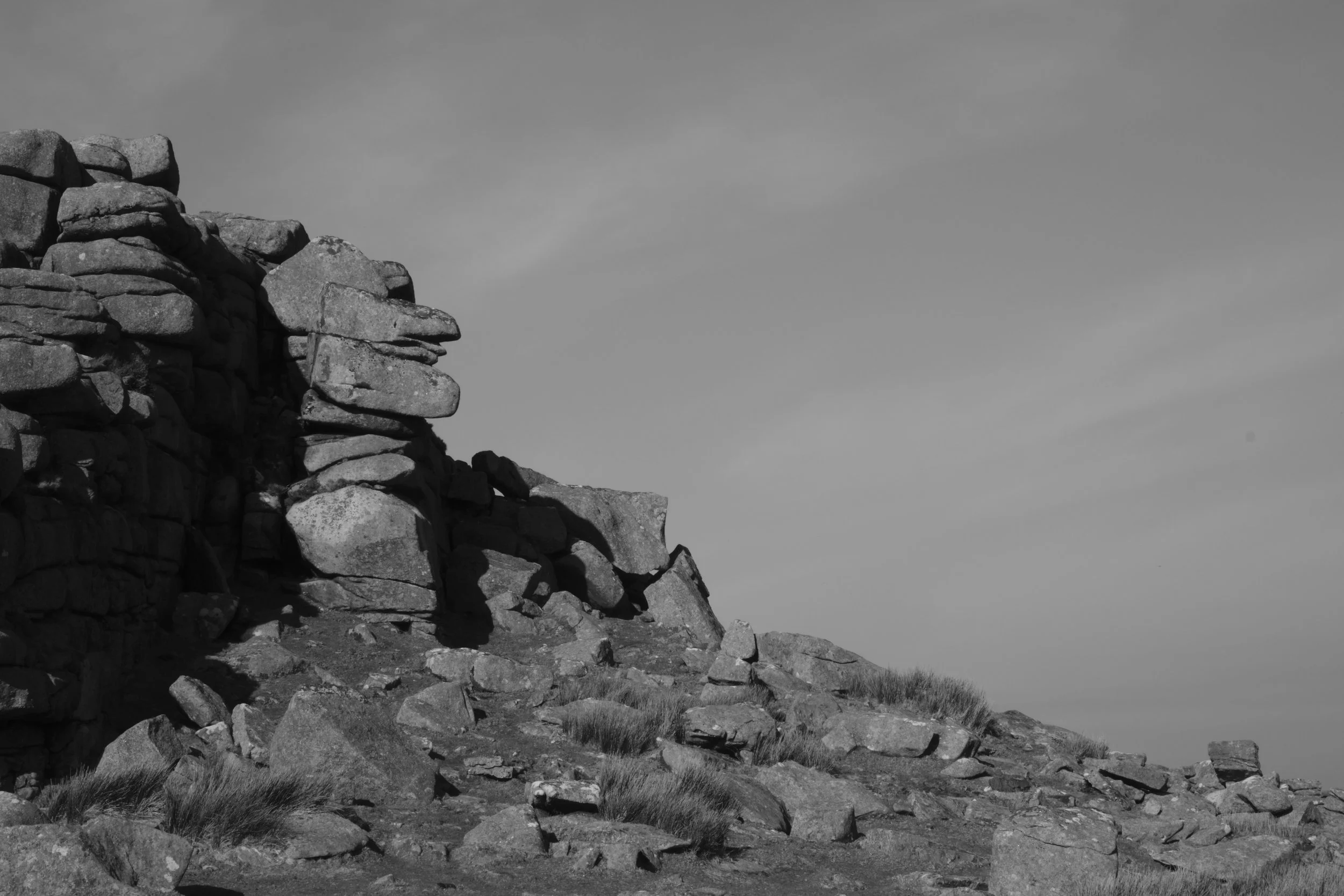
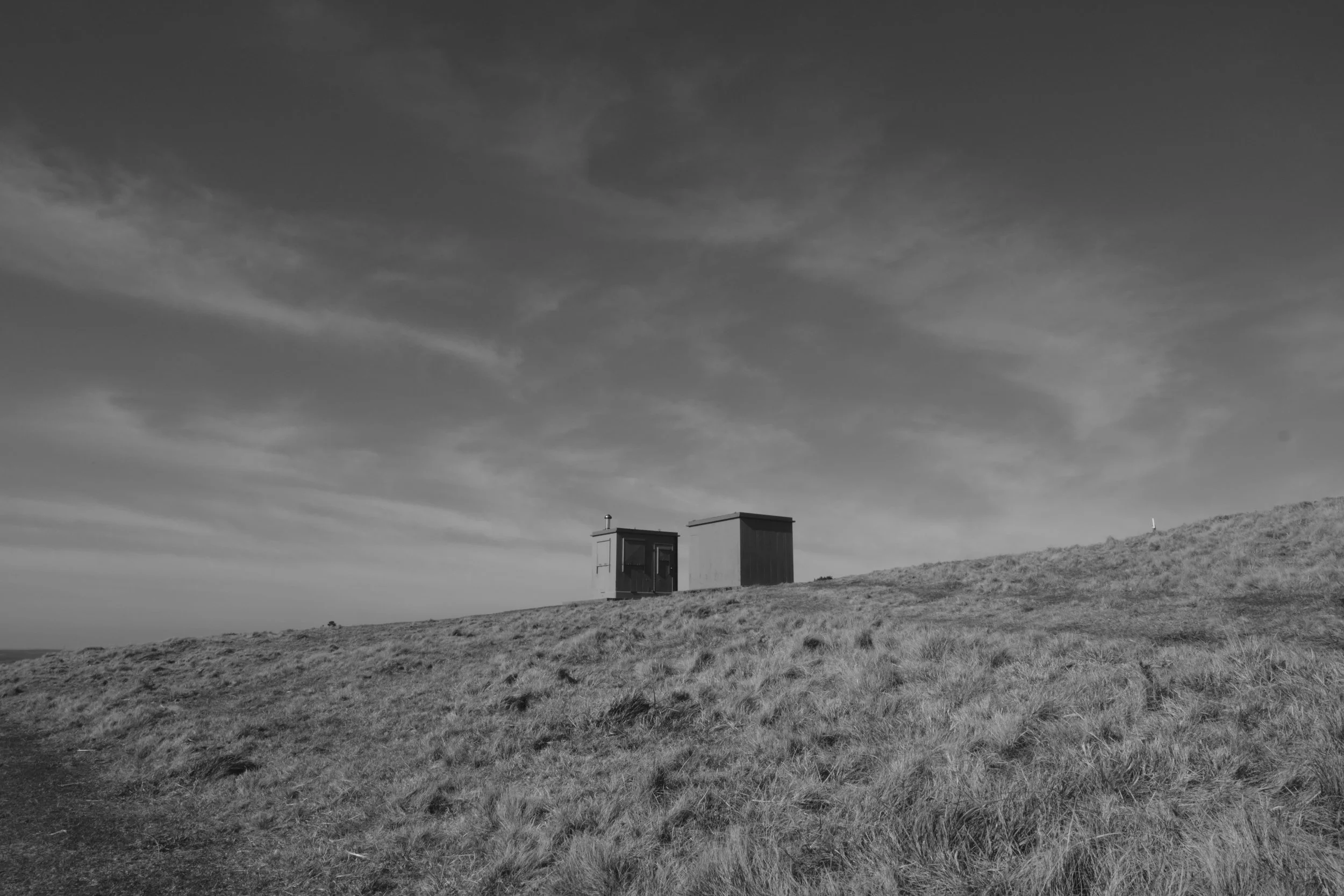
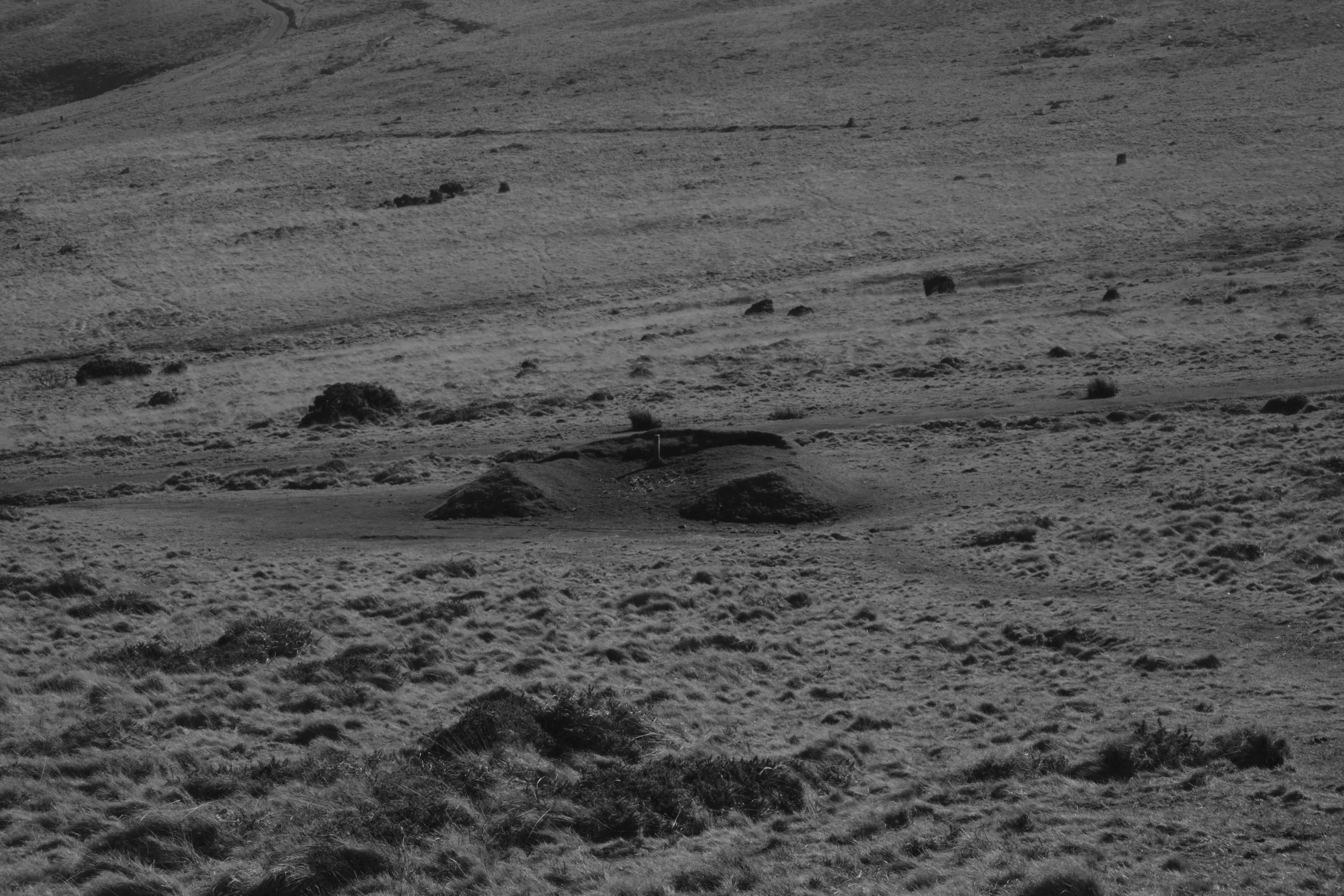
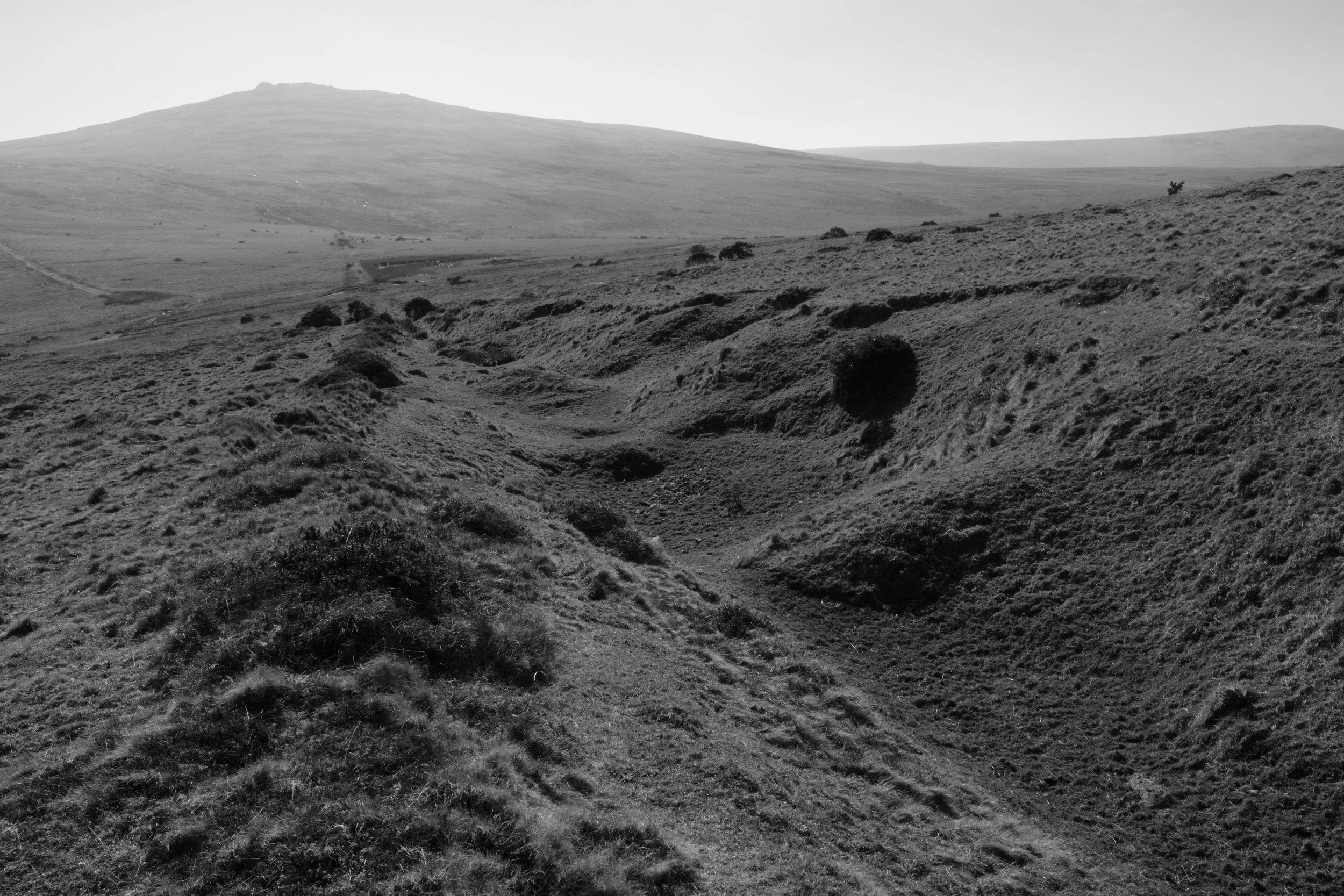
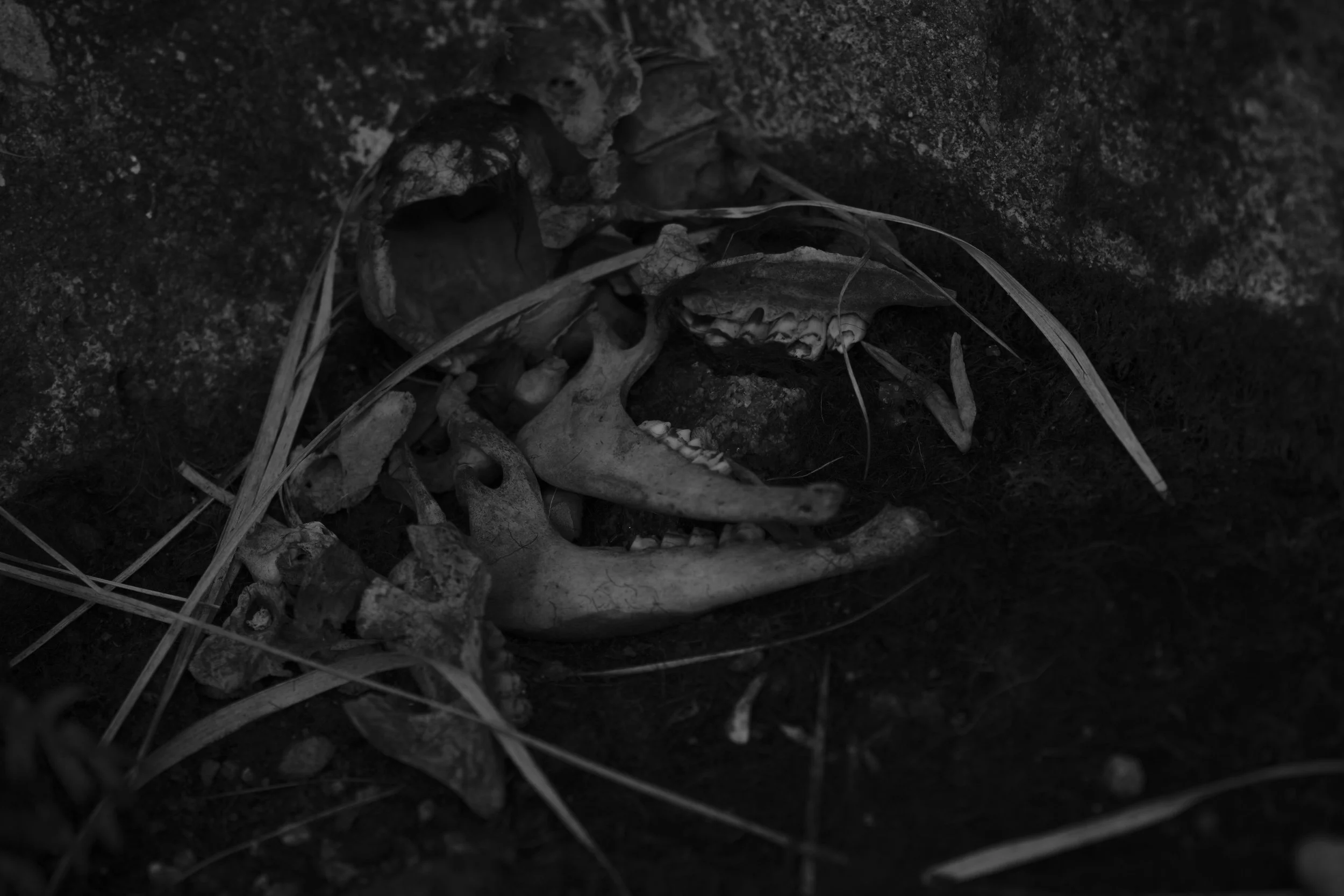
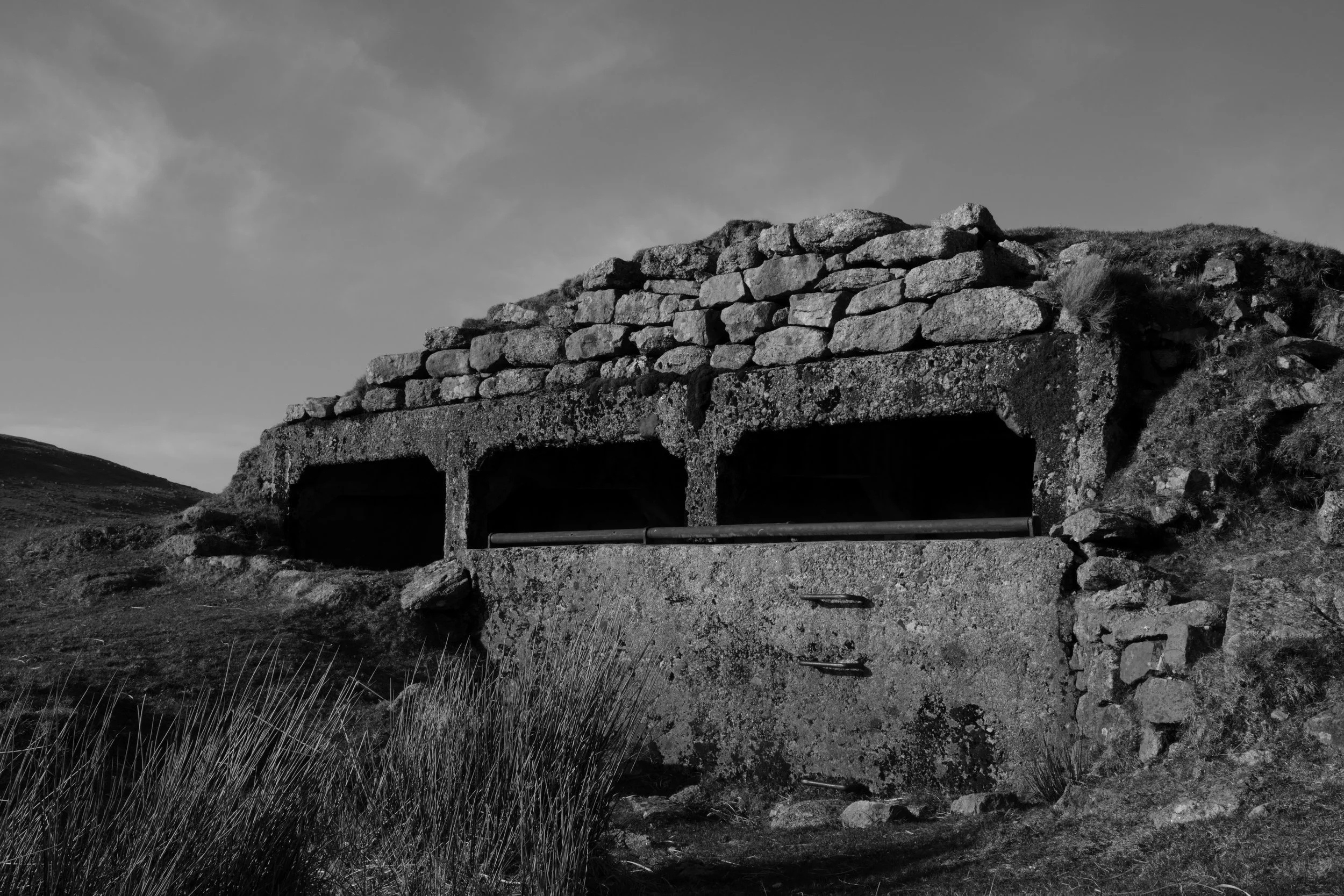
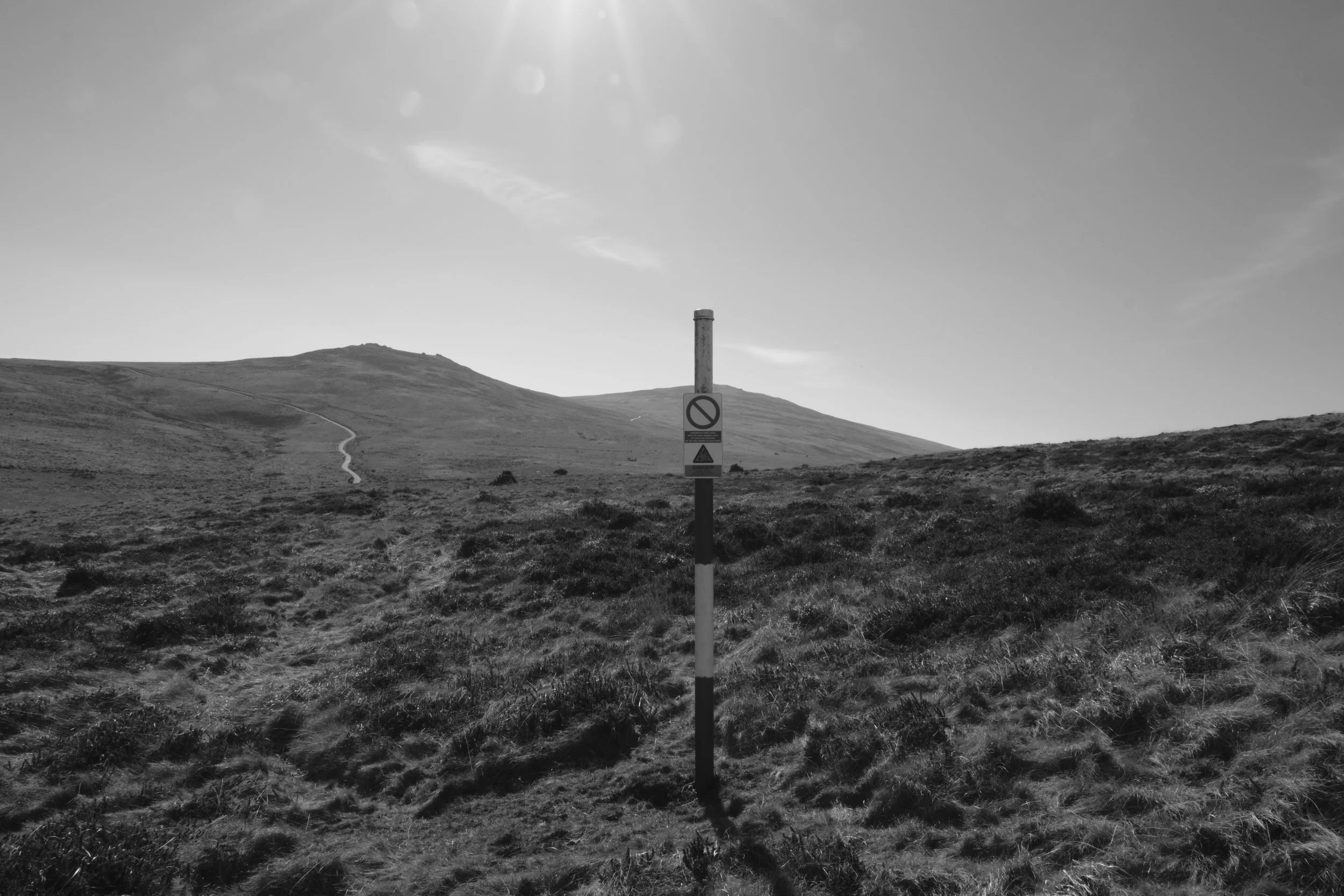
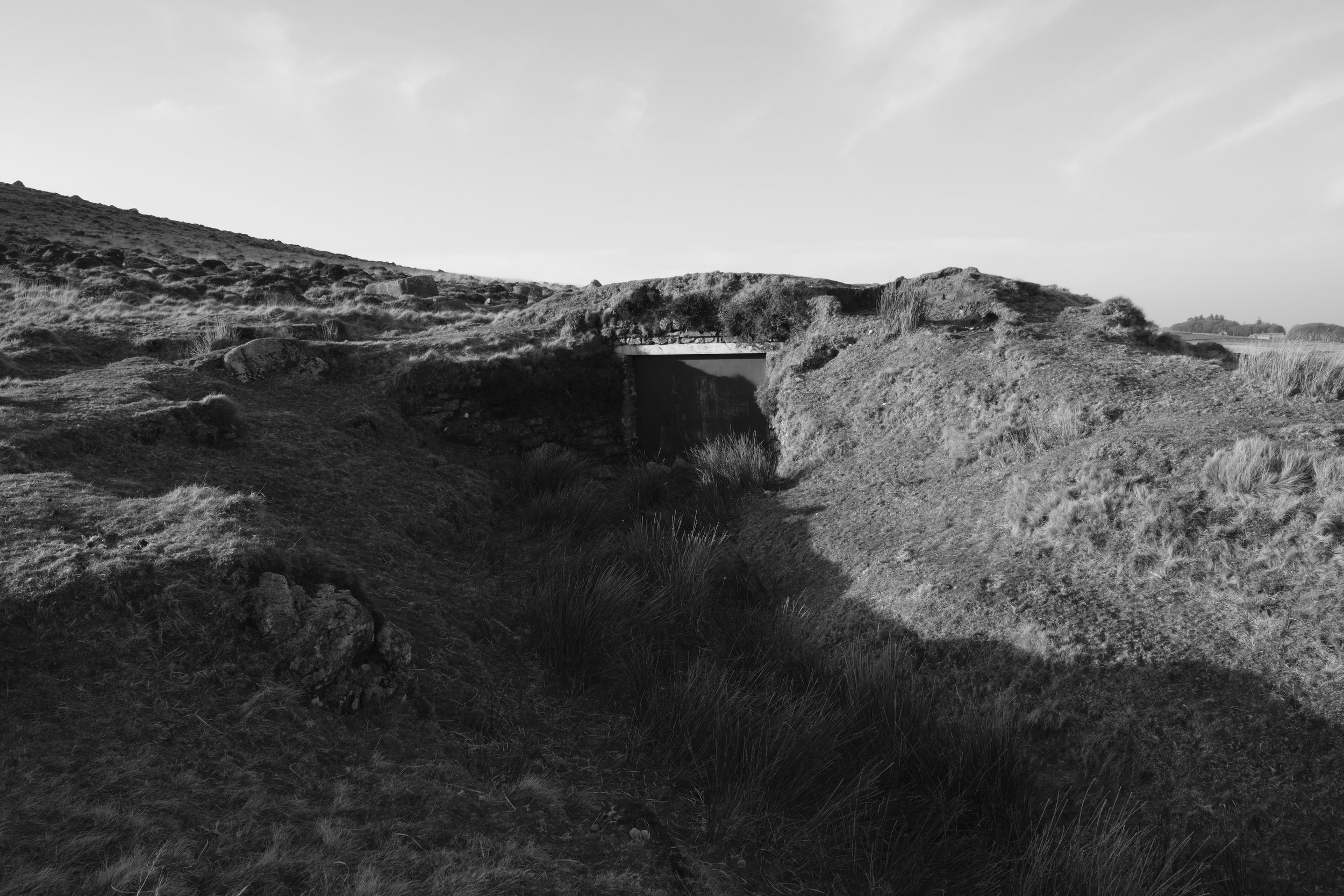
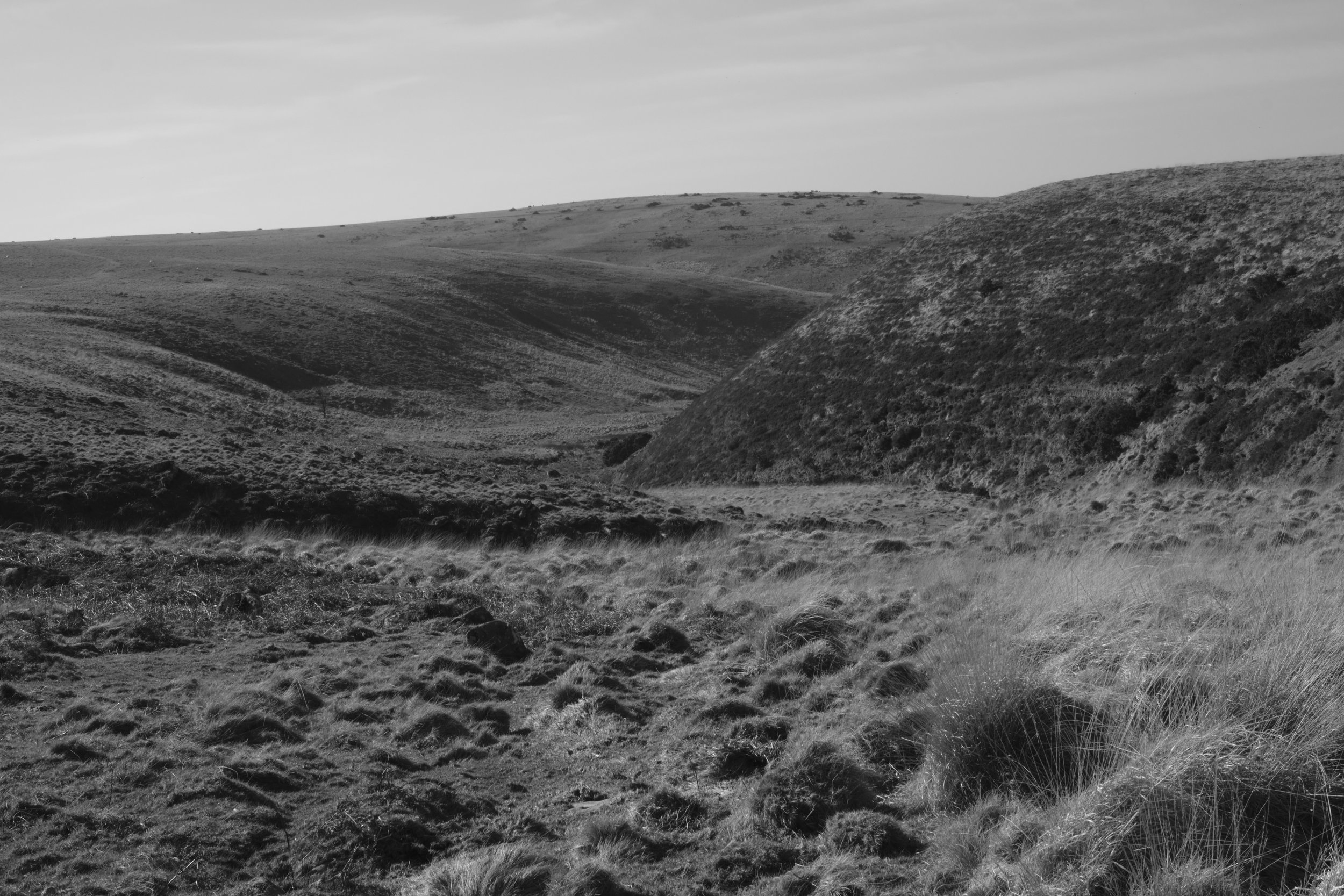
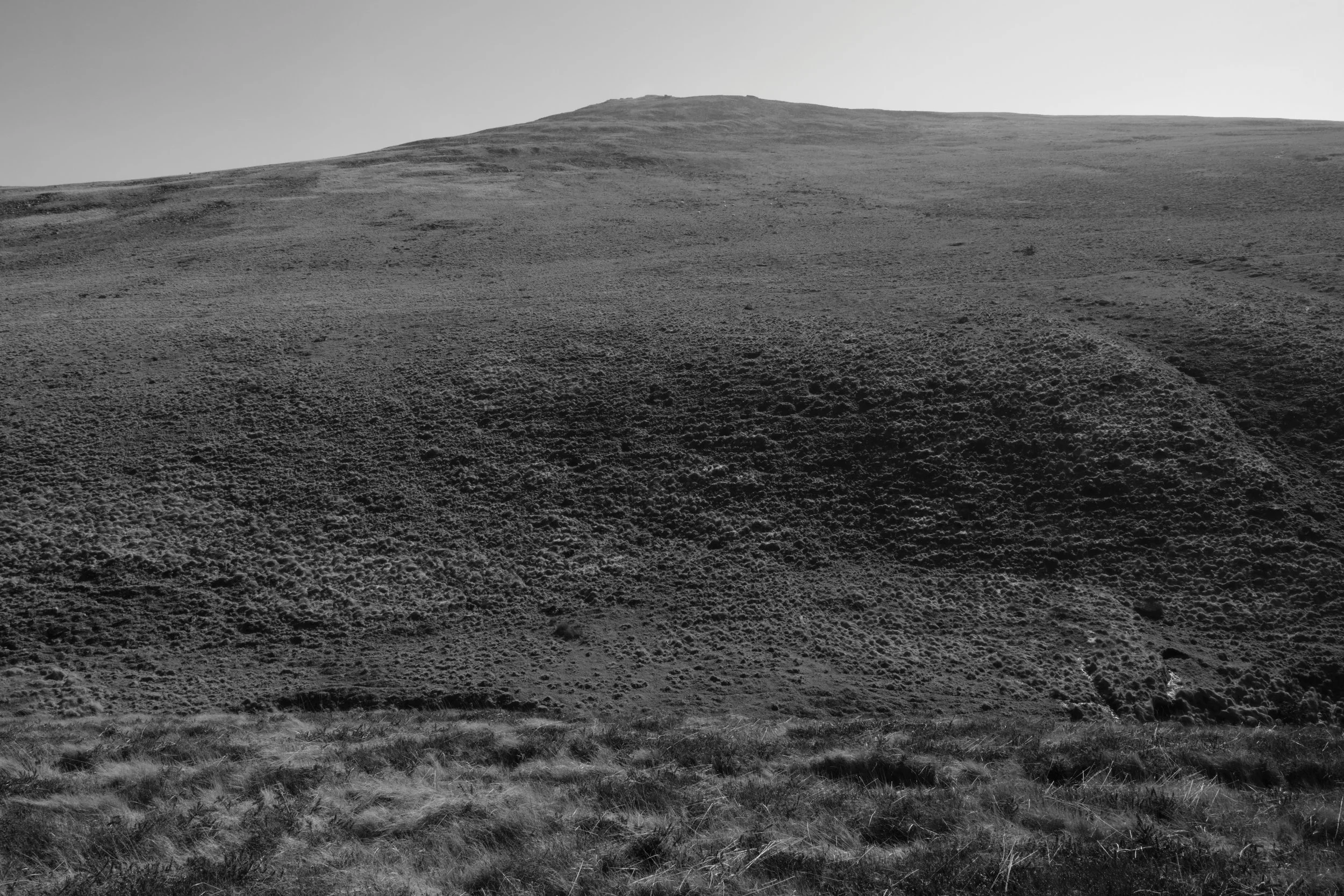
Okehampton Firing Range is a larger area of land than Willsworthy and the evidence of militarisation is more spread out here as a result. This meant I had more opportunities to shoot something new here, en-route to the coordinates from Nicholas White’s book and the locations themselves. Even though both ranges are used for military exercises, they seem worlds apart in terms of combat approach and the type of training each location might provide. Willsworthy seemed to be more shooting focused with targets and firing ranges whereas Okehampton would rely on endurance and terrain.
The F Range Ramparts were relatively unremarkable from a distance but it was the simplicity of them that made them intriguing to photograph. On a quick glance one might think they were just mounds in the landscape and you have to really look to realise what they are. On approach they also have that appearance of an unmarked grave (similar to the troop firing positions at Willsworthy) and with the backdrop of the Tor, the landscape resembled a scene from Ancient Egypt rather than Dartmoor National Park. In terms of access this was the easiest observation post to access and shoot. The landscape around this area was littered with military observation posts for troops to shelter, fire, and watch from. One of the posts was relatively modern in comparison to some of the other posts that I came across later in the shoot. It had a signal post for mobile reception and a trailer outside that acted as a power supply. These features lead to debate whether the post is completely abandoned in the context of the dystopia narrative as someone has gone out of their way to provide a level of comfort in the form of power to the location. The fact that there is a signal post for mobile reception also suggests that there is a demand for some kind of connection with someone else that isn’t around but to make a call it of course requires two people… more than the “wanderer” thought existed in the world.
Observation Post 6 was hidden under a blanket of snow in Nicholas White’s The Militarisation of Dartmoor but it was exposed under the afternoon glow of my visit, hence the massive shadow covering the entrance. Getting to this location was tricky because there was no direct path to it meaning I had to climb a sharp incline to get there. The landscape did provide a fitting spot for it though as it looked like it belonged where it was, as if it was a natural part of the world and had grown out of the earth. The area was actually quite dangerous on approach. What wasn’t visible from afar was a massive ditch by the entrance and falling down this ditch would almost certainly lead to serious injury. If you fell in and broke your leg then there would be a slim chance that you’d get out due to the size of the area. It was effectively a trap, reminiscent of a guerrilla warfare tactic that the Vietcong and NVA might have used against attacking US forces in the attempted Vietnam invasion. The possibility that there might be more of these kinds of traps in the landscape meant the “wanderer” would need to proceed with more caution when exploring the area.
The second observation post was unusual due to the fact that it was open - the first two I went to were locked but this one looked quite simple to get into it. It was off the main path but it was easily accessible and it stood out in the landscape, as if it wanted to be found. From a military perspective it isn’t too discrete and not well fortified to defend but it is a prime location for the purpose of observation due to the view of the sweeping, vast landscape that it has in comparison to Observation Post 6, which was is a little more hidden away. The access was easy in terms of entering the observation post as a small ladder was attached to the outside to get in and it was easy to analyse the danger that the inside might pose from peering in to check the safety of it. This observation post looked promising in comparison to the relentless nothingness the “wanderer” is used to in terms of hope for experiencing some kind of rest - but will they end up being let down by the world again?
The Range Warden Shelters were found along the main path. Their purpose is to monitor live firing areas on Dartmoor and these specific shelters weren’t constructed on site - they were built at two separate locations then brought together on Dartmoor, flown in by helicopter. Even though I wasn’t doing anything wrong by being here on a non-firing day it was still unnerving to know that firing was still being undertaken at this location and that there was a necessity for an observation post to limit non-military personnel at all. Why do we need to be watched in an area which, to us, has nothing in it? Are they trying to stop us from finding something hidden in this landscape, or a secret? Our guess is as good as anyone else’s but we are not in control of the narrative of this location and not knowing the facts surrounding this place means that we are under control from the real architects who know what is happening so they can pull the strings to control the situation. It is how dystopian totalitarianism is established in literature - a ruling class or group who know the reality of a situation and what is going on use the facts they know as a form of controlling the population and presenting a lie.
13. Princetown
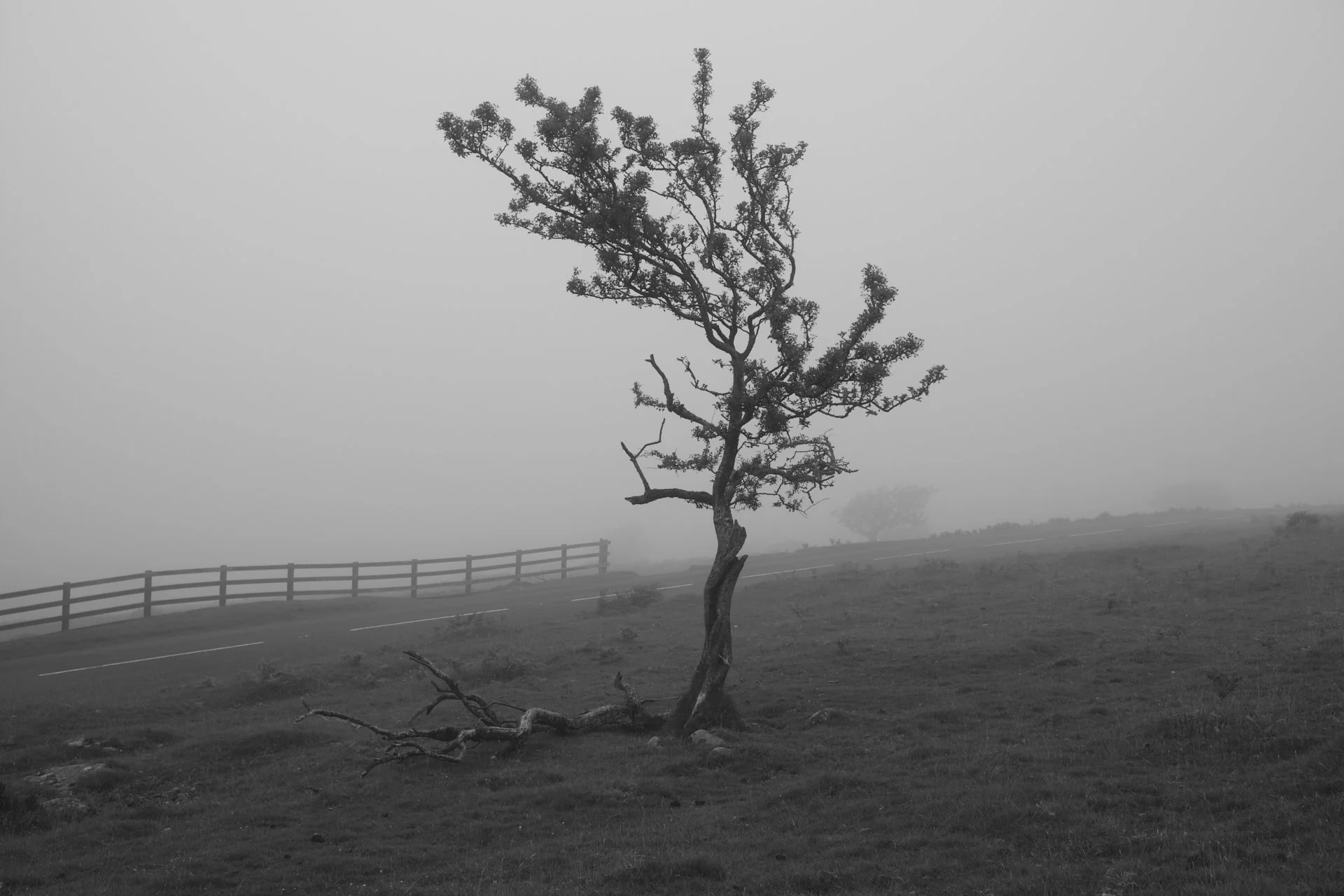
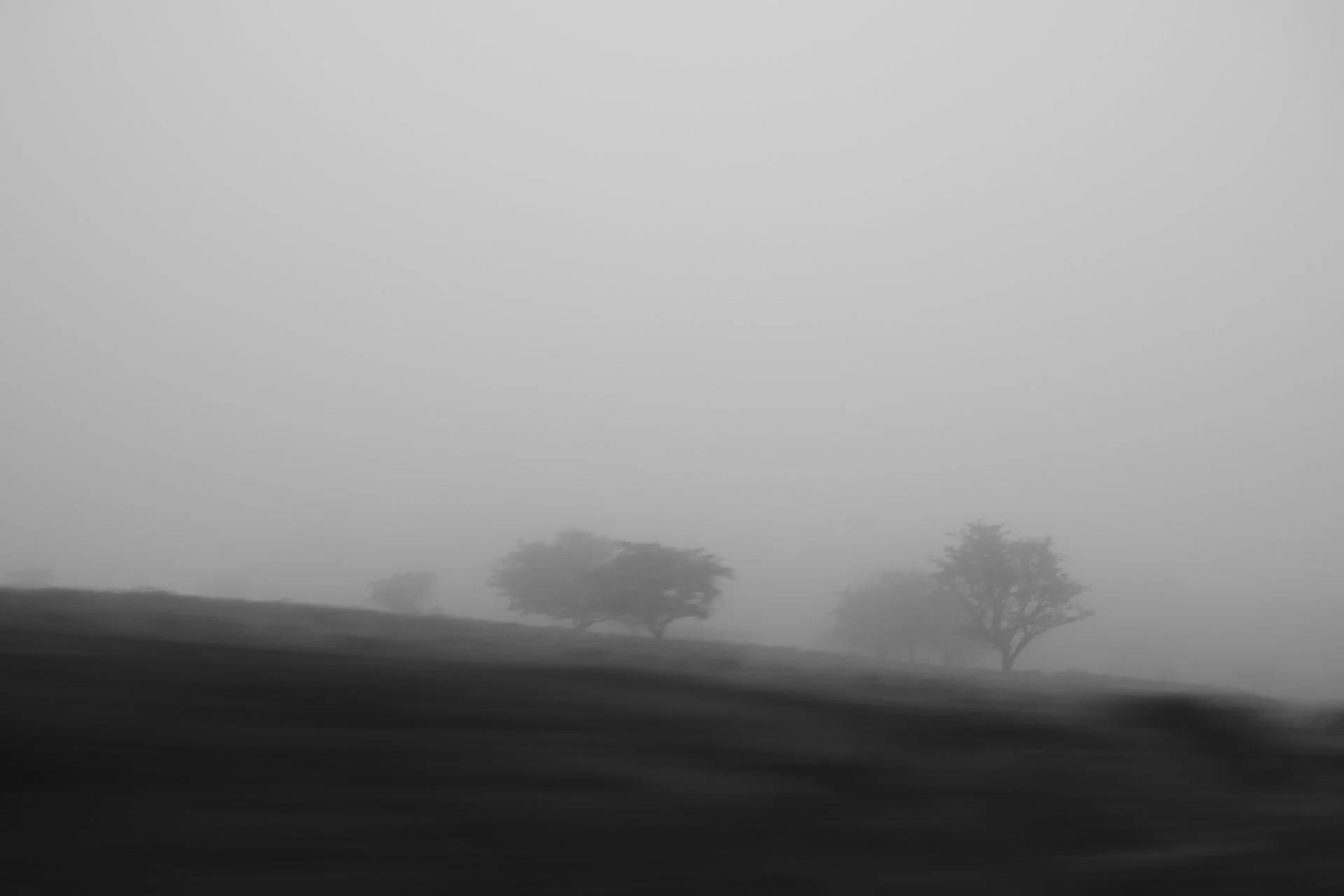
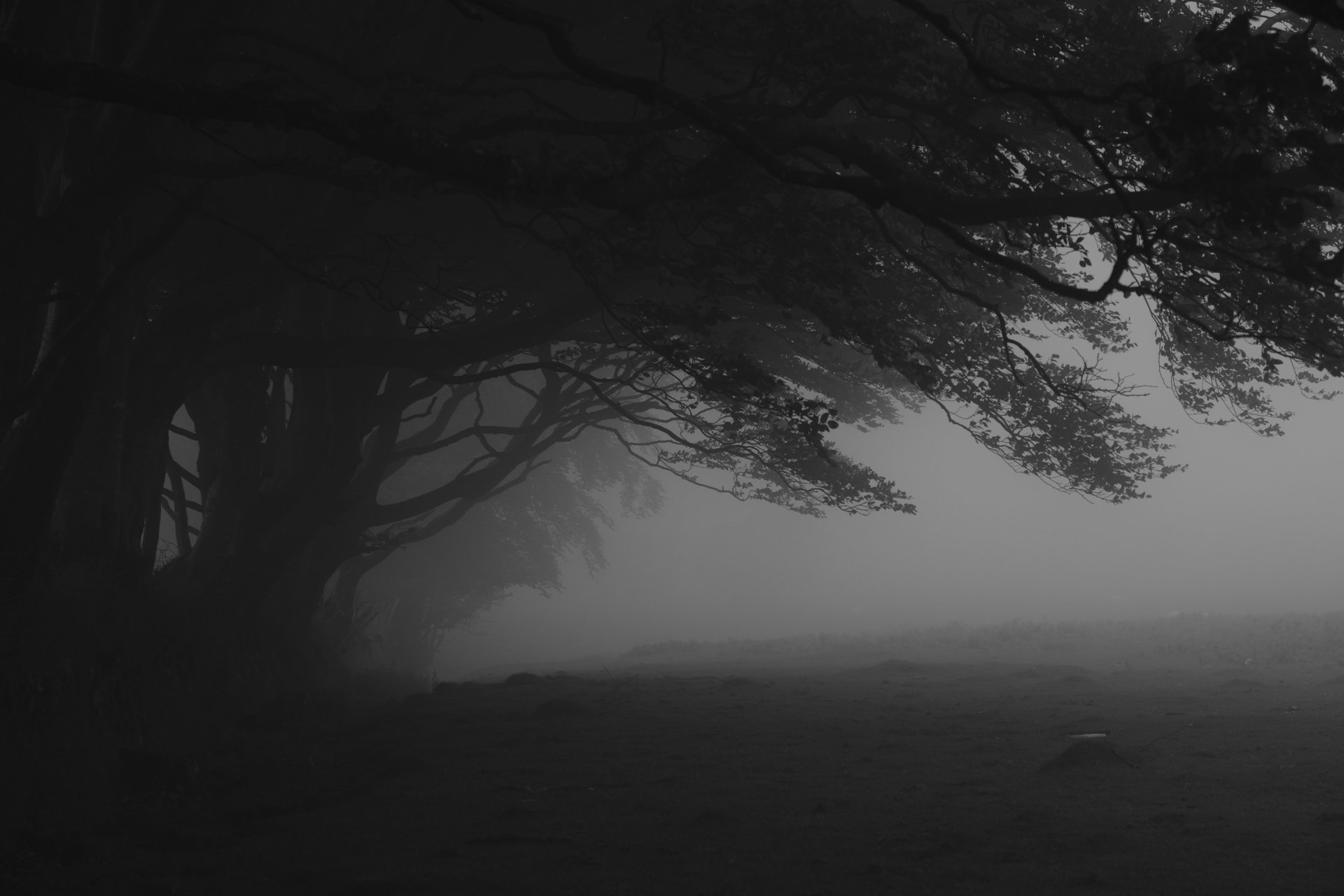
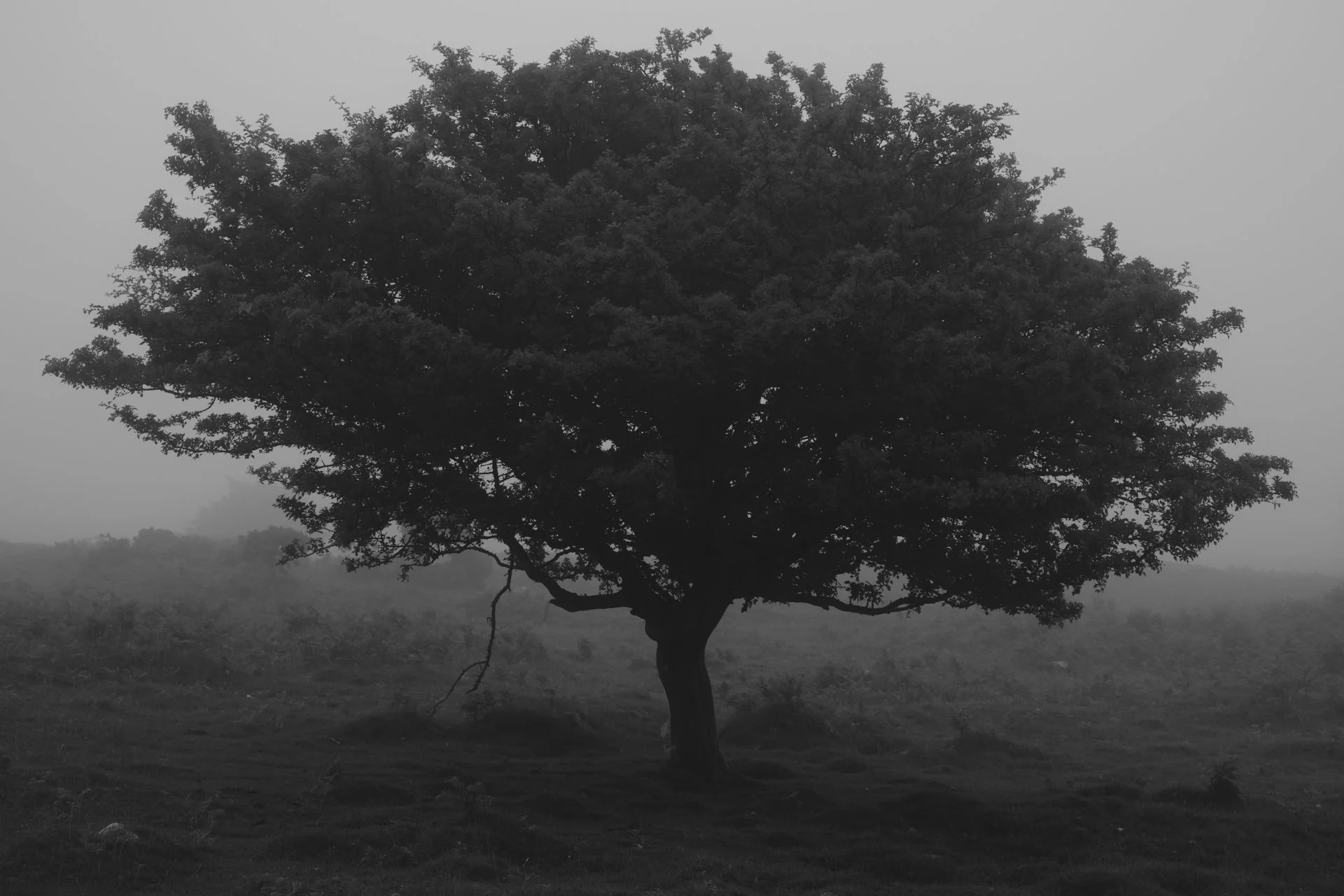
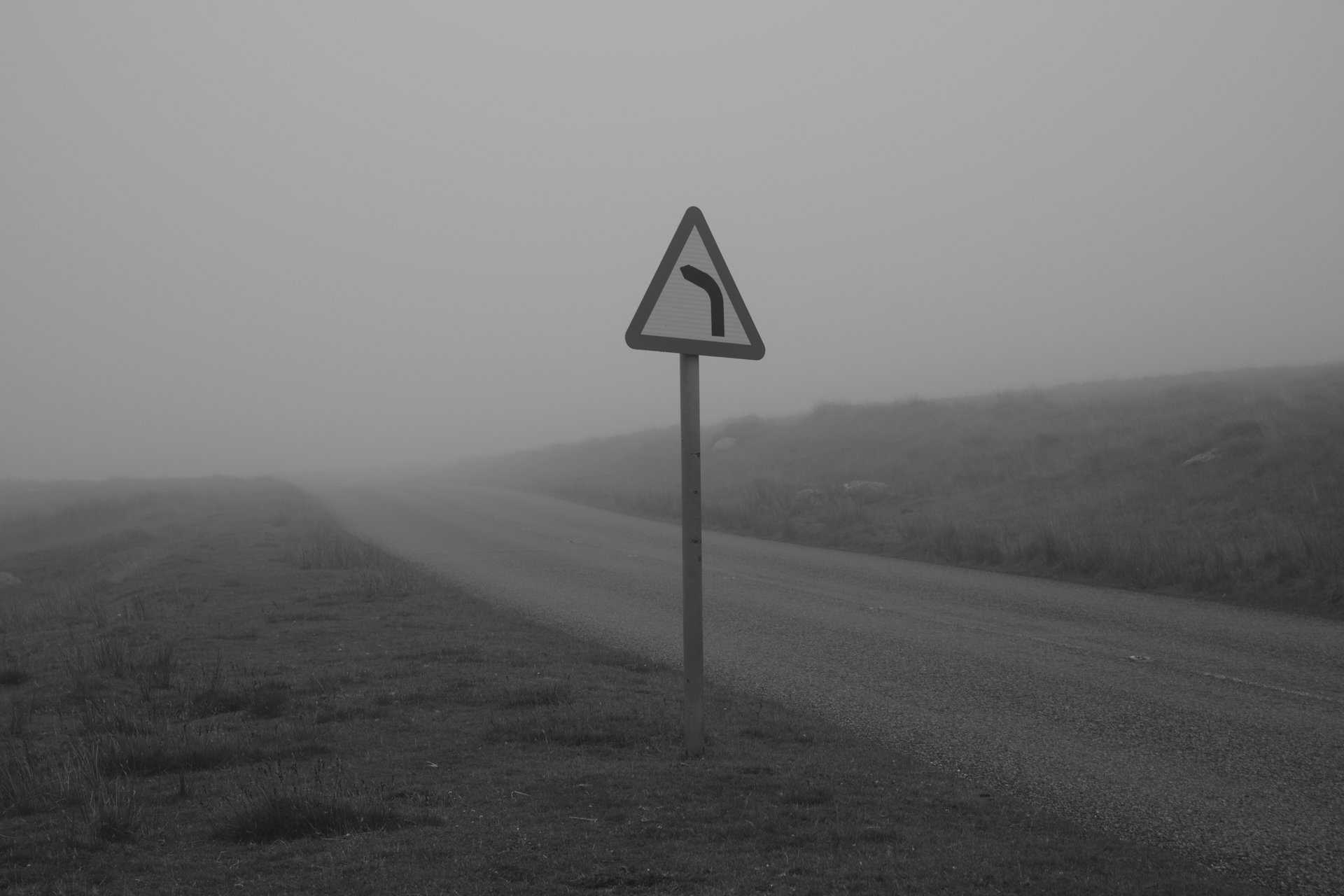
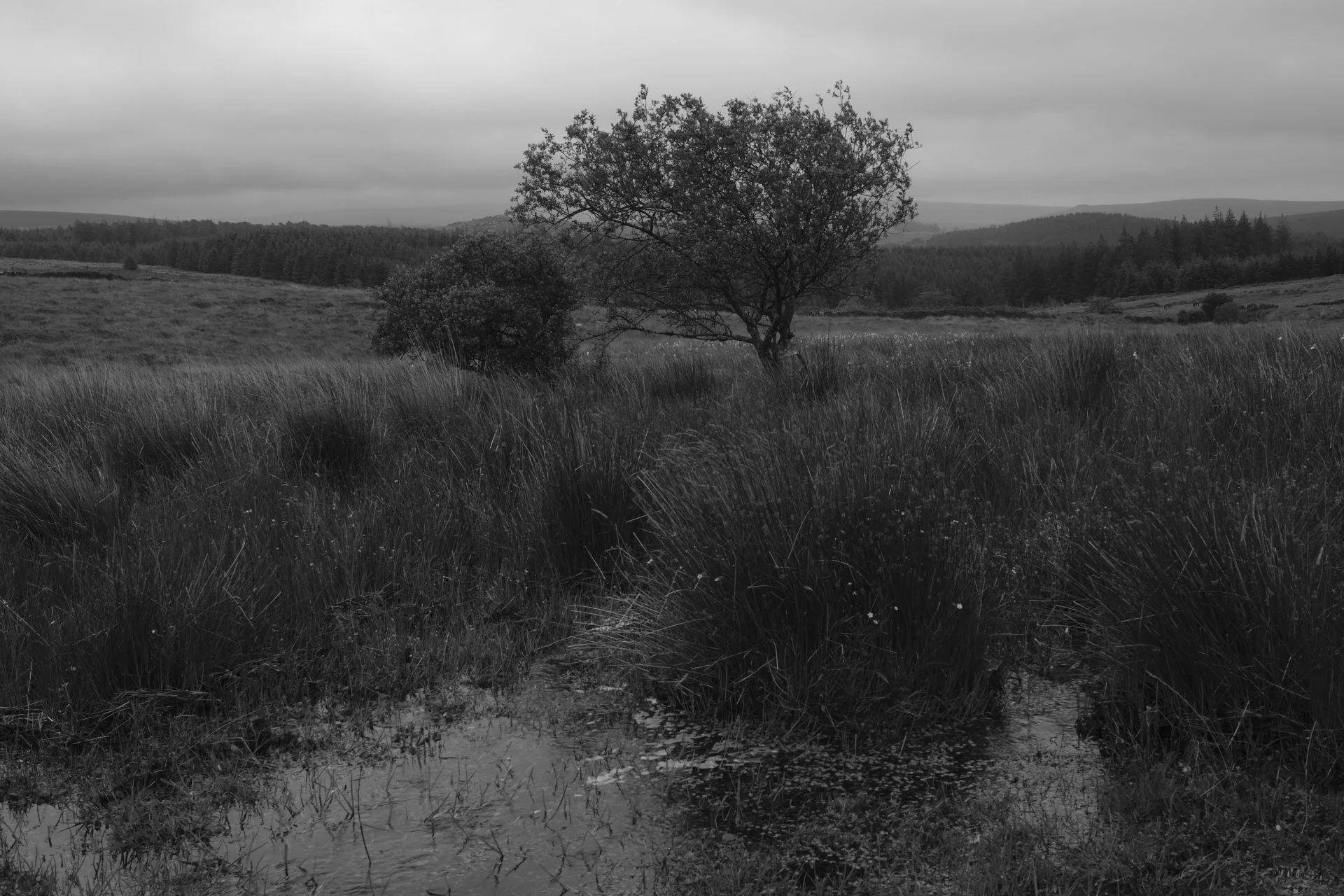
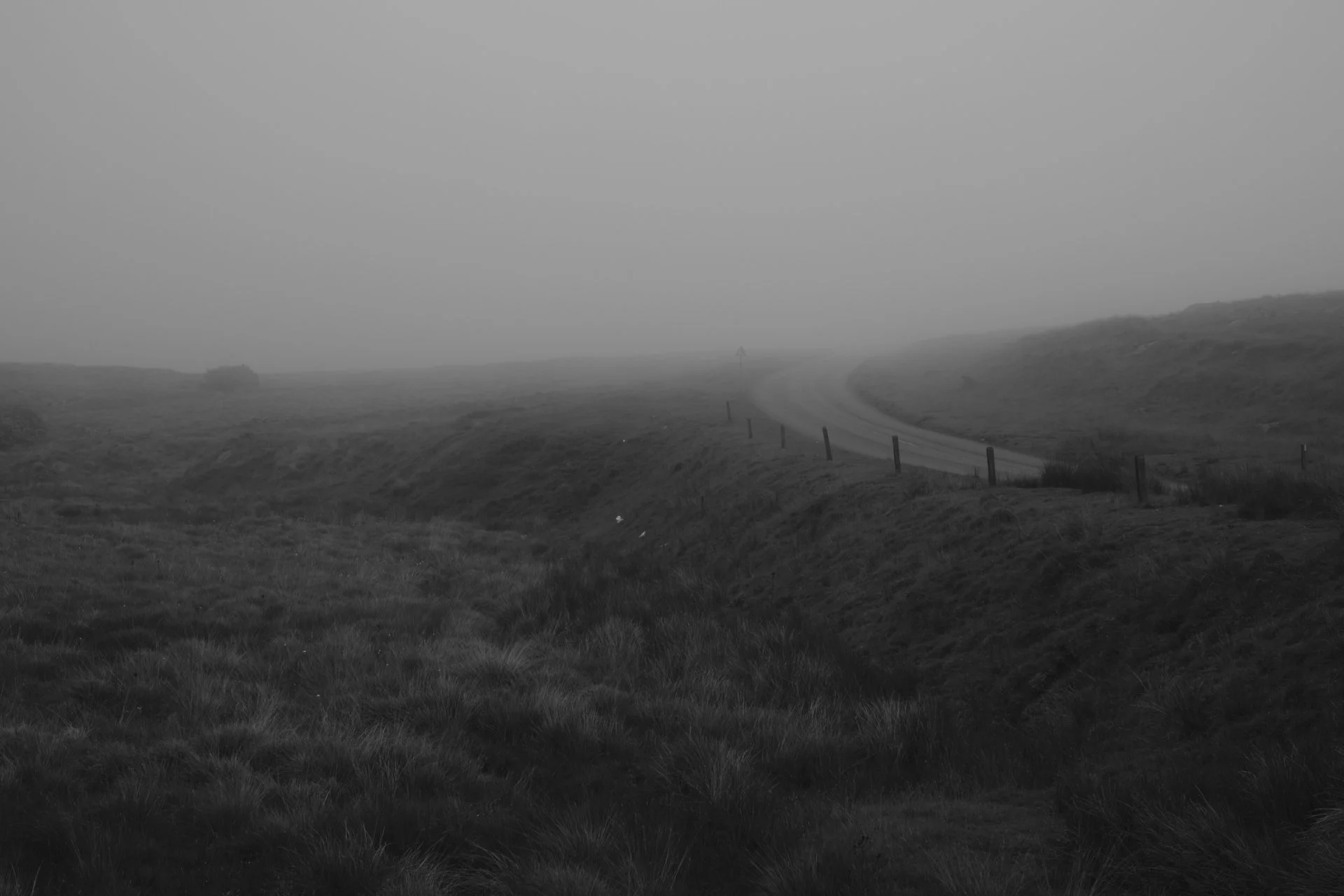

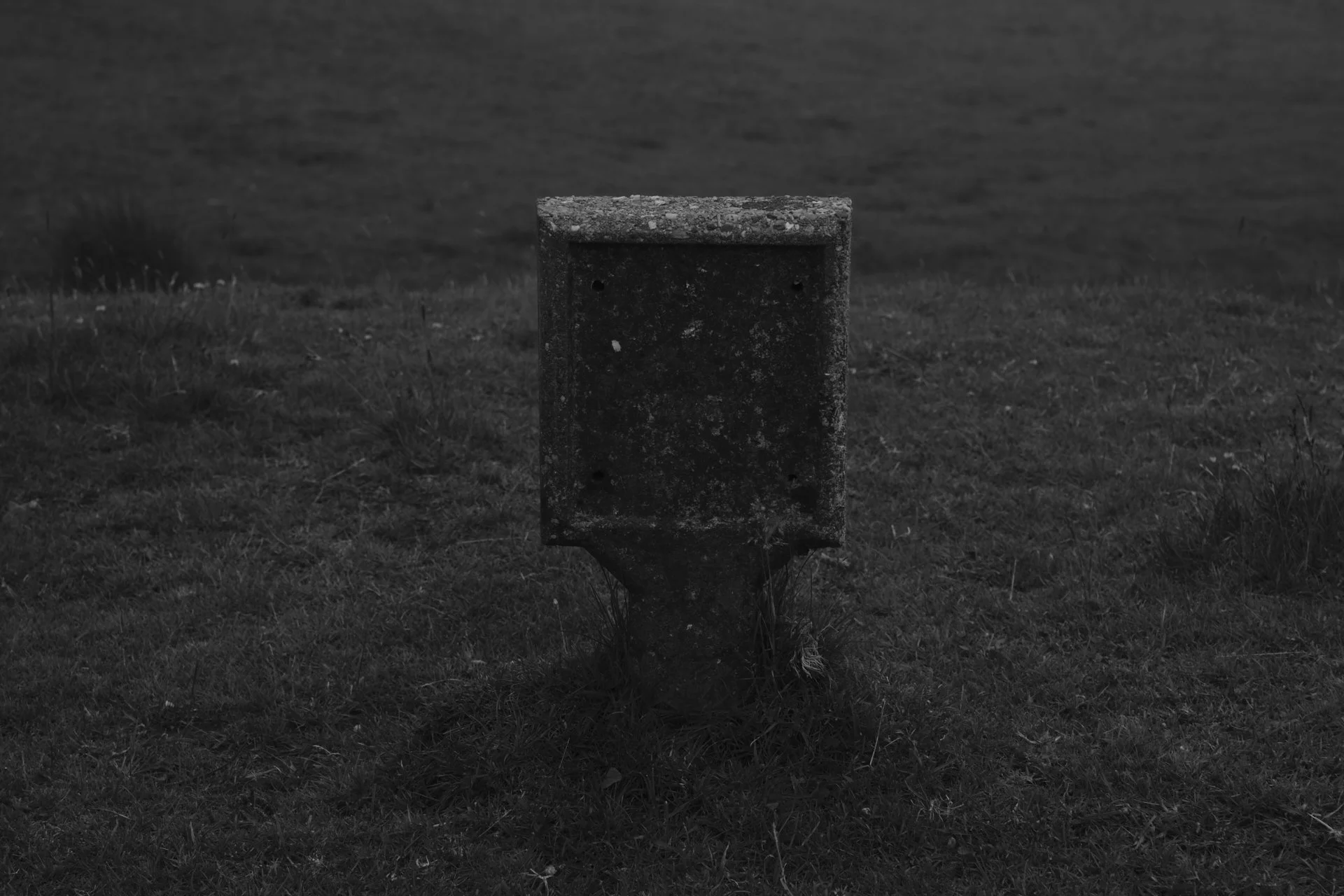
When driving to locations for all of my photoshoots to date I have usually had a plan in place. My research on each location is extensive to the point where I have at least a rough idea of what to expect at each location. On the way to such locations is a road connecting Plymouth to Princetown. I have always wanted to stop there and explore the surrounding area and I reserved some time to do just that. I was very much stepping into the unknown as I didn’t know what I’d find there but this connected better to my narrative of somebody being completely lost navigating the world they’d been placed in. I couldn’t plan for an area I knew nothing about which worked in my favour as I could be a lot more flexible with what I was looking for. I started with some traditional landscape shots that has provided the foundations of Dystopia to date. There wasn’t a lot in terms of detail in the landscape and, other than a forest, there weren’t many points of interest either. It showed that not everything in the world I have created has to be awe-inspiring and monolithic. It can also be intriguingly dull and ready for exploration.
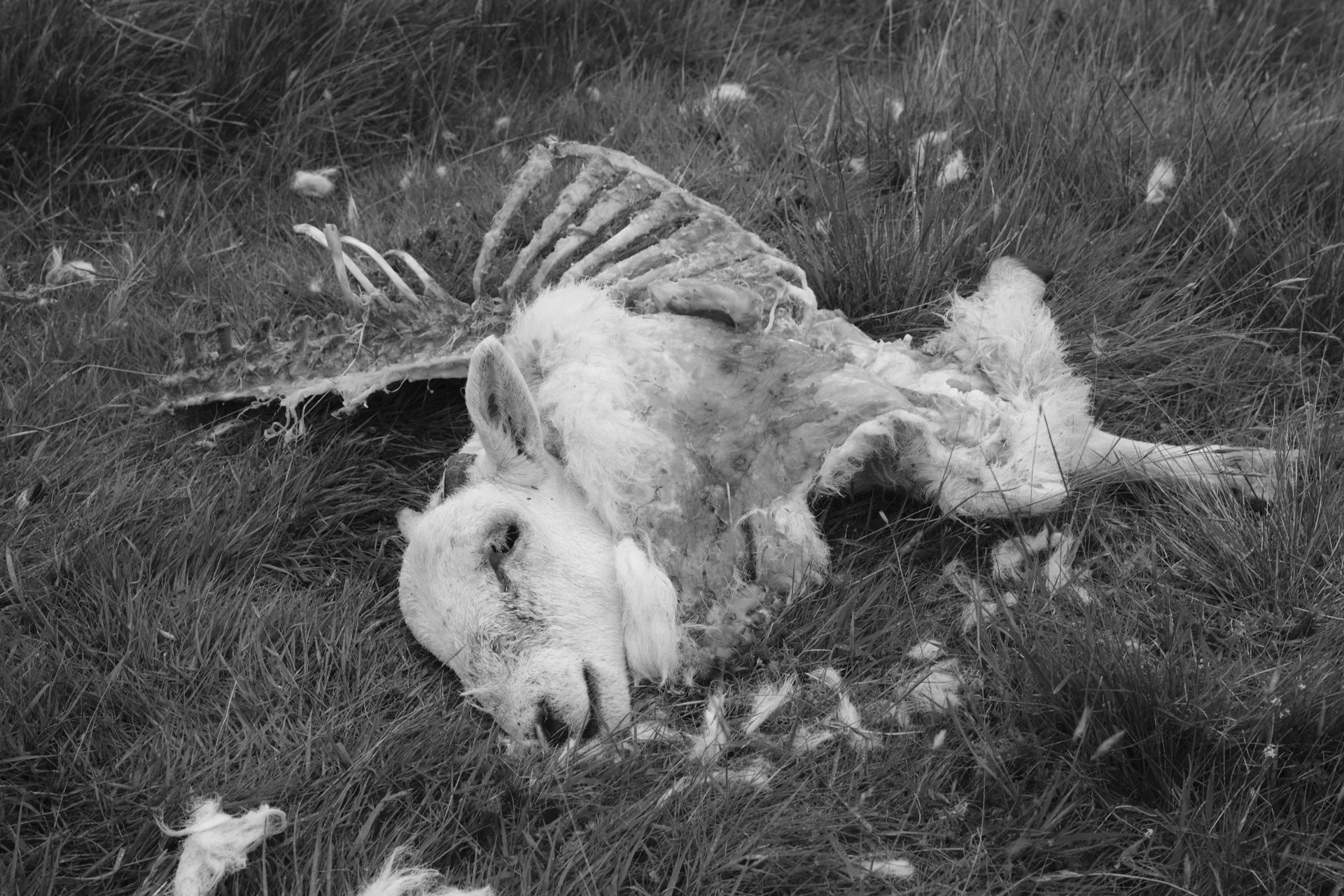
A post-human world doesn’t necessarily have to feature no life at all. Dartmoor’s key occupants are animals (sheep, ponies, cows, etc) and there is every possibility that they might outlast humankind’s destruction. I was aware of the life that existed on Dartmoor from previous shoots but I actively tried to avoid including animals in my shots due to branding marks on the ponies that suggested people were still around to do this and that they may take away from the grandeur of the landscape. The advantage of shooting here was that the ground was flat and there wasn’t much else to focus on that would suggest the area could be dangerous - until I came across something I hadn’t seen before.
Shooting with this in mind was initially an obstacle for me as I didn’t know how to portray the theme of dystopia through animals. However, in finding a dead sheep, I thought that documenting death was just as important as life because the world keeps turning, even without humans. Birth, life and death continues whatever and I wanted to bring a sense of normalcy and realism into the image making. There is also the fear factor as previously described in finding an animal that had been completely torn apart. On a look at the sweeping, traditional landscape shots it would be easy to assume that this part of the dystopia was unimposing, yet when looking in detail we are put back on edge that something might be ready to attack at any point. The animals also give you the sense that you are being watched. Of course they are just curious in reality but a theme of dystopia is constant monitoring of the everyday person. This is something that is especially prominent in 1984 from “Big Brother” which monitors people’s every move. When the animals turn to you it’s as if you have to act like you are abiding by their rules as you’re in their territory.
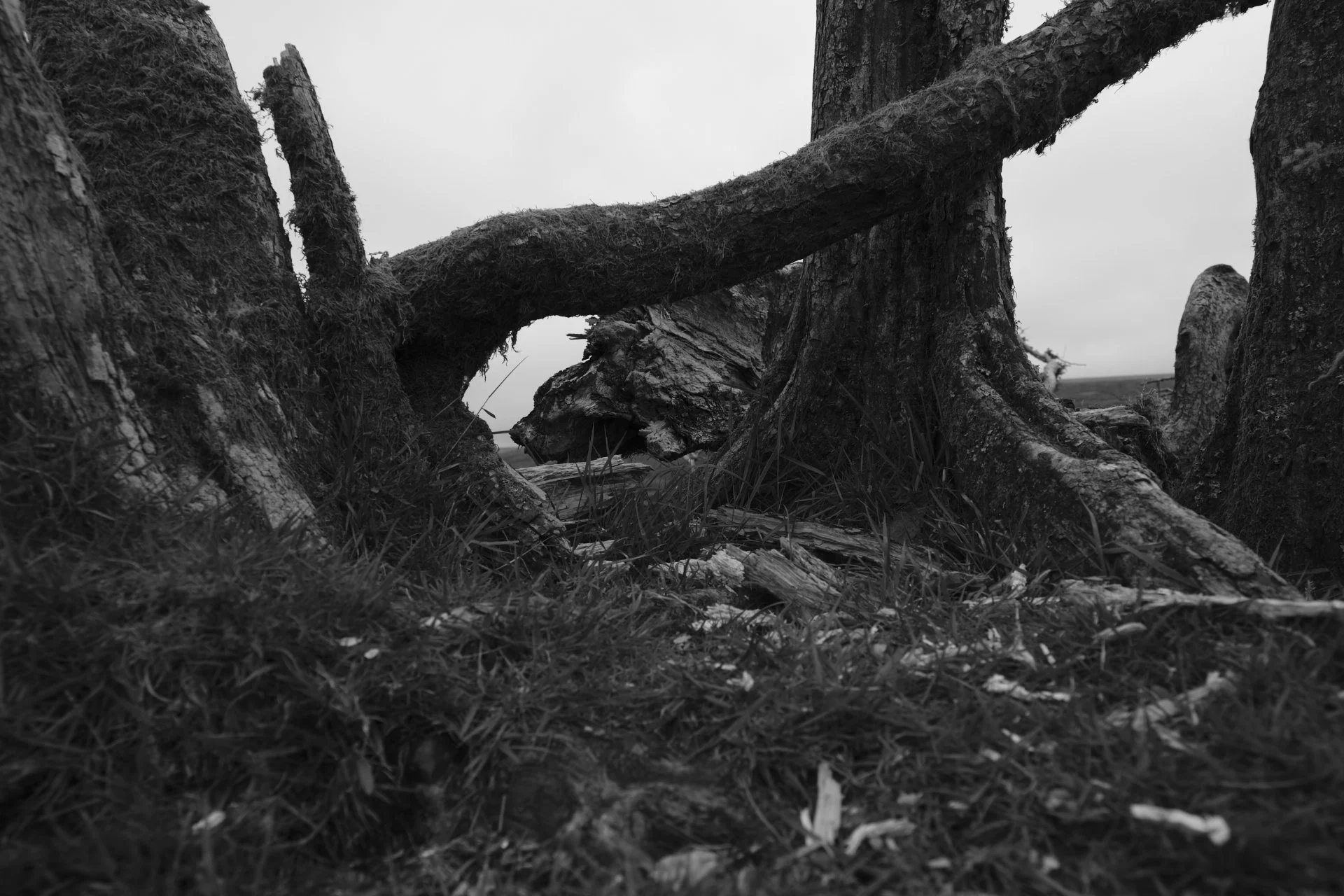
A popular theme in dystopian fiction is showing the fear aspect of the world, which makes sense in theory. They are worlds where a horrible existence is lived by its occupants and portraying misery without any people in shot provided a tricky challenge. I was aware that Dartmoor often gets misty early in the morning and late at night. This is sometimes difficult to plan around though as it can depend on the weather on the day and the time of year. I decided spontaneously to do the shoot just after a thunderstorm in the hope that the conditions weren’t perfect and the sun would not come out again but this was always going to be a risk given that the light was lingering longer in the evenings around Summer. By keeping my ISO and shutter speed consistent and just experimenting with the aperture, I was able to play with focusing on key interesting points. These came in the form of twisted trees, views that were abruptly ended by the mist, and road signs on seemingly empty roads. The road signs were evidence of what once was and the empty road was evidence of mankind’s demise as no cars were present. Either everyone escaped before the “wanderer” or they didn’t get out at all - we can only speculate, but the beauty of the images is that it isn’t answered for you. The point of the work is to make you as an audience constantly question what is going on and everyone’s conclusions might be different. That’s also OK as different people’s life experiences will lead to different interpretations of the work.
A key objective at this stage of the project was to introduce a new element that hadn’t been seen yet in Dystopia. I could easily fall into the trap of traditional landscape and documentary photography that was in focus, perfect, and so-called “normal” shots of the world but I felt like I needed to break up the story with some unusual and outside the norm photography. I therefore opted to shoot out of the car window as we were on the move. Keeping the shutter speed low and the camera steady, I was able to capture parts of the landscape whilst on the move rather than stationary. From a technical standpoint, there is not much value in blurry photography, but here it absolutely makes sense. The “wanderer” could be injured and bleeding out which could easily have this effect or they could be driving themselves with the world passing them by. However it wants to be interpreted, there is no denying that there is something sinister about this approach, especially when there is something outside the usual terrain included in shot such as a tree or an animal.
14. Revisit of Yes Tor
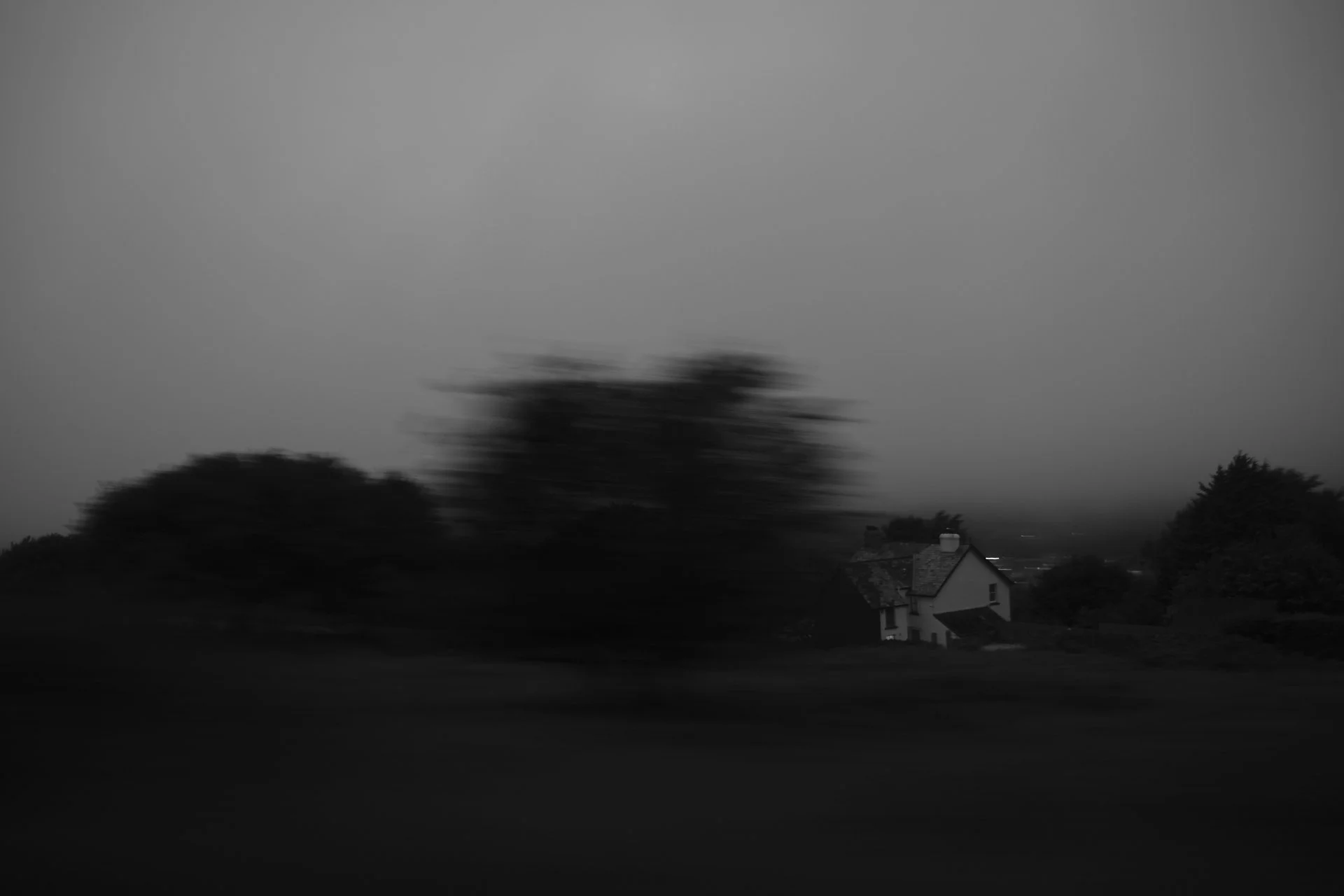
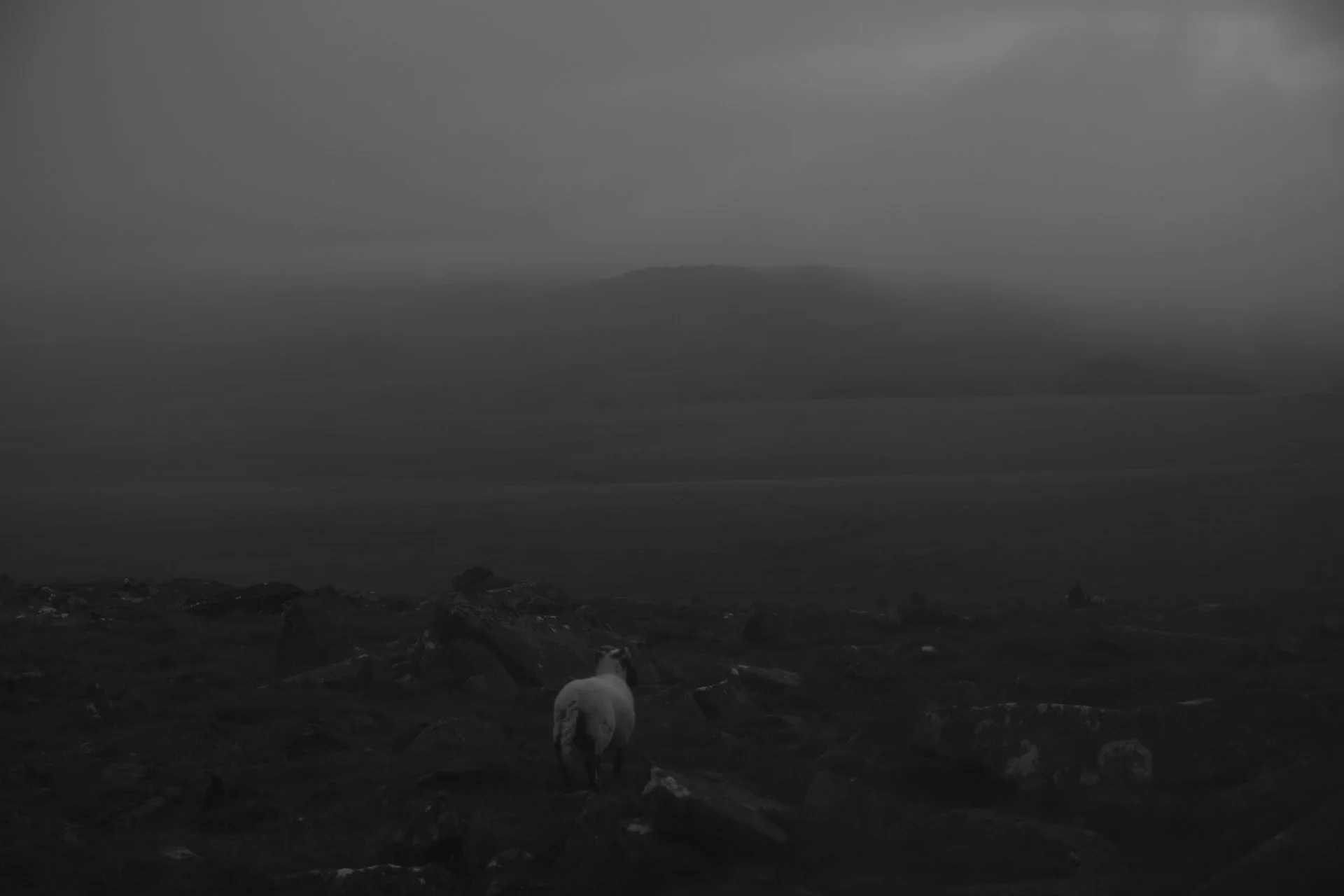
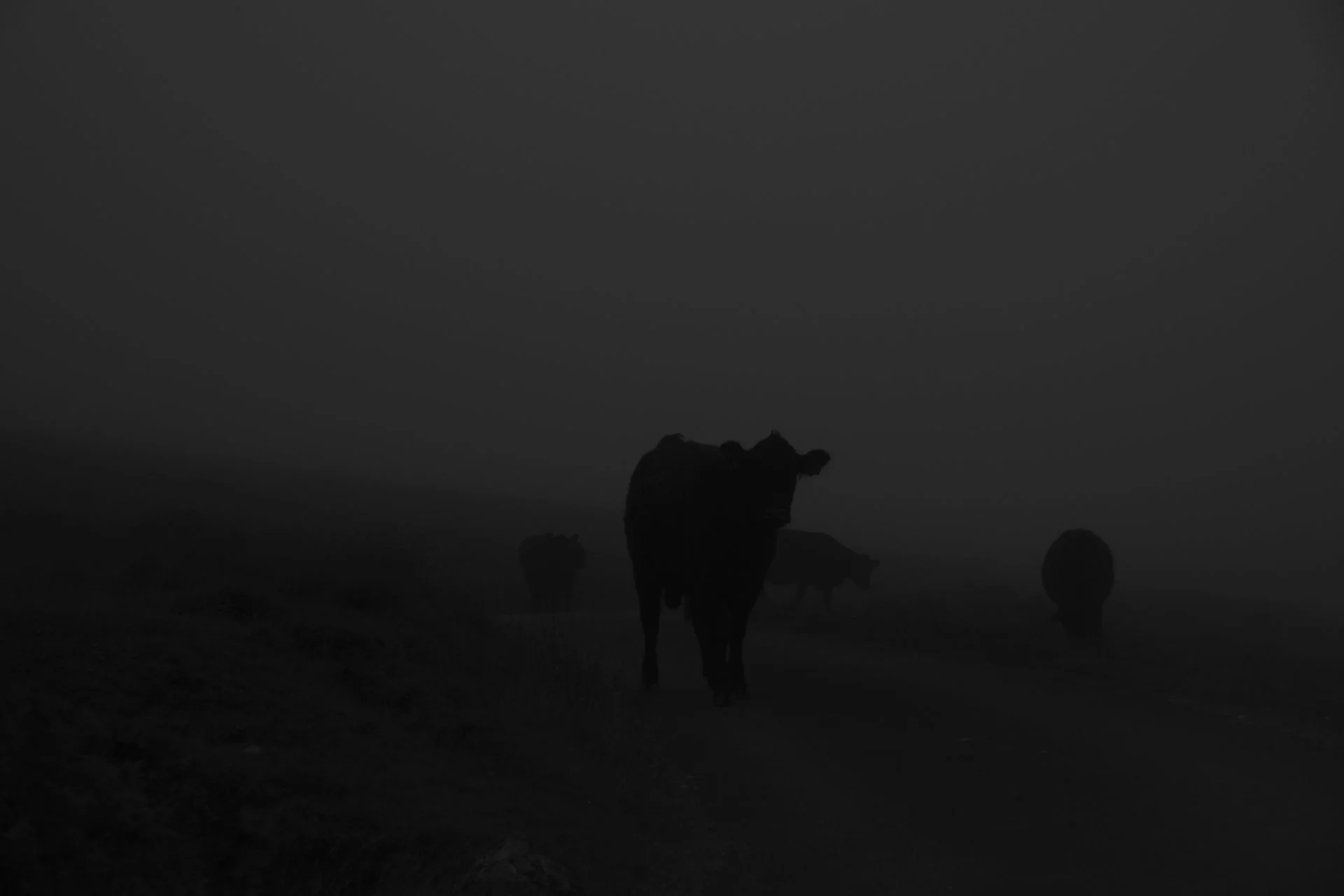
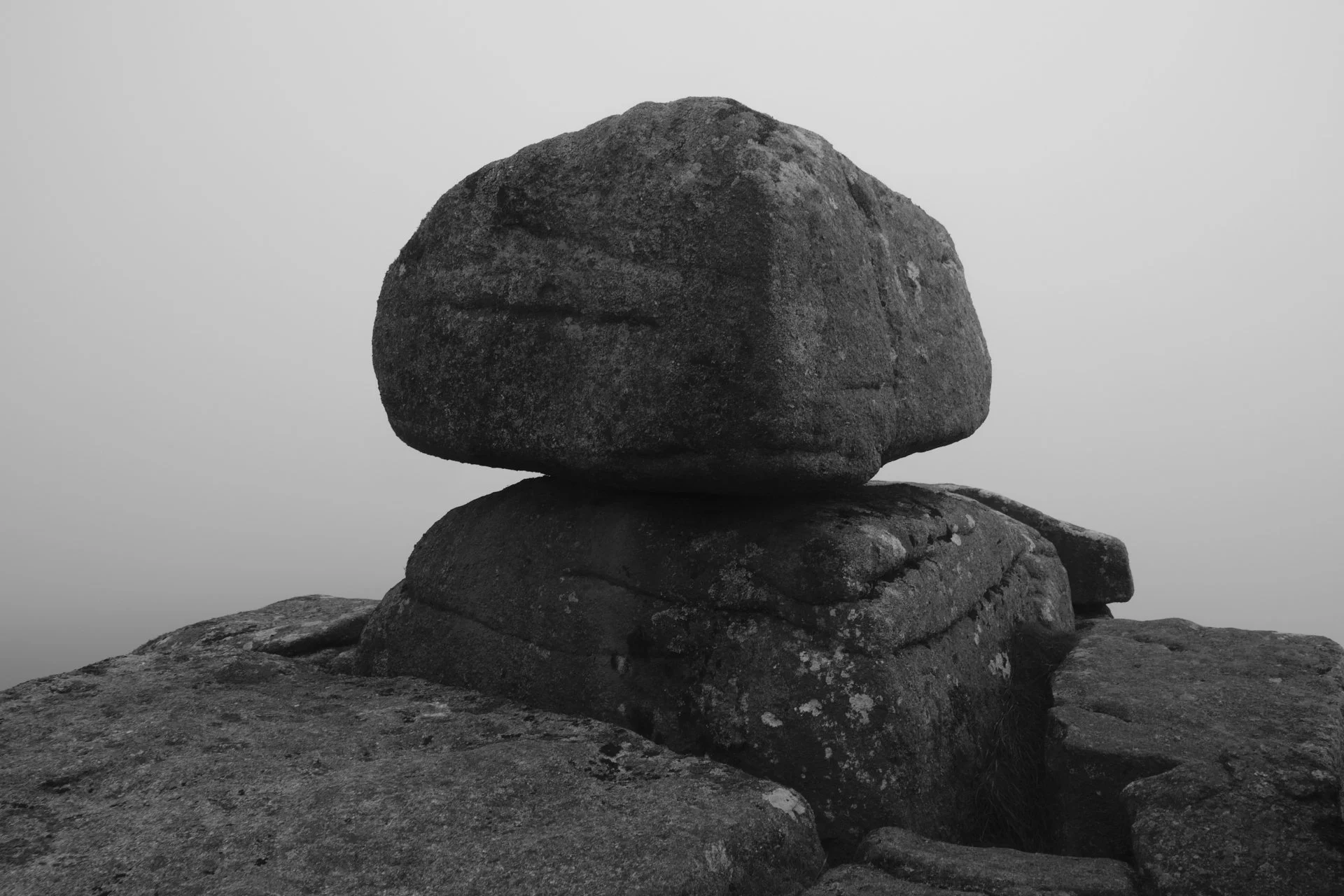
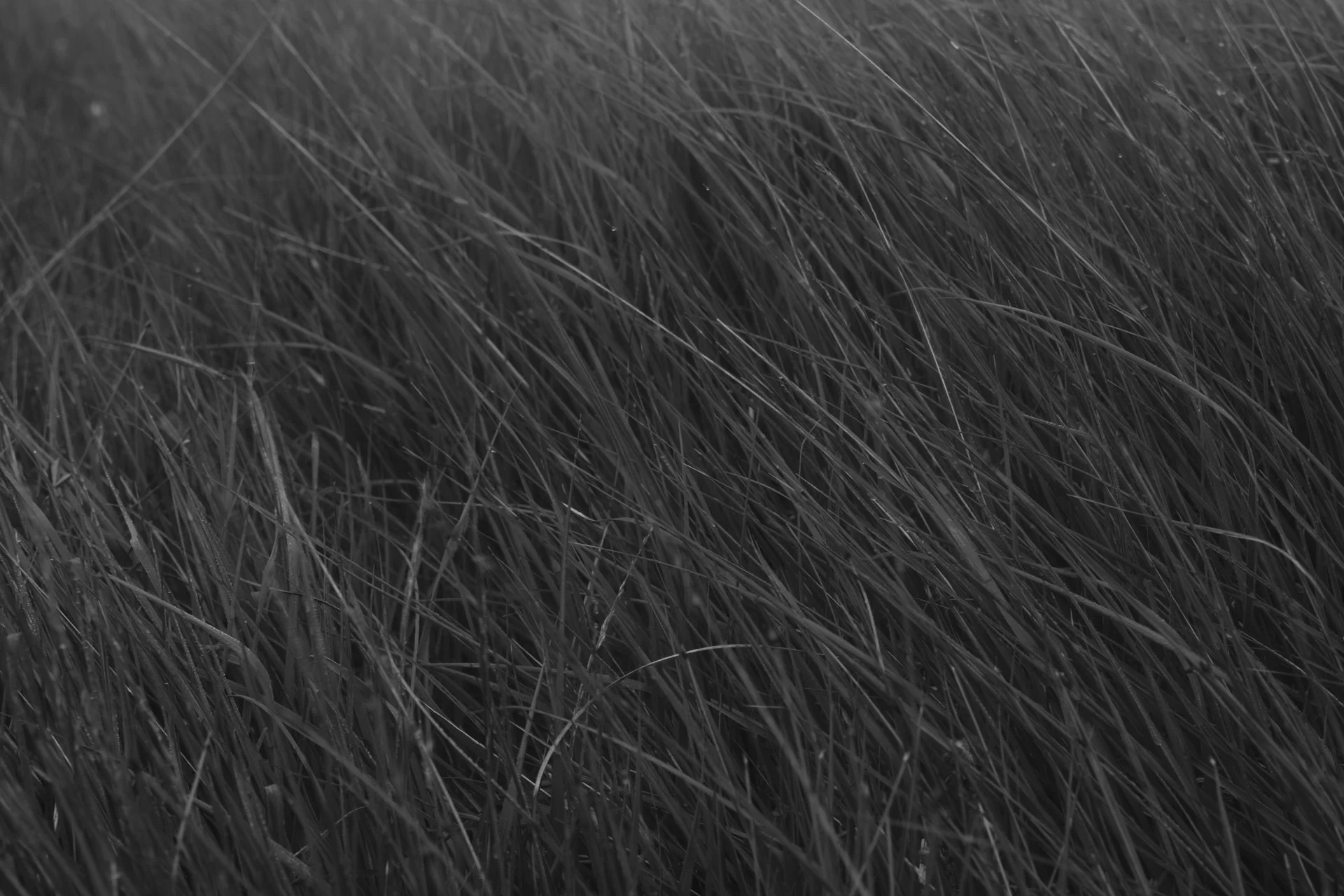

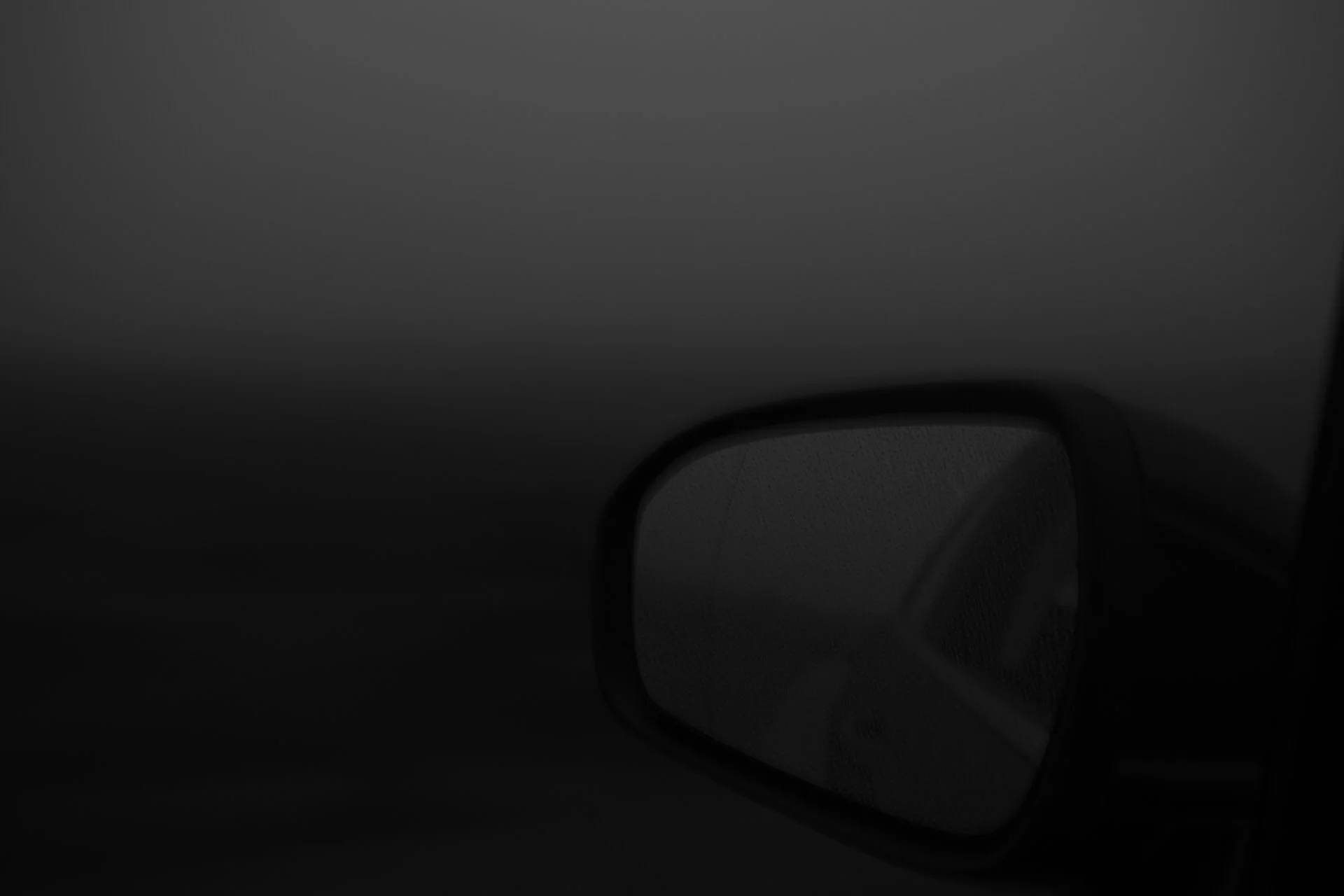
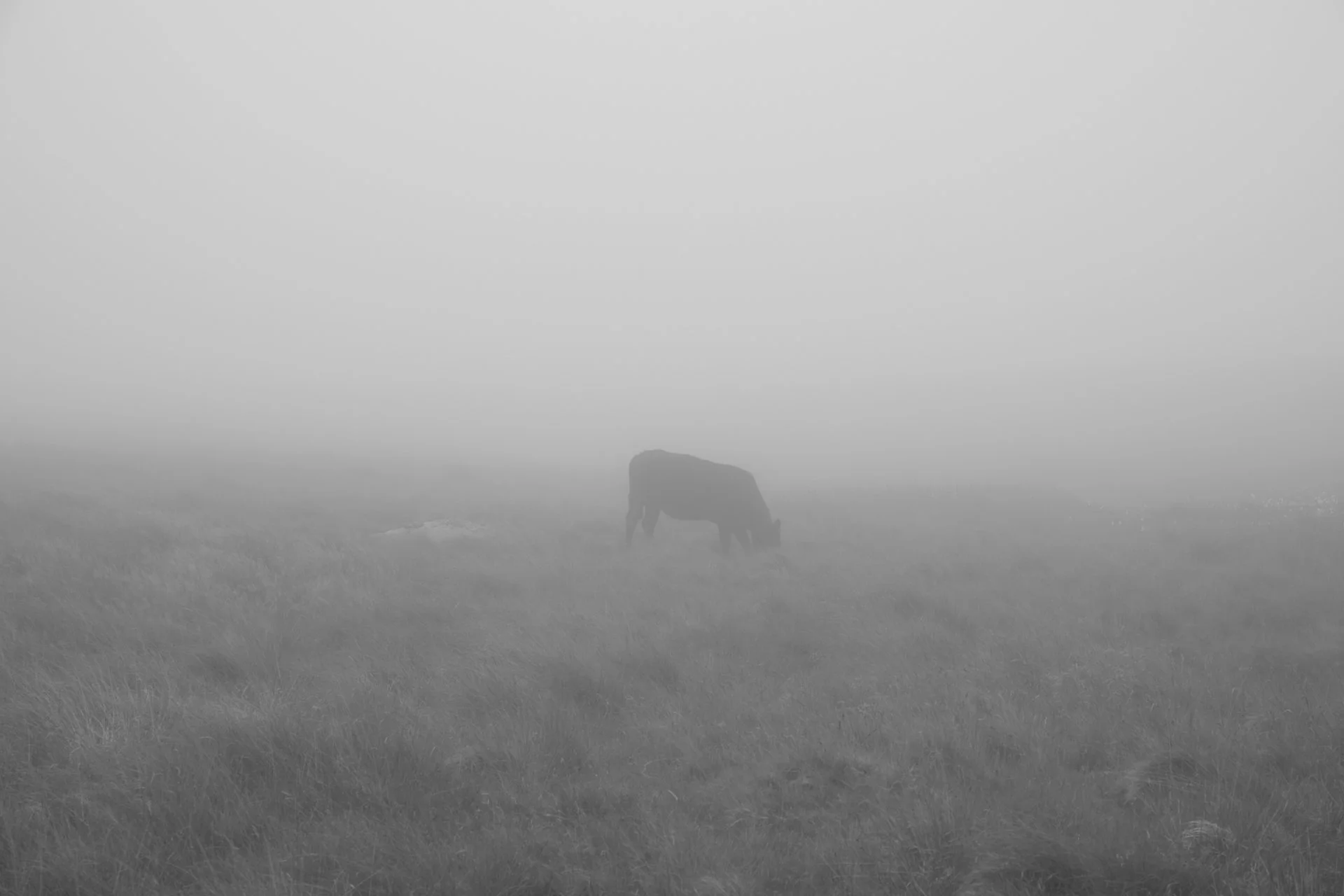
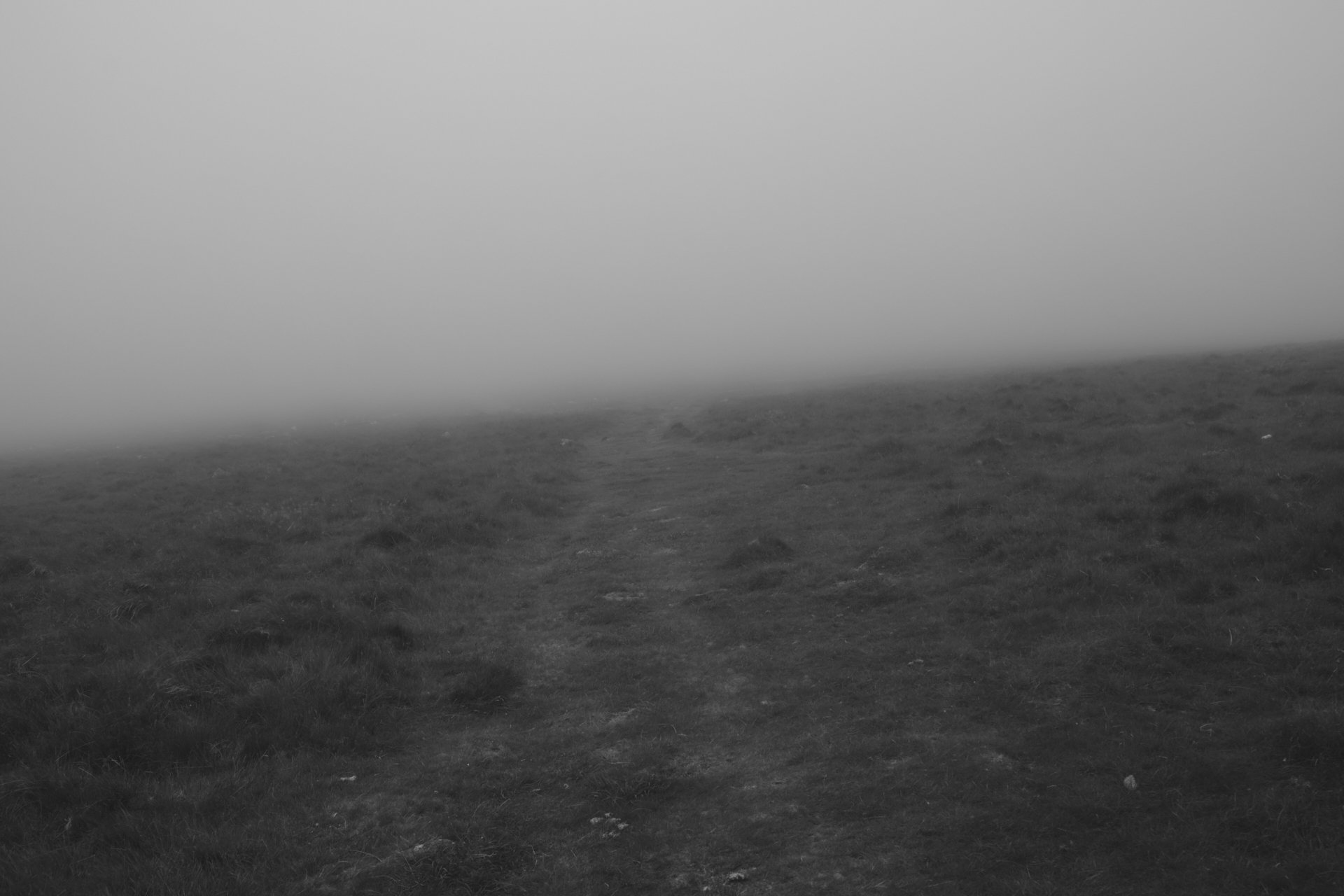
I committed to making this the final shoot of Phase 1 because I have a lot of content from the original shoot so adding images that fitted with the rest of my photography but was shot in a different way was the primary objective. I visited the surrounding area of Higher Willhays but opted not to climb it and shot around it instead due to time restraints. This shoot started at around the same time as the Princetown shoot but I finished later as I wanted to see what impact the night would have on my imagery.
Whenever I’ve been on a photoshoot before I have shot the scene and the life in shot has just been there. I haven’t approached it with much consideration for animals around me as the landscape and the environment has been the primary focus. I decided this time to use the animals as framing devices and experiment with having them in different parts of the frame. Just having them in the centre draws primary attention to them, which worked for some shots where the landscape appeared barren. However, it made more sense to position them elsewhere with the landscapes that were a little bit more complex as they still contributed to the significance of the environment in relation to the idea of dystopia but they were secondary in importance for content of the imagery. This is because the animals haven’t been deformed and haven’t been affected by the dystopia whereas the landscape might have evolved as a consequence. A sheep still looks like a sheep despite whatever has happened but a rock might have moved or changed shape, as an example.
It’s difficult to find something to focus on in a landscape with seemingly nothing. Is this way of thinking damaging to my creative process though? The atmosphere itself seems enough in these kind of situations to create a story of isolation and depression. The terrain tells a story of hardship and struggle. I may have been isolating these aspects of storytelling to this point, the type where you don’t have to think technically and can just passively document the environment.
Playing with lower camera angles was a new thing for me here. I focused on the wider landscape and how it presents absolute nothingness but I also focused on minuscule things as well such as the tiniest blade of grass and the endless rocks on the ground. These detailed shots can be used as tools to break up the main story of a wider world and hone in on the finer details of the land reclaiming itself from human occupation. The natural world is presented as something that is healing and this is made possible by the lack of mankind destroying it to suit their own purpose. The macro photography shows the world slowly returning to its state before our arrival which doesn’t have to be a bad thing. The “wanderer” isn’t able to appreciate this beauty due to all they’ve lost and how they’re feeling though.
This is also the first shoot where I genuinely got lost! I wandered beyond the car park and couldn’t find my way back for 45 minutes. With no signal where I was, I finally grasped an understanding how the “wanderer” must feel. Panic immediately set in and fear that something bad was going to happen. There were a lot of cows in the area that can be incredibly unpredictable if approached and there was no way of telling where one was without walking directly into the mist. Putting myself in this state of mind contributed to the quality of the images I was able to produce.
Blur through movement is one of the unique processes of photography and is something which can’t be seen without a camera. Although the results are quite unpredictable as you can’t physically see blur with the human eye, it can create interesting narratives. The twisted nature of the landscape provided a fear mongering setting, one that had to be navigated through with speed and caution, so as not to be trapped like the trees and animals passing by appeared to be. Even though I was using similar camera settings as I used for my static in focus shots, I was on the move so the camera wasn’t able to focus fully on one specific area. In order to get a blurred representation of moving through the landscape I concluded that I would need to change my camera settings to do this. To create a blurred effect up to now I have shot in a traditional and stubborn way with lots of movement. I have kept my shutter speed high and moved my camera quickly by running or scanning the terrain with my camera in the car. This time though I decided to lower my shutter speed so that the shutter stayed open for longer and use smaller movements to capture the blur of the world around me.
I started doing this when I was trekking back down the small mountain I’d climbed. Focusing on rocks and animals, when I pressed the shutter I moved my camera minimally an inch or so to either side at a shutter speed of 1.3 seconds. This created a sort of double exposure blurred shot of the environment, which was different but successful. This was the most unique approach to Dystopia I have done yet and it worked out because it looks like two worlds colliding into one universe. It could be seen as the world the “wanderer” sees and the reality that they want to see but the world through their eyes is much more dominant.
