Cognitive Behavioural Therapy Made Everything Worse - But It Did Provide A Dystopian Perspective
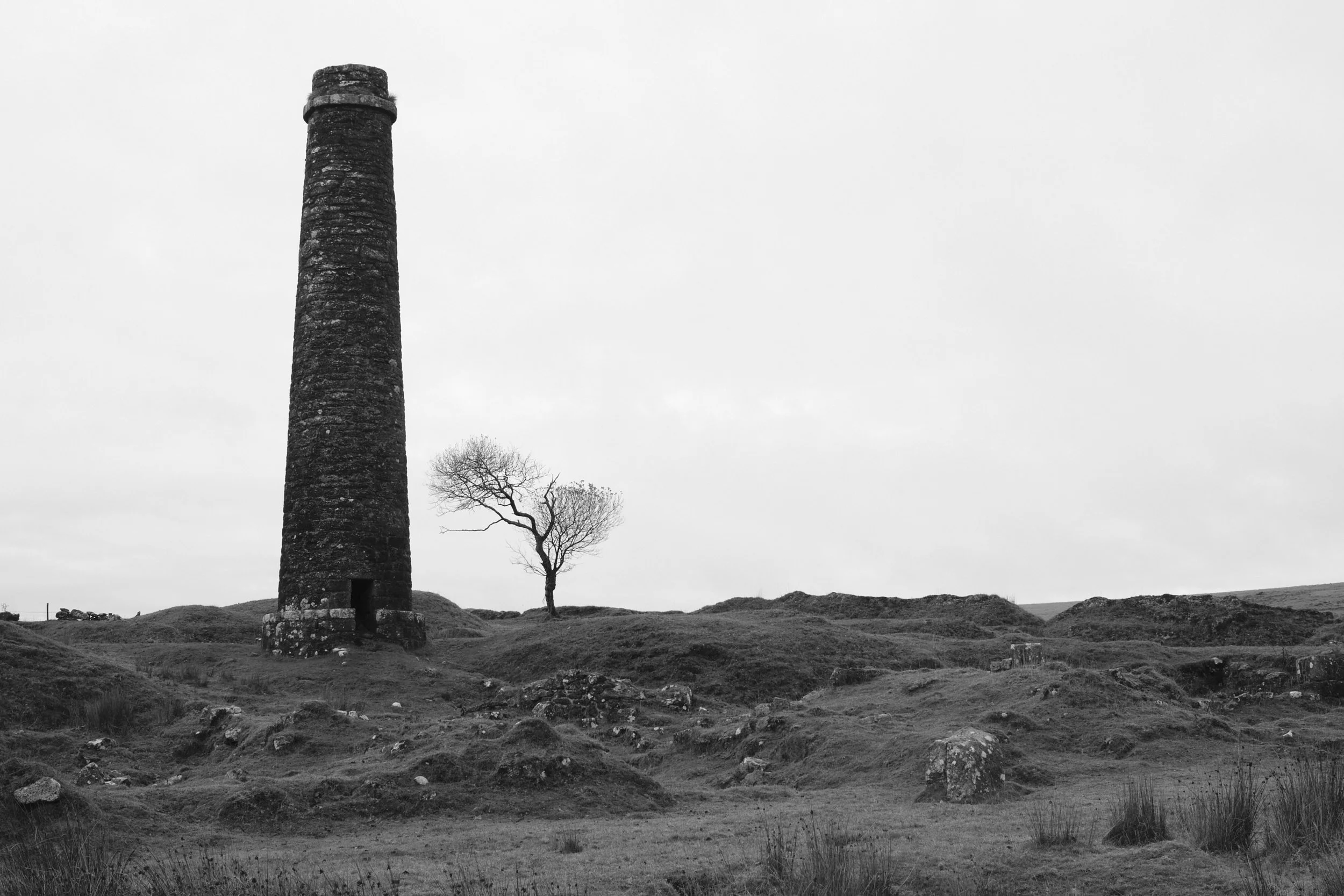
The Powder Mills at Arch Tor, Dystopia. 2024
In 2024 my life was at a complete low. I didn’t want to be around and I was inching closer and closer to suicide again. What was different to other attempts though was my willingness to try therapy. I got to the front of the never ending NHS waiting list and was placed into CBT - big mistake.
The experience was nothing short of shambolic. I was given a trainee therapist which was agreed and absolutely fine at the start. However, that person failed to follow up on anything they said they would do for me (resources, support groups, etc.) and the therapy itself felt like I was pushing my emotions further down inside myself. I needed to combat head on what was happening and what I was feeling and this form of therapy just felt wrong. I understand why people go to CBT and how it can help others in a similar position. It just wasn’t for me.
What it did do though is prove to me though is giving me clarity on how the diseased mind thinks. CBT called it ‘unhelpful thinking habits’, otherwise known as ‘black and white thinking’. This is where we think in absolutes and the world can only be perceived as good or bad - there is no inbetween, there is no opportunity. Just light or dark. Sadly, a person with mental health illnesses tends to only see the darkness.
When we feel low we often have unhelpful or negative thoughts. These are automatic and can be hard to ignore. These thinking traps are distortions in our thinking, leading to thoughts that are exaggerated and excessively negative. In turn these negative thinking patterns can impact our physical sensation, behaviours and emotions which maintain our levels of depression or low mood. This level of black and white thinking leads to catastrophising, magnifying or exaggerating the constant negatives we feel. It made me think that there would be a way of doing this through photography, through the eyes of someone with long-term melancholy. Is the world they’re seeing catastrophised or an accurate representation?
These are some ‘Unhelpful Thinking Habits’ I picked up from CBT that might be useful touching on with my photography:
1. Critical Self - Putting ourselves down, self-criticism, blaming ourselves for events or situations that are not (totally) our responsibility.
2. Mountains and Molehills - Exaggerating the risk of danger, or the negatives. Minimising the odds of how things are most likely to turn out, or minimising positives.
3. Catastrophising - Imagining and believing that the worst possible thing can happen.
4. Judgements - Making evaluations or judgements about events, ourselves, others, or the world, rather than describing what we actually see and have evidence for.
5. Black and White Thinking - Believing that something or someone can be only good or bad, right or wrong, rather than anything in-between or ‘shades of grey’.
6. Emotional Reasoning - I feel bad so it must be bad. I feel anxious so I must be in danger.
7. Memories - Current situations and events can trigger upsetting memories, leading us to believe that the danger is here and now, rather than in the past, causing us distress right now.
