The Real Reason Stone Island Became a Cultural Phenomenon

Stone Island for The Casual Basement. 2024
Article by Professor Andrew Groves, via LinkedIn
Stone Island didn’t become a cultural force through runway shows, celebrity endorsements, or hype driven marketing. It became iconic because of its relentless focus on innovation, function, and an uncompromising sense of identity.
For many, Stone Island is inseperable from British football culture, but its roots run much deeper. From technical fabrics to terrace fashion, its influence has spanned subcultures, music, and contemporary luxury. But how did this Italian brand, once a niche technical outwear label, evolve into one of the most enduring symbols of masculinity, identity, and subcultural status?
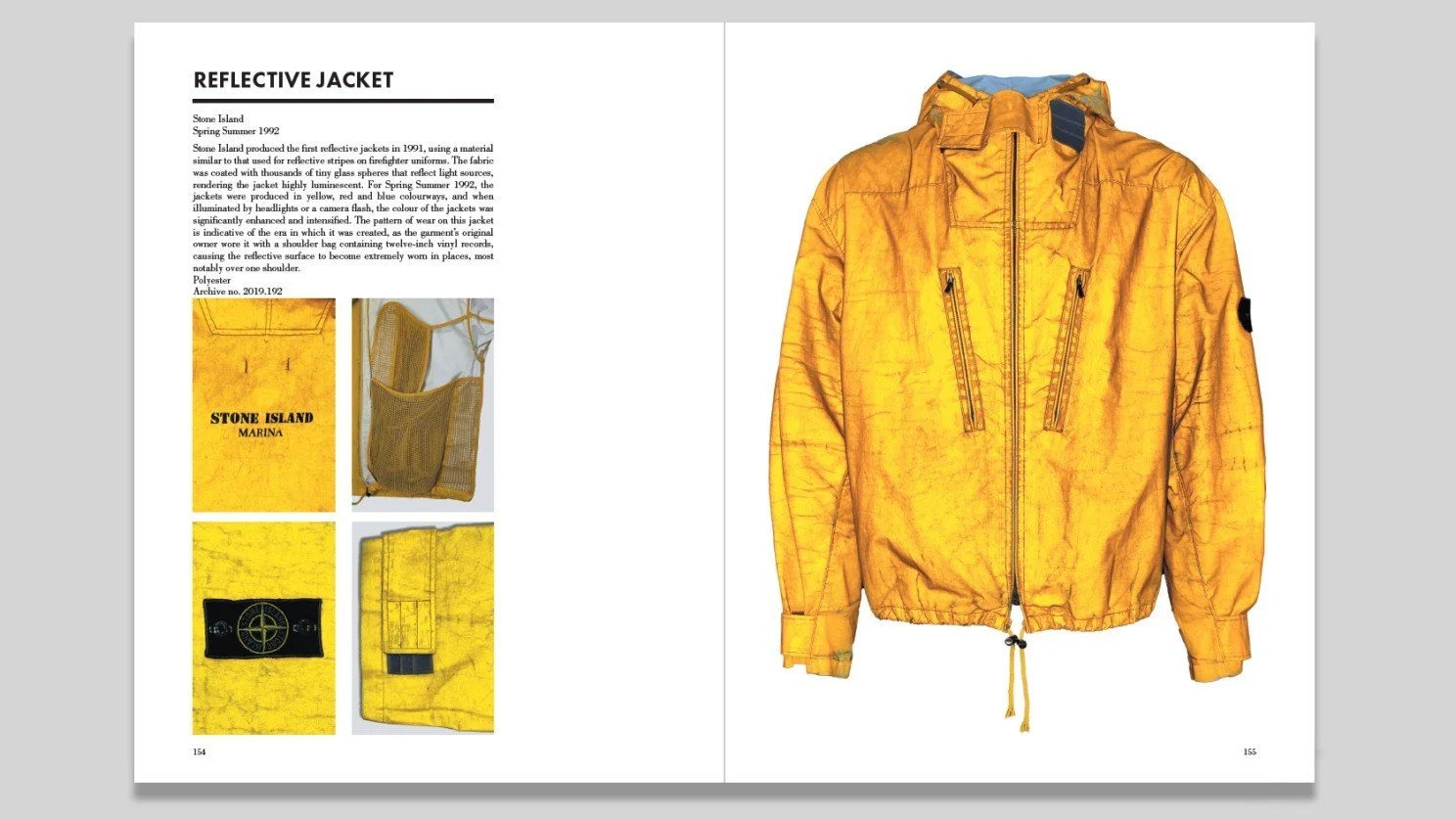
Reflective Jacket, Stone Island. 1992
The Grand Tour of Football Casuals
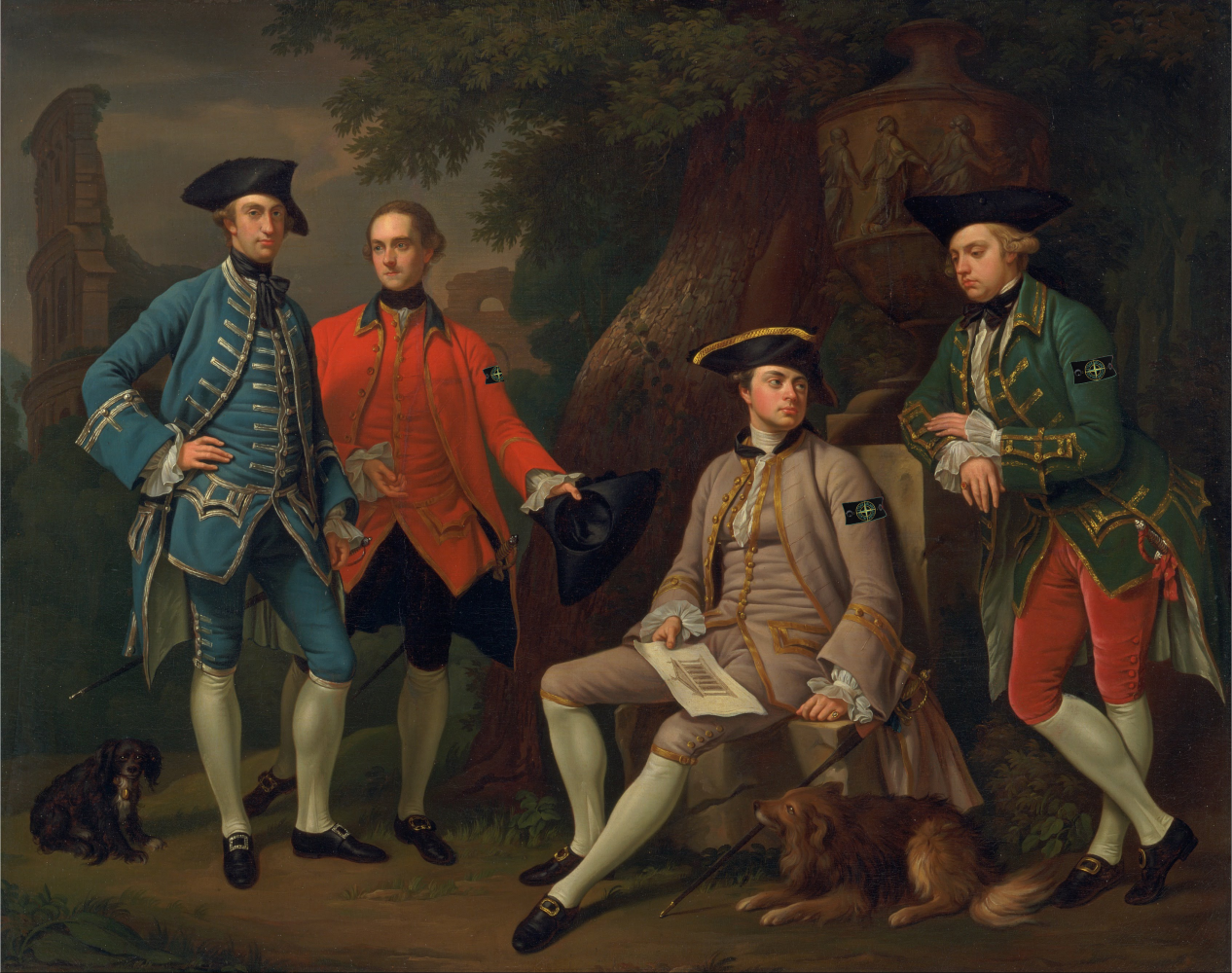
To understand why Stone Island became central to British menswear, we need to look at the football casuals of the 1980s. These were not just football fans; they were, in many ways, modern-day Grand Tourists. Instead of returning to Europe with art and antiquities, they brought back something far more personal - Italian menswear.
Stone Island wasn’t just a fashion statement; it was a symbol of cultural capital. Wearing it wasn’t about following trends, it was about belonging to an elite, knowing group. Casuals didn’t just buy clothes; they curated them, making specific brands like Stone Island and C.P. Company signifiers of status, taste, and a deeper understanding of style.
Innovation Over Hype: Massimo Osti’s Vision
Stone Island’s appeal wasn’t built on celebrity culture. It wasn’t about luxury for luxury’s sake. Its foundation was always on technical innovation.
Massimo Osti, the brand’s founder, wasn’t a fashion designer in the traditional sense. He was an engineer of garments, experimenting with fabrics that changed colour, reflected light, or had military-grade durability. Wearing a Stone Island jacket wasn’t about being fashionable, it was a statement about function, materiality, and technical design.
The Masculine Aesthetic: Military, Function, and Identity
Stone Island’s success is deeply tied to ideas of masculinity. Osti understood how military uniform functioned as a symbol of discipline, strength, and identity. His designs, with their detachable compass bridge, industrial fabrics, and utilitarian silhouettes, tapped into this visual language, offering men a way to embody these ideals.
By the 1980s, traditional masculine roles were eroding, mass unemployment and economic shifts meant fewer men wore uniforms for work. Instead, they found new ways to reclaim them. Stone Island became the modern uniform, replacing military identity with a new, self-defined masculinity.
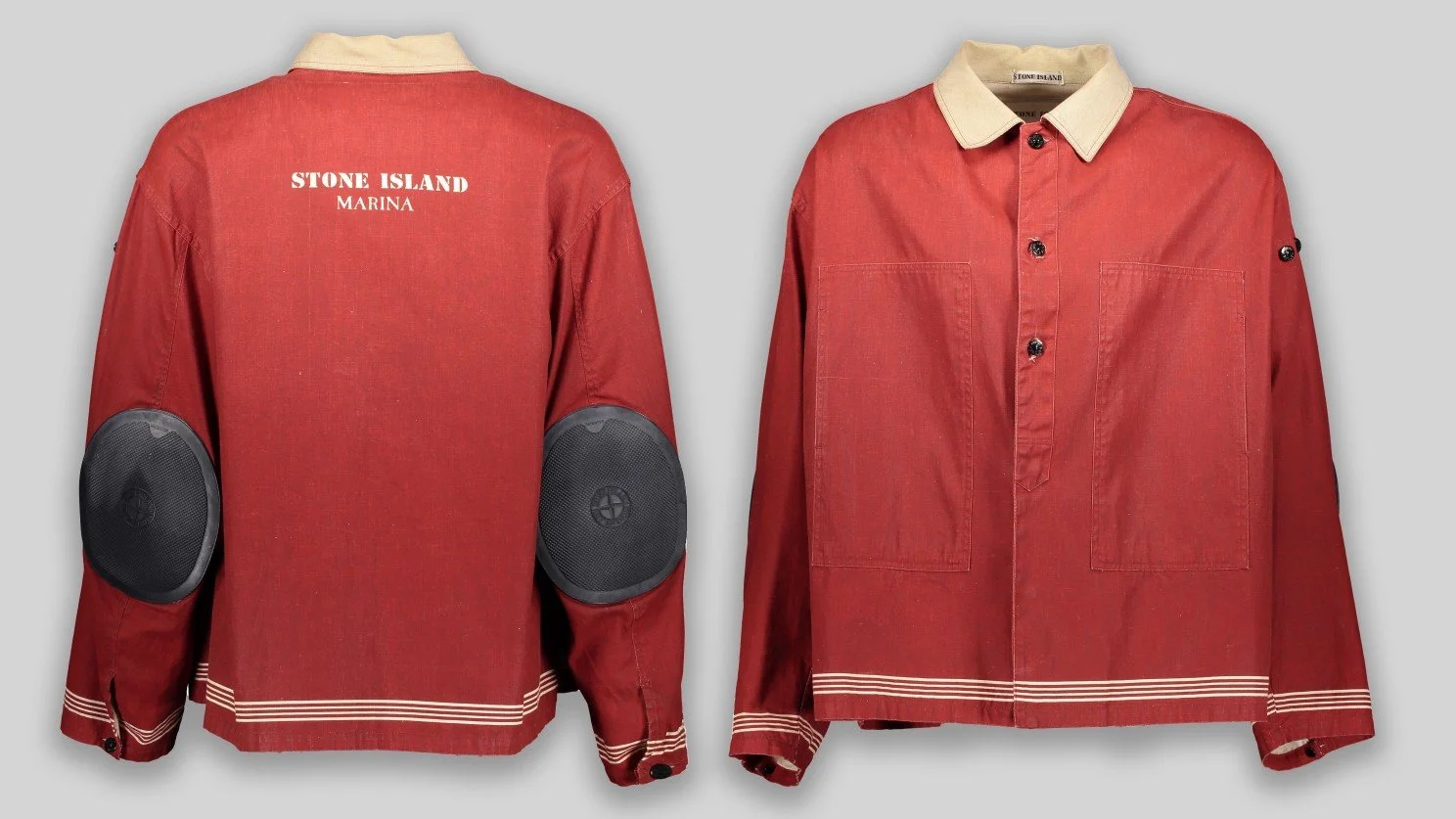
Jacket with Moulded Rubber Elbow Pads, Stone Island Marina. 1988
More Than Football: Music, Subculture, and Street Credibility
While the brand was first adopted on the terraces, it quickly found resonance far beyond football. By the 1990s, Stone Island had become an integral part of UK music culture, from garage to jungle to grime.
UK Garage & Jungle - Worn by artists and DJs as part of a wider terrace and aesthetic.
Grime Culture - Skepta, Dave, and other leading figures integrated Stone Island into their visual identity.
Hip-Hop & Luxury Crossover - Drake and A$AP Nast brought it into the high-end streetwear conversation.
Stone Island’s ability to move across subcultural lines while retaining its authenticity is what made it so enduring.
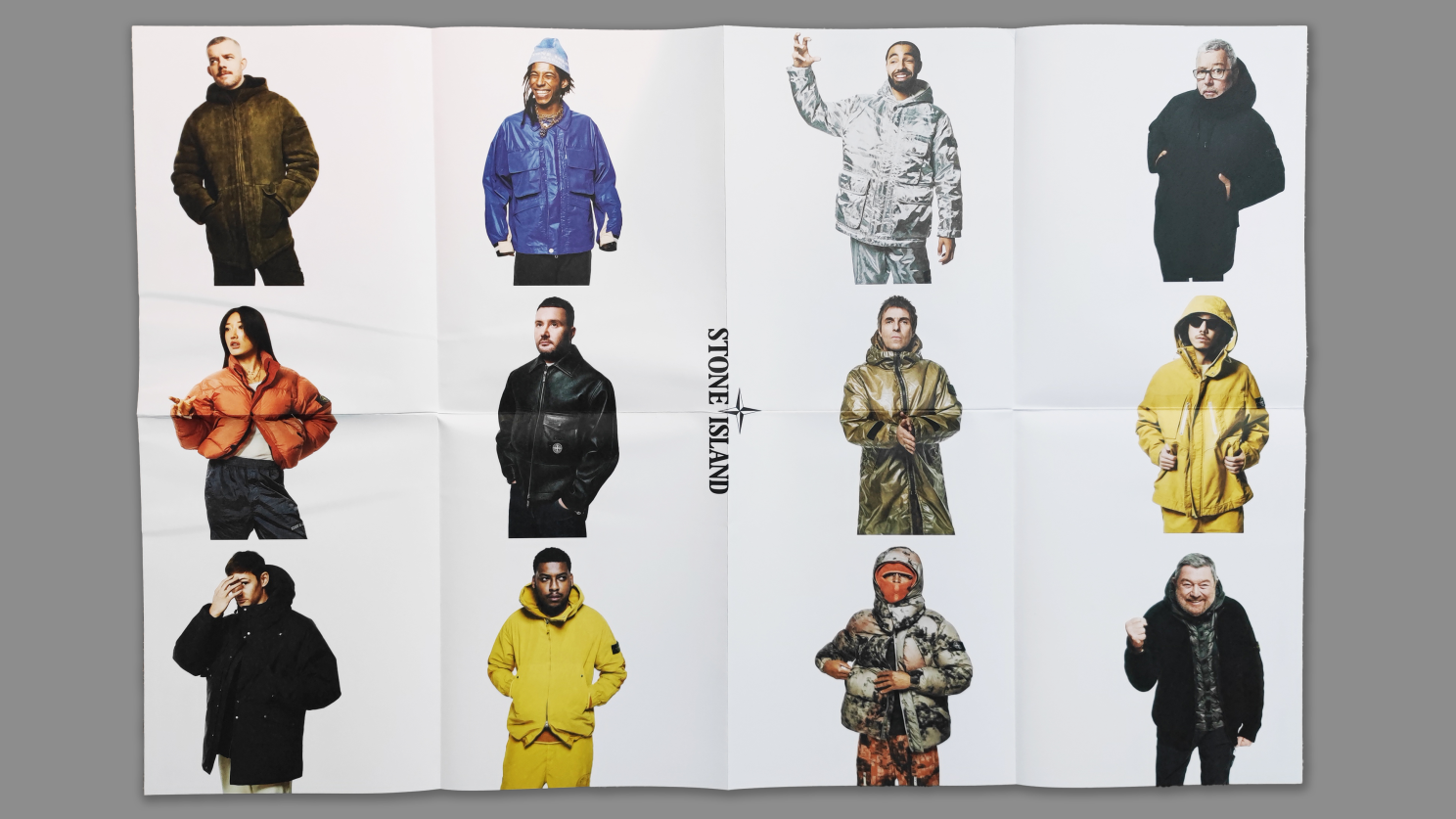
Stone Island Advertising Campaign. 2024
The Moncler Era: Has Stone Island Changed?
In 2020, Moncler acquired Stone Island, a move that signalled a shift in its identity. The question now is: can it remain true to its roots, or has it entered a new era of luxury positioning?
Some argue that Stone Island’s exclusivity, once built on word-of-mouth knowledge and niche appreciation, is now being diluted. Others see its move into the luxury market as a natural evolution, similar to how brands like Prada, Balenciaga, and Louis Vuitton have adapted to new audiences.
The real question is whether its core audience, those who wore it before it was mainstream, will continue to embrace it.
