Laying the Foundations with Robert Darch: The Moor & Meldon Viaduct
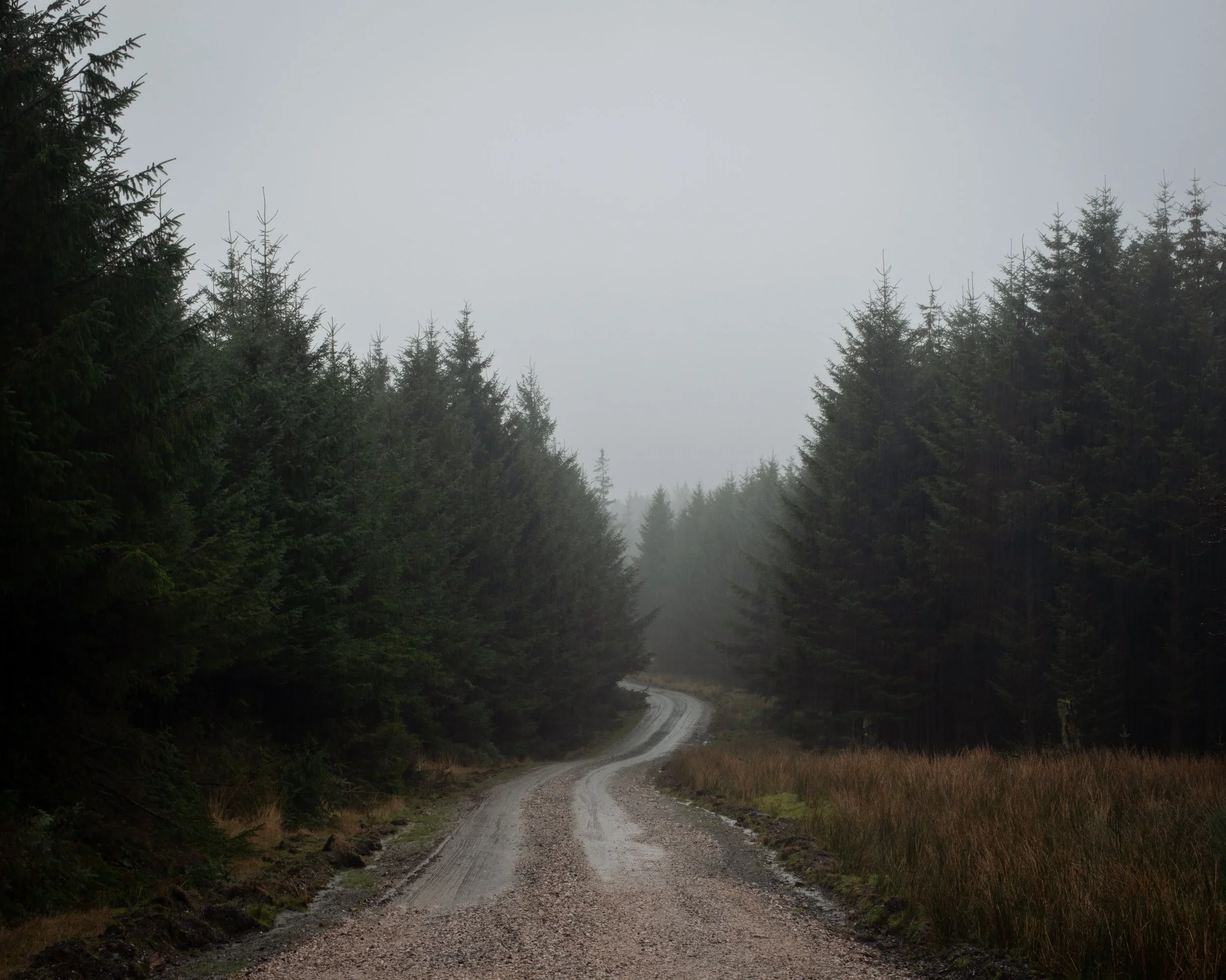
From The Moor (2018)
“The notion of something ‘unseen’ is readily apparent and a force that isn’t overtly visible to the audience haunts the inhabitants.”
Robert Darch has been a massive influence on my photographic practice. His storytelling ability through a combination of landscape, documentary, and portrait photography is unique to such a point where I based my initial idea for my Masters on one of his photobooks.
The Moor depicts a fictionalised dystopian future set on the bleak moorland landscapes of Dartmoor. The realisation of this dystopian future is specifically in response to the uncertainty of life in the modern world and a growing disengagement with humanitarian ideals. It shows how our continued backward way of thinking as a species is ultimately contributing to our downfall, leading us to retreat into the shadows and regress back to our original state before societal evolution ruled.
It portrays an eerie world that shifts between large open areas, dark forests, makeshift dwellings, and isolated figures. I was inspired how the narrative of such a wide variety of imagery is able to come together and form a concise story of isolation and tension. Adapting the idea of dystopia to suit my interpretation without it being a direct copy of Darch’s work was of utmost importance to me so I decided to speak to him regarding photography in general and his approach to photographing a landscape.
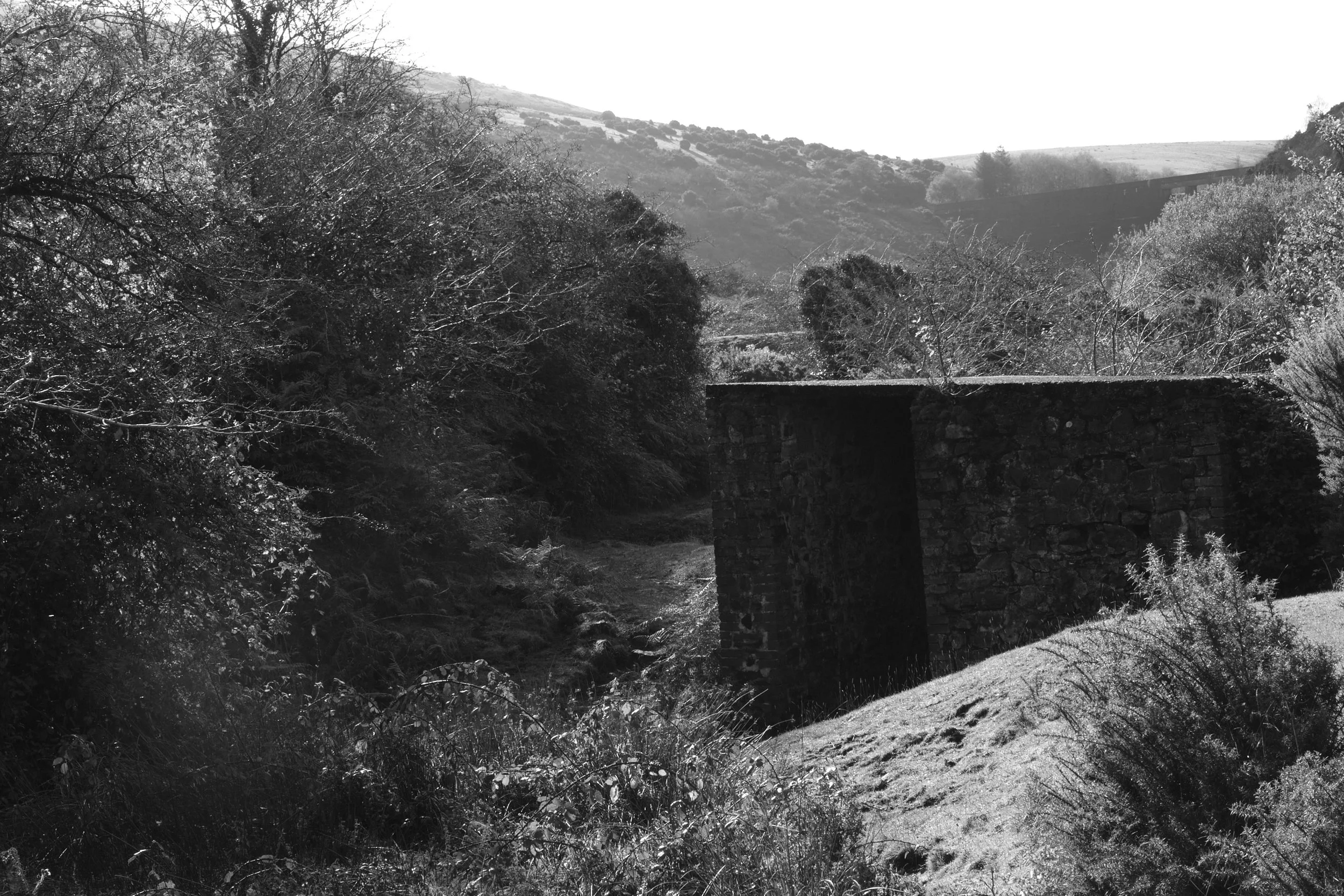
RAMM Walk with Robert Darch, Meldon Viaduct (2024)
RAMM Exeter advertised a walking workshop with Robert Darch at Meldon Viaduct as part of a small group of people so I took the opportunity to sign up and attend. My thought process with this was to gain some useful information regarding the project and to speak to Darch regarding the direction he believed it should take. I was also fresh off winning the 2024 AOP Student Awards and had been sent a Fujifilm X-H2 as a prize, a camera that has been reliable and continues to be used today.
Darch suggested experimenting in Black & White for the walk. This made a lot of sense to me because I was a well versed colour photographer but had strayed away from this approach due to a lot of client briefs requiring colour images. It was a good decision as I felt the atmosphere and relation to mental health illnesses complimented the lack of colour well in the images.
When talking about a dystopia, he emphasised how its important to be reactionary. Whether that’s reacting to circumstances in the real world and relaying that onto Dartmoor or reacting to how the landscape before you makes you feel in that moment, Darch was keen to stress that planning is the killer of creativity. The more I plan what I’m going to do the less reactionary I’ll be. I struggled to comprehend walking into a photoshoot without a plan originally but as we progressed around the viaduct it started to make more sense. I had never visited this location so was completely in the dark about it yet I was able to get some fantastic shots down to my gut instinct in the moment of seeing something I respected and/or appreciated as being right in front of me, in the moment.
